Login

Select travel dates to see prices

Brilliant 4.72rating (254)

Marine Conservation and Research

location
4 - 12 weeks  ·  Age 18 - 50+
Verified

Highlights

  • Surveying the local reef system around the island
  • Conducting underwater surveys on the local marine life
  • Monitor coral reefs and better understand our marine environment

Highlights

  • Surveying the local reef system around the island
  • Conducting underwater surveys on the local marine life
  • Monitor coral reefs and better understand our marine environment
  • Data entry and analysis
  • Beach cleans to help protect marine life

  • You don't have to pay anything yet

    Especially good for

    Age 18+
    Singles
    Couples
    Groups
    50+

    About the program

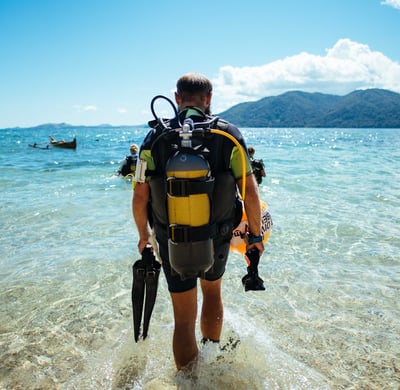
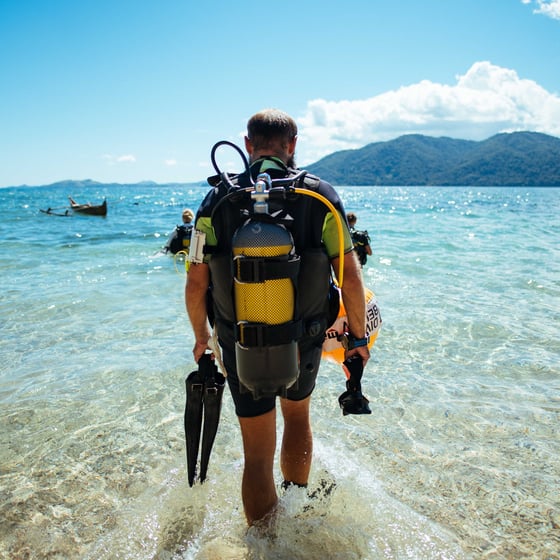
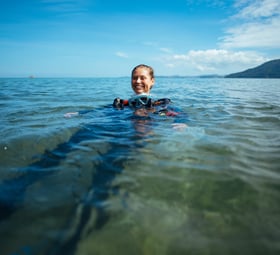
    Help protect the local marine eco system, turtles and other marine life, and the coral reef off the coast of the stunning island of Nosy Komba.

    Overview

    Help protect the local marine eco system, turtles and other marine life, and the coral reef off the coast of the stunning island of Nosy Komba.

    Training
    Volunteers undergo thorough training to equip them for research and data collection activities in our marine program. This training includes ...

    About the program

    Overview

    Help protect the local marine eco system, turtles and other marine life, and the coral reef off the coast of the stunning island of Nosy Komba.

    Training
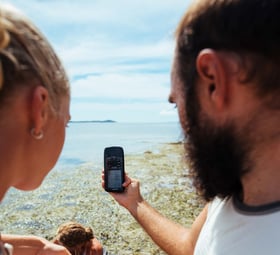
    Volunteers undergo thorough training to equip them for research and data collection activities in our marine program. This training includes the identification of marine wildlife and plants, such as turtles, fish, corals, invertebrates, and macroalgae surveys. You'll learn various transect surveying methodologies, a crucial skill in marine conservation used globally to monitor coral reefs and better understand our marine environment.

    *All marine program volunteers must be at least PADI AOW certified (or equivalent). See more further down.

    Volunteers are also required to bring the following items with them, as they are not available to purchase on the island:

    • Mask with tempered glass
    • Snorkel
    • Spare mouthpiece for regulators
    • Dive fins (open heels with booties are more comfortable for frequent use)
    • Rash guard or wetsuit (we recommend a shortie, 2-3mm)
    • Wriststrap compass (mandatory for PADI dive courses)
    • Logbook (mandatory for dive courses, physical or online version)
    • PADI E-learning (available to purchase online or from your local PADI dive store) or PADI Crew Pack (for Divemaster students)
    • Large dive slate for surveys (A4 size) - smaller sizes cannot be used for surveys
    • Pencils or graphite pens for diving

    Optional Items:

    • Regulator and BCD (highly encouraged)
    • Dive bag or dry bag for boat trips
    • Diving knife
    • Waterproof watch or dive computer (resistant to 200 meters, optional but highly recommended)
    • Donations of masks and wetsuits are very welcomed

    What will you be doing?

    Identification Dives: The best way to learn and for staff to assess your knowledge is by conducting 'practice surveys' after each presentation in your EMP course. Each lecture will be followed by a practice survey. The survey data will be compared between you and your instructor, and a debrief will be held after each dive to evaluate your progress and address any questions you may have.

    Dive Against Debris:  This project empowers divers to actively combat marine debris by participating in underwater clean-up dives and reporting the debris data collected. Your involvement directly supports critical conservation initiatives, providing valuable information for marine researchers and policymakers. As a Dive Against Debris Diver, you play a vital role in tackling the global issue of marine debris and advancing the PADI Blueprint for Ocean Action.

    Coral Watch: This project is part of a worldwide initiative to monitor coral health and raise awareness about the effects of climate change on coral reefs. By joining, you'll gain hands-on experience in gathering scientific data on coral bleaching using the Coral Health Chart. Your contributions will help increase public awareness of reef ecosystems and contribute to global coral conservation efforts.

    Species Tests: We require you to achieve a mark of 80% or higher on the computer tests. We suggest attempting the first tests by at least the end of your second week to assess your progress and identify areas needing improvement. These are not formal tests but rather assessments. After each practice survey, a post-dive briefing will recap what was observed and how you performed.

    Practical Surveys: Our MRCI dive staff will lead you through a series of practice surveys to help you become familiar and confident with the survey methodology and scientific diving techniques. After 3 to 4 practice surveys, you should be able to perform the surveys as accurately and efficiently as the staff, indicating you are ready to conduct surveys independently.

    Ecological & Monitoring Dives: Volunteers will assist with underwater surveys, data collection, and analysis, contributing to our ecology and monitoring efforts. You will help identify and record species, measure and track changes in population sizes, and document environmental parameters. Volunteers may also tag and monitor marine animals, collect samples for genetic analysis, and assist with data entry and analysis. All surveys are conducted during 40 to 50-minute dives, with a staff member leading the dive. We currently have three independent survey sites along the coast of Nosy Komba, each with a series of 20m line transects that are regularly surveyed.

    Dry Activities

    Data Entry and Analysis: With extensive scientific survey work being conducted underwater, we accumulate a significant amount of data and photos that need to be inputted and analysed. All volunteers assist with data entry on a rolling basis, and those willing and/or experienced in data handling undertake analysis.

    Beach Cleans and Village Cleans: Beach clean-ups and community awareness initiatives are vital in reducing the negative impact of plastic pollution on marine life. The significant tidal range around Nosy Komba offers an excellent opportunity for marine volunteers to clean the beaches and rocks at low tide, collecting marine litter.

    Artificial Reef Creation: This project focuses on building and improving artificial reefs to promote marine biodiversity and create new habitats for coral and other marine life. As a volunteer, your efforts are essential in constructing these reefs, which play a key role in supporting marine ecosystems. You will help design and build structures that replicate natural reefs, providing safe environments where marine organisms can flourish and regenerate. Your tasks will include hands-on activities such as assembling and placing reef structures in designated locations.

    Education Workshops and Community Work: All MRCI volunteers engage in workshops and classes for local schools in the neighbouring villages and universities. Volunteers plan forest and marine-oriented classes, along with fun scientific lectures or presentations, to engage with the locals, explain our mission, and help them understand how and why they should conserve their natural environment.

    IMPORTANT
    To participate in MRCI marine conservation survey work, you must be at least PADI AOW certified (or equivalent). Scientific survey work while diving requires accuracy and skill that can only be acquired through advanced dive training.

    If you do not have any training, you are able to complete the OW and AOW courses in Madagascar, paying the extra fee to the local team on arrival.

    You will need both…

    PADI Open Water (OW) Certification: If you are a new diver, you must purchase and complete your PADI Open Water E-Learning Theory before arriving in Madagascar. This allows you to start your practical dive training immediately. Internet is limited on Nosy Komba, making it difficult to complete E-learning once on camp.

    PADI Advanced Open Water (AOW) Certification: If you are already OW certified or completing your OW onsite in Madagascar, you must also purchase and complete your PADI Advanced Open Water E-learning Theory before arrival.

    If you are already AOW certified or above/equivalent, you can start participating in survey work and training for reef surveys as soon as you complete a PADI Scuba Review.

    Additional PADI Courses: You may also be able to purchase other PADI courses, such as Rescue Diver, Emergency First Response, and Dive Master training.

    Location

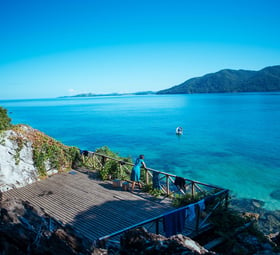
    Nosy Komba, a charming island off the northwest coast of Madagascar, is known for its lush greenery, stunning beaches, and vibrant coral reefs. Often referred to as "Lemur Island," it is home to a thriving population of lemurs that roam freely. The island’s picturesque villages are inhabited by friendly locals who practice traditional Malagasy crafts and fishing. Our location is fairly remote, being a 30 minute hike over rocky terrain or accessible by boat.

    Project Tasks

    • Underwater surveys
    • Data entry
    • Beach cleans
    • Community education
    • Coral watch

    Typical day

    Each program generally includes morning and afternoon activities. After dinner, we hold a briefing to discuss the activities for the following day.

    NOTE: The schedule may vary widely depending on the project, tides, and other factors for that day.

    Sample Schedule:

    • 06:00-08:00: Breakfast at the camp ...

    Typical day

    Each program generally includes morning and afternoon activities. After dinner, we hold a briefing to discuss the activities for the following day.

    NOTE: The schedule may vary widely depending on the project, tides, and other factors for that day.

    Sample Schedule:

    • 06:00-08:00: Breakfast at the camp prepared by our in-house cooks
    • 08:00-11:30: Morning activities on the project
    • 12:00: Lunch at the camp prepared by our in-house cooks
    • 13:30: Afternoon activities on the project
    • 16:00-17:00: Volunteer activities for the day usually conclude
    • 18:00: Dinner at the camp prepared by our in-house cooks
    • 18:45: Board briefing to review activities for the following day

    NOTE: There will be varying amounts of downtime during the listed morning and afternoon program activities depending on the day and project.


    Free-time activities

    Volunteers have weekends off and can explore various areas of Nosy Komba and the nearby islands during their free time. While volunteers must organize these trips independently, contact information from past volunteers is available at the camp, providing guidance on how to arrange excursions and ...

    Free-time activities

    Volunteers have weekends off and can explore various areas of Nosy Komba and the nearby islands during their free time. While volunteers must organize these trips independently, contact information from past volunteers is available at the camp, providing guidance on how to arrange excursions and whom to book through.

    Popular activities and destinations include:

    • Lokobe Forest Reserve
    • Discovery Scuba Dive (with MRCI)
    • Tanikely Natural Reserve
    • Visits to Nosy Iranja or Nosy Sakatia (for swimming and snorkeling)
    • Whale Shark Watching (seasonal from September to November)
    • Sacred Tree or Sacred Waterfall on Nosy Be
    • Hiking up Mount Passot on Nosy Be
    • Visiting Lemur Land Park on Nosy Be or the Lemur Park in Ampang Village on Nosy Komba
    • Ankarana National Park
    • Amber Mountain National Park
    • Plantations on the mainland in the city of Ambanja
    • The city of Diego Suarez

    Requirements

    Requirements

    Minimum Age: 18 years

    In order to join the program you need to be at least 18 years old on the program start date. There might be exemptions if you can provide the permission of your legal guardian(s) or if your are accompanied by your parents.

    Language Skills

    You need to speak English (basic level)

    Criminal Background Check

    required

    Required Documents

    PADI OW and Advanced Open Water (AOW) Certification

    Nationality Restrictions

    No restrictions. Helping hands from all over the world are welcome.

    Time Commitment

    Your helping hand will be required on Monday, Tuesday, Wednesday, Thursday and Friday

    What's Included

    What's Included

    On-site Services

    • Accommodation
    • 3 meals p/day weekdays / 2 meals p/day weekends
    • Arrival airport transfer (Sat/Sun arrivals)
    • 1 day orientation
    • Daily transportation to project
    • In country 24/7 support & emergency assistance
    • Fundraising support
    • University course credits (where applicable)
    • Certificate of Completion

    Airport Pickup at Fascene Airport

    You must arrive to Fascene Airport (NOS) airport before 12 noon, on the Sunday before your program, in order to go straight to the island. 

    The last boat departs from Nosy Be to Nosy Komba at approximately 3pm daily, so you need to arrive before 12pm to be able to go directly to camp.

    Volunteers arriving between 12 PM and 7 PM on Sunday will be transported from the airport to a hotel/accommodation of your choice in Hellville, but the overnight stay will be at your own cost. You will be able to meet the team at a nearby cafe in Nosy Be the next morning (Monday) and the team will escort you to the boat across to camp on Nosy Komba.

    If you are arriving before 12pm on Saturday, you can still get picked up from Nosy Be airport and be taken stright to the island but will need to pay an additional charge for the Saturday night accommodation.

    Accommodation

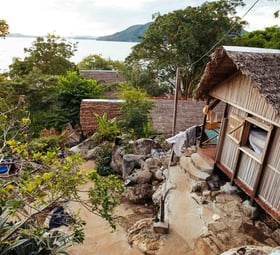
    The primary camp, is located on Nosy Komba Island, about 6 miles from Nosy Be, where the international airport is situated. Our facilities include a main house, staff accommodation, and a dining area, along with cold water showers and flush toilet units. You will stay in single gender open air huts, with two to three double bunks in each. Private room upgrades are also available for an additional cost (subject to availability).

    Every other week on the forest program, volunteers may conduct overnight guided walks in Lokobe Reserve. Accommodation is basic, with tented beach camps on the forest edge. Volunteers can upgrade at an additional cost to private tents with mattresses or private bungalows, subject to availability.

    Volunteers need to bring their own bedding (thin sheet), pillows, pillowcases, bath towels, mosquito nets, and a lightweight sleeping bag (this is suggested for the cooler months of June to August). Outside of these times you can get away with just a thin sheet as it is hot and humid in Madagascar. 

    Power for lights is supplied by solar panels, with a backup generator for the local team that runs 1-2 hours per week. The camp has limited power points available for charging devices and since there is no other electricity at camp, we recommend volunteers bring solar chargers for their devices and to minimise the use of electronic devices. The accommodation is accessible by boat or a 30-minute walk across rocky terrain from the village. WiFi can be found in the local village, and you can also purchase a local SIM card with data when you arrive in Madagascar. The main house accommodates senior staff and serves as a meeting place for volunteers during the day. Large decks line the front of the main house, complete with hammocks, bean bags, and benches. There is also a work area for volunteers, as well as lockable storage boxes available for each hut to store small valuables. Volunteers should bring a padlock to secure personal items in their luggage when not in use.

    Please conserve power and water as much as possible during your stay. This includes not leaving lights on unnecessarily, limiting showers to one per day, and turning off the water when not in direct use (e.g., while brushing teeth or lathering up in the shower).


    Private Room Upgrade: please contact us directly for options and pricing

    *Please note: Upgrade prices can change, so please check the price with us first

    Food & Beverages

    Volunteers are served three meals per day, prepared in the traditional Madagascan style by an on-site Malagasy cook.

    Meals are tasty but may be more basic than what you are used to, with rice served most meals. Breakfast ranges from pancakes to eggs or bread with condiments. Lunch is typically rice or pasta-based, while dinner is usually rice with beans and a sauce. Meals will generally include chicken, zebu (beef), or fish, along with vegetables. For programs where you will be away from camp during lunch can arrange for a packed lunch through the local team the night before. Please keep in kind supplies in Madagascar are limited, and meals will change seasonally depending on the ingredients available on Nosy Be.

    Please note that the local team cannot cater to special dietary requirements or requests. Vegans can eat the vegetarian meals, but will may need to buy extra food off site. We ask volunteers to be flexible or prepared to supplement the provided food. If supplementing food, be aware that there is no refrigerator, and the kitchen is not available for volunteer use as it is a traditional kitchen. Volunteers can store non-perishable items at camp or eat out at local restaurants. A small canteen is available on Nosy Komba where volunteers can purchase snacks. Snacks should be stored in containers located in the dining area.

    You don't have to pay anything yet

    What's NOT included?

    What's NOT included?

    Internet Access

    Sorry, no access at the project site

    Flight Tickets

    The nearest airport is Fascene Airport (NOS) in Nossi-be. We assist you to find cheap flights to Madagascar. FIND CHEAP FLIGHTS

    Travel Insurance

    Going abroad is an adventure and it is always best to be prepared. Sudden illness or injury, cancellation or theft - a travel insurance for Madagascar provides security and is a plus to have. GET A QUOTE

    Vaccines

    If you are intending to volunteer in Madagascar you should seek medical advice before starting your social journey. Check your required vaccinations for Madagascar. VACCINE CHECKER

    Details on arrival

    Program starts every 1st & 3rd Monday of each month. Arrivals on Sat/ Sun. If arriving on Sat, an extra night is charged.

    Availability
    Jan Feb Mar Apr May Jun Jul Aug Sep Oct Nov Dec

    Program Fees

    $660 per week 4 - 12 weeks Age 18 - 50+

    Payment methods

    Visa Master Card Maestro American Express PayPal

    NO CREDIT CARD FEES


    Duration

    4 - 12 weeks

    Deposit

    Reserve your spot with just a few clicks and a small, secure deposit. You can pay by credit card, PayPal, or other convenient methods.


    Final Payment

    You’ll agree on the final payment method with your local organization during the application process. This final payment is only due closer to the start of your trip.

    You don't have to pay anything yet
    4.7
    Top Pick
    One of the top picks on Volunteer World, according to travelers
    2025
    I supported a loving team with daily tasks such as keeping the enclosures clean, shredding antelopes and feeding the kittens. Comments on ...
    2025
    Very well organised, had no problem checking in. The work was so nice and the people were wonderful. Staff is also there to help out with ...
    Sarah Damaschin

    School Construction

    Location

    Africa > Eastern Africa > Madagascar > Nosy Komba

    Meet your project coordinator

    Lauren
    254
    reviews
    4.72
    Brilliant
    1989
    Founded

    Verified

      Very high response rate
    Spoken languages: English
    Travel safely by using Volunteer World for your communication and bookings. This way, you can benefit from the Flex Option, Refund Guarantee, and Resolution Support.

    You might also be interested in

    Contact Lauren
      Very high response rate
    English

    Most volunteers ask about


    Do you have any more questions? Send a message to Lauren
    Please don't share personal contact details for your privacy

    Travel dates

    1. - 1. Jan 1

    Book with Flex Option!

    Choose new departure dates or change to a different volunteer program at no extra costs within 12 months.

    Complete Support for Every Volunteer

    This helps us run our platform and offer essential services like Comprehensive Support, Refund Guarantee, Flex Option without rebooking costs, and Price-Guarantee. This includes VAT.

    Price details