Community Outreach for Children with Disabilities & Their FamiliesAbout the ProjectAcross the regions of Arusha, Monduli, and Longido, many families caring for children with disabilities face enormous challenges — isolation, poverty, and a lack of access to medical or social welfare services. This community outreach program was created to bring direct support, education, and advocacy into these families’ homes and villages.
The initiative works through local partnerships to identify children with developmental, neurological, or physical challenges who are often hidden away due to stigma or lack of resources. Our outreach teams visit homes, small community centres, and informal daycare spaces to assess children’s needs, provide hands-on support, and empower parents with knowledge and care techniques.
This program is not classroom-based — it’s field work at its most meaningful: travelling to communities, building relationships, and helping families access hope and inclusion where none existed before.
What They Do
-
Offer basic developmental support for children with disabilities and special needs.
-
Conduct home visits and family education sessions in remote Maasai and rural communities.
-
Provide parent and caregiver training on nutrition, hygiene, and stimulation activities for children with developmental delays.
-
Collaborate with local leaders and health officers to increase awareness and reduce stigma surrounding disability.
-
Identify and refer children for medical or social services when available.
-
Document cases to help partner organizations better understand local needs and develop targeted interventions.
The ProblemIn Tanzania, many children are born into families and communities that lack the resources, information, or support systems to meet their developmental needs.
-
Developmental delays, cerebral palsy, and autism often go undiagnosed.
-
Families must work and cannot afford specialist care or therapy.
-
Social stigma and exclusion lead to isolation and neglect.
-
Rural poverty makes it nearly impossible to travel to urban hospitals or buy assistive devices.
-
Children are hidden from public view, excluded from education, and denied the chance to thrive.
This project steps into that gap — bringing care, compassion, and capacity-building directly into the community.
Your Role as a VolunteerAs a volunteer, you’ll be part of a small but deeply committed outreach team visiting communities across Arusha, Monduli, and Longido.
Your work may include:
-
Supporting home visits: observing, interacting with children, and helping families apply developmental play and learning activities.
-
Designing simple stimulation exercises using everyday materials to support mobility, cognition, and communication.
-
Providing caregiver training on child development, nutrition, and emotional support.
-
Conducting field assessments and helping document each child’s progress or needs.
-
Collaborating on awareness sessions for community members about disability inclusion, early childhood care, and the right to education.
-
Supporting small community events — play sessions, health days, and family support meetings.
This is hands-on, emotionally rich work requiring flexibility, empathy, and initiative. You won’t be in a classroom — you’ll be in the villages, in the homes, walking dusty paths, and seeing firsthand the reality of grassroots care.
Ideal Volunteer ProfileThis placement is ideal for volunteers with backgrounds or interests in:
-
Disability Nursing/Care, Child Development, Psychology, Social Work, Occupational Therapy, or Special Needs Education.
-
Public Health, Community Development, or Humanitarian Work.
You should be adaptable, open-minded, and ready to work in non-structured, rural environments. The role suits people who are patient, creative, and emotionally resilient — able to offer support in challenging conditions with compassion and cultural sensitivity.
Why This Work MattersFor many families, volunteers are the first people to visit their home and truly listen. Your time and presence can:
-
Help a child take their first independent steps or speak their first words.
-
Give a parent confidence and knowledge to care for their child.
-
Reduce stigma and shame in the wider community by showing compassion in action.
-
Strengthen local efforts to build a more inclusive society for children with disabilities.
This program doesn’t just change children’s lives — it transforms entire communities by shifting how disability is seen and understood.
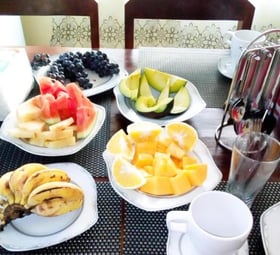
Your StayYou’ll stay in our safe, modern volunteer accommodation in Arusha — a friendly shared house with comfortable rooms, home-cooked meals, and a welcoming team. The home is located in a peaceful neighborhood about 15 minutes from town, with 24-hour security, housekeeping, and support staff.
Getting AroundDepending on your outreach schedule, you’ll travel to nearby communities using local minibuses or Medi Trip transport, usually 45–60 minutes each way. Travel costs are minimal $1-$50 per day depending on your planned outreach destinations which stretch across the region to reach children who cannot access care and part of the experience — a window into Tanzanian daily life. You’ll often set off early, visit families or small centres, and return by afternoon for debrief and documentation.
Visa & Permit
Volunteers are required to obtain the appropriate Work Assignment Visa, as per Tanzanian law. This ensures your placement complies with immigration and community engagement regulations. Guidance on this process will be provided once your booking is confirmed.