Login

Select travel dates to see prices

Very Good 4.33rating (35)

Medical Outreach Assistant

location
2 - 12 weeks  ·  Age 18 - 50+
Verified
Volunteer project with the highest quality. This project sets unprecedented standards in quality - an unparalleled level of excellence.

Highlights

  • Deliver hands-on medical care to remote communities with limited access to healthcare.
  • Collaborate with local doctors, nurses, and healthcare workers to build sustainable health solutions.
  • Educate communities through impactful workshops on hygiene, maternal health, and disease prevention.

Highlights

  • Deliver hands-on medical care to remote communities with limited access to healthcare.
  • Collaborate with local doctors, nurses, and healthcare workers to build sustainable health solutions.
  • Educate communities through impactful workshops on hygiene, maternal health, and disease prevention.
  • Experience life in a culturally rich, off-grid setting at our eco-friendly Ampohana Camp.
  • Grow professionally by gaining real-world experience in global health, outreach, and cross-cultural medicine.

  • You don't have to pay anything yet

    Especially good for

    Age 18+
    Singles
    Couples
    Groups
    50+

    About the program

    MRCI's Medical Assistance Program has been developed to help deliver essential healthcare services to remote communities in Madagascar.

    Medical Assistance Program

    The Madagascar Research and Conservation Institute (MRCI) proudly offers its Medical Assistance Program, dedicated to improving healthcare access for underserved communities in northwestern Madagascar. Based at MRCI’s Turtle Beach camp in Ampohana, this initiative brings ...

    About the program

    Medical Assistance Program

    The Madagascar Research and Conservation Institute (MRCI) proudly offers its Medical Assistance Program, dedicated to improving healthcare access for underserved communities in northwestern Madagascar. Based at MRCI’s Turtle Beach camp in Ampohana, this initiative brings together qualified medical professionals and students to provide vital healthcare services, deliver public health education, and distribute essential medication and supplies. Volunteers play a direct role in community wellness while experiencing cross-cultural exchange and working in a resource-limited environment where their skills can make a life-changing impact.

    Program Activities and Volunteer Involvement

    Volunteers in the Medical Assistance Program are actively involved in a range of healthcare-focused activities:

    • Community Health Clinics: Assist in diagnosing and treating patients, administering medications, and providing health advice.

    • Mobile Medical Outreach: Travel to neighbouring villages to deliver healthcare services to those with limited access.

    • Collaboration with Local Health Centers: Work alongside local doctors and nurses to enhance healthcare services.

    • Health Education Workshops: Educate locals on sanitation, maternal health, and disease prevention.

    • Physiotherapy & Rehabilitation Support: Offer therapy and rehabilitation services for individuals in need.

    • Medical Supplies Management: Help assess and distribute essential medications and first aid supplies.

    • Chronic Disease Management: Support ongoing care and education for chronic illnesses such as diabetes and hypertension.

    The program operates year-round. Volunteer activities are adapted based on the community’s needs and health concerns throughout the year.

    Objectives and Goals of the Program

    The Medical Assistance Program aims to strengthen the regional healthcare system and improve health outcomes through:

    • Providing basic and specialized medical services to underserved populations.

    • Increasing health literacy through education and prevention-focused outreach.

    • Supporting and collaborating with local health professionals.

    • Enhancing access to medication and medical equipment.

    • Collecting basic public health data to inform long-term support strategies.

    Program Highlights

    • Deliver essential medical care and health education to remote communities.

    • Collaborate with local healthcare professionals to support sustainable development.

    • Educate individuals and families on disease prevention and healthy living.

    • Experience off-grid life at our eco-conscious Ampohana Camp.

    • Grow professionally and personally through cross-cultural learning and service.


    General Information

    Age Range: Volunteers must be 18+ years old. While most volunteers are in their twenties, people of all ages are welcome.

    Number of Volunteers: Up to 10 volunteers may participate in the Medical Program at any given time.

    Languages: English is the working language of the program. Malagasy and French are spoken locally. 

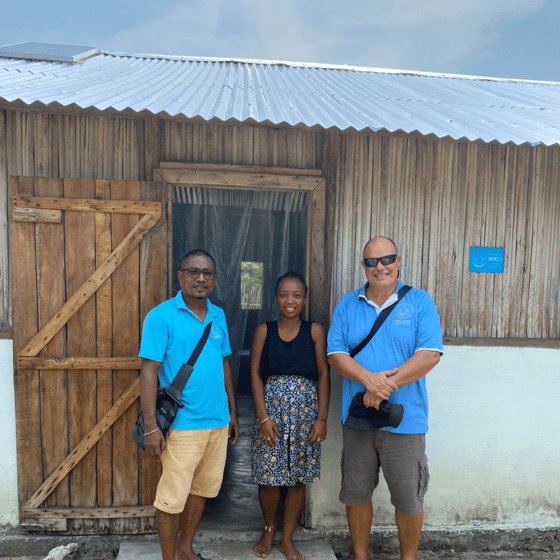
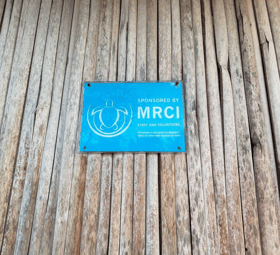
    Accommodation: Volunteers live in shared dormitory-style rooms at Ampohana Camp. Facilities are basic but comfortable. MRCI has built solar-powered infrastructure, including a medical consultation area, medical supply storage, and classrooms for health workshops.

    Meals: Volunteers receive three meals a day, using locally sourced ingredients.

    Wi-Fi & Communication: There is no Wi-Fi on camp, and mobile coverage is rarely available. Volunteers can purchase a local SIM card in Hellville with data for internet access.

    Essential Information

    • Health Insurance: Required.

    • Vaccinations: Yellow fever, Hepatitis A & B, tetanus, typhoid, and rabies are recommended. Consult a travel doctor.

    • Climate: Hot and humid. Stay hydrated and use sun protection.

    Included:

    • Shared accommodation

    • All meals (3/day)

    • In-country support and supervision

    • Program orientation

    Not Included:

    • Flights

    • Visa costs

    • Travel/health insurance

    • Personal spending

    Currency: Madagascar is a cash-based society and you will need to withdraw local currency, Malagasy Ariary (MGA), at the ATM in Hellville. We do not recommend bringing US Dollars or Euros to exchange as the exchange rate received is very poor.

    Passport and Visa:  All visitors require visas and a one to two-month single-entry visa may be obtained on arrival at the airport. We do recommend you check with the Consulate General as visa requirements can change at any time. A passport valid for 6 months after the date of return is required. Please ensure you have at least two blank pages available in your passport before commencement of travel.

    • 15-Day visa: 10 Euros / 11 USD
    • 30-Day visa: 35 Euros / 37 USD 
    • 60-day visa: 40 Euros / 45 USD 
    • Additional 30-day extension: 68 Euros / 75 USD

    Most nationalities can get a visa upon arrival at the airport in Madagascar or the Madagascar embassy in the country of departure. You can purchase either a 30 or a 60-day visa. There are no ATMs or credit card facilities at the airports, so you will need to bring enough cash to pay for your visa when you land. Visas may be extended to 90 days for $75 once in-country. 

    Due to its structure, this program is classified as a tourist trip. Volunteers participate in a project for three months or less, work an average of four to six hours daily (not full-time), and do not receive any pay or free accommodation/meals in compensation for work. That qualifies these types of trips as “tourist” trips, therefore, we recommend you select “tourism” as your reason for travel on your visa. Other visa types may be available, however, they are often unnecessary, expensive and time-consuming.

    What to Bring

    Essentials

    • Mosquito net (lightweight, box style, single person)
    •  Single sheet and pillow with pillowcase
    •  Bed sheet for a single bed
    •  Thin sleeping bag (June-August) 
    • Bath towel/Beach towel 
    • Lightweight waterproof rain jacket (rainy months)
    •  T-shirts and tank tops
    •  Light long-sleeved sweatshirt/jumper/ fleece
    •  Trousers (for forest walks or mosquito protection in the evening)
    •  Shorts
    •  Underwear
    •  Swimming costume/bikini/board shorts
    •  Cap/sunhat
    •  Sunglasses
    •  Reusable water bottle (1L)
    •  Walking boots or good trainers /sneakers
    •  Flip-flops
    •  Day pack (waterproof recommended)
    •  Solar panel charger 
    • Toiletries (soap, shampoo, razor, toothpaste, toothbrush)
    •  Personal medical kit
    •  Sunscreen (water-resistant, preferably biodegradable and reef safe)
    •  Insect repellent (DEET-free)
    •  Head torch (with rechargeable batteries)
    •  Photocopy of passport, travel insurance details, and other important travel documents
    •  Debit card/credit card (VISA is widely accepted)
    Optional
    • Battery pack (to use in conjunction with your solar panel)
    •  Hammock (plenty of places to hang it!)
    •  Mobile phone (you can buy a local SIM card for around US$10) 
    • A padlock to secure personal items
    •  Laptop/iPad
    •  Camera (waterproof optional but recommended)
    •  Books
    •  A nice set of clothes if you want to go out for dinner or dancing
    •  Mask, fins, snorkel and rash vest for snorkelling in your free time
    •  Treats/food difficult to get in Madagascar - we have supermarkets, but maybe there’s
    •  that one snack you can’t live without?
    •  Lonely Planet Travel Guide can be helpful for preparing to visit Madagascar
    Medical Kit Example
    •  Personal first aid kit
    •  Malaria Prophylaxis
    •  Paracetamol/Ibuprofen
    •  Anti-histamine pills and/or cream 
    • Immodium 
    • Multi-vitamins
    •  Anti-septic cream or spray (Eg. Savlon)
    •  Sea/Travel sickness pills if prone
    •  Bandage
    •  Plasters
    •  Aftersun

    Health Disclosure

    Volunteers are asked to inform MRCI staff of any medical or mental health conditions. This information is kept confidential and ensures volunteer safety and fair participation in program activities.

    Dietary Requirements

    MRCI strives to accommodate dietary restrictions to the best of our ability within the limitations of our remote setting. Volunteers are provided with three meals daily, based primarily on a diet that includes rice, vegetables, legumes, and occasional protein sources like eggs, fish and zebu (beef). If you have dietary needs such as gluten-free, vegan, or food allergies, please inform us in advance so we can plan accordingly. While we make every effort to meet these requirements, we encourage volunteers with strict diets to bring supplementary snacks or essentials.

    Ready to Make a Difference?

    Apply today to join the MRCI Medical Assistance Program and use your skills to improve healthcare access in Madagascar!


    Typical day

    Volunteers in the Medical Assistance Program typically engage in both morning and afternoon activities, which may include clinic visits, mobile outreach, or health education sessions. After dinner each evening, volunteers gather for a briefing to review the next day’s schedule and assignments. ..

    Typical day

    Volunteers in the Medical Assistance Program typically engage in both morning and afternoon activities, which may include clinic visits, mobile outreach, or health education sessions. After dinner each evening, volunteers gather for a briefing to review the next day’s schedule and assignments. Please note that the daily schedule may vary depending on weather, community needs, and the availability of local partners.

    Sample Schedule:

    • 05:30–07:00 Breakfast

    • 06:30–08:00 Depart for morning medical activities (clinics, outreach, or workshops)

    • 12:00 Lunch back at camp or in the field (packed lunch)

    • 14:00 Resume afternoon activities (follow-ups, home visits, data entry, or health education)

    • 16:30–17:00 Daily activities conclude

    • 18:00 Dinner on camp

    • 18:45 Evening briefing for the following day’s activities

    Volunteers are welcomed at Nosy Be's Fescene International Airport and transferred (weather and time permitting) via boat to MRCI’s Turtle Beach camp in Ampohana. Upon arrival, volunteers receive a full orientation, camp tour, and health and safety briefing.


    Free-time activities

    During your time in Ampohana, you'll have opportunities to explore the surrounding area, enjoy the natural beauty of Madagascar, and learn about local culture during your free time. Please note that only cash is accepted on Nosy Be and Nosy Komba. There are no ATMs on Nosy Komba or near Ampohana, so ...

    Free-time activities

    During your time in Ampohana, you'll have opportunities to explore the surrounding area, enjoy the natural beauty of Madagascar, and learn about local culture during your free time. Please note that only cash is accepted on Nosy Be and Nosy Komba. There are no ATMs on Nosy Komba or near Ampohana, so all cash must be withdrawn from ATMs located in Hellville on Nosy Be before arrival. Most ATMs accept VISA cards, while only a few accept MasterCard. Depending on your weekend plans and personal spending habits, volunteers typically find $75–$150 USD per week sufficient for activities, souvenirs, and snacks.

    While MRCI occasionally organizes trips (such as SCUBA diving and cultural hikes), most weekend excursions are organized independently. However, helpful tips and contact information from past volunteers are available on camp to assist with planning.

    Popular Free-Time Activities Include:

    • Discovery SCUBA Dive and SCUBA Certifications (offered through MRCI at our Turtle Cove camp on Nosy Komba)

    • Beach days and snorkeling in the pristine waters around Nosy Komba

    • Visit to Lokobe Forest Reserve, home to lemurs and medicinal plants

    • Hike with a local guide to explore endemic wildlife and flora around Nosy Komba

    • Boat trips to Nosy Sakatia or Nosy Iranja for swimming, snorkeling, and turtle spotting

    • Whale shark excursions (seasonal, available near Nosy Be)

    • Visit cultural sites like the Sacred Tree or Sacred Waterfall on Nosy Be

    • Lemur Park visit in Ampang village on Nosy Komba

    • Explore Ankarana or Amber Mountain National Parks (longer trips to mainland Madagascar)

    • City tour of Ambanja or Diego Suarez, including visits to plantations, the Emerald Sea, Three Bays, and Tsingy Rouge rock formations

    Whether you prefer adventure, cultural exploration, or just relaxing by the sea, your weekends can be filled with unforgettable experiences!


    Requirements

    Requirements

    Minimum Age: 18 years

    In order to join the program you need to be at least 18 years old on the program start date. There might be exemptions if you can provide the permission of your legal guardian(s) or if your are accompanied by your parents.

    Language Skills

    You need to speak English (intermediate level)

    Education Requirements

    Medicine at University level

    Required Documents

    CV and proof of education

    Nationality Restrictions

    No restrictions. Helping hands from all over the world are welcome.

    Other Skills

    Medical, nursing, first aid, etc.

    Time Commitment

    Your helping hand will be required on Monday, Tuesday, Wednesday, Thursday and Friday from 08:30 - 16:30

    What's Included

    What's Included

    On-site Services

    MRCI relies on program fees to operate sustainably. These fees directly support your accommodation, meals, boat transport, in-country support staff, medical outreach logistics, training, and essential supplies for the Medical Assistance Program. In addition, your contribution helps fund community development and further health initiatives, maintains our camps, and ensures we can continue delivering meaningful, long-term healthcare support to underserved communities in Madagascar. Every dollar helps make your impact possible!

    Airport Pickup at Fascene Airport

    The Medical Assistance Program begins on the 1st and 3rd Monday of each month. Our Turtle Beach camp in Ampohana is located on the mainland, southeast of Nosy Be. Nosy Be has a major port and international airport, making it the main point of entry for volunteers.
    Getting There
    We recommend that all volunteers arrive on Nosy Be on the Saturday before your start date. This ensures a smooth transfer to Ampohana Camp and allows time for orientation on the Sunday.

    You can fly directly into Nosy Be Fascene International Airport (NOS) or into the capital city, Antananarivo (TNR). If arriving in Antananarivo, you’ll need to either take a domestic flight to Nosy Be or arrange overland transport (which can take 48–72 hours depending on weather and road conditions).
    Arrival Process
    MRCI provides airport pickups between 7:00 AM and 7:00 PM only. If you arrive outside of this timeframe, you will need to arrange your own transportation to Hellville to either meet our team the same day or the following day. 

    I you arrive within the designated timeframe, an MRCI team member in an MRCI blue or green t-shirt will meet you at the airport when you arrive. Please look out for a sign with our turtle logo. If time allows, you’ll receive a brief tour of Hellville, where you can purchase snacks, draw cash at an ATM, and buy a local SIM card. Keep in mind that shops close between 12:00 and 14:30–15:00 for siesta.

    If you arrive after 12:00pm, you will need to spend the night on Nosy Be and travel to camp the following day. We can recommend accommodation options and confirm a meeting time and location for your pickup the next morning.
    Transport to Camp
    Your initial transport from Nosy Be airport (or port) to Ampohana is included in your program fee. This includes a taxi or tuk-tuk from the airport/port to Hellville and a boat ride to camp. An MRCI staff member will accompany you on the boat and provide a camp tour and orientation upon arrival at Ampohana.
    Departure from Camp
    For your departure, you will need to arrange and pay for your return transport to Nosy Be or onward destinations. Our team is happy to help you book your boat transfer and any additional travel assistance you may need.

    Accommodation

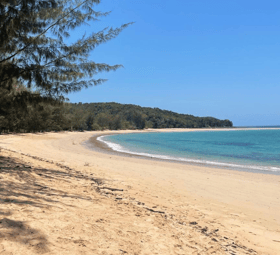
    Our Ampohana camp, also known as Turtle Beach, is set along a pristine, secluded coastline of the mainland. Nestled between turquoise waters and lush tropical forest, the camp offers an immersive experience for volunteers participating in our Medical Assistance and other community-based programs.

    The camp is eco-friendly and solar-powered, designed with sustainability in mind. Volunteers live in locally built A-frame bungalows, just steps from the beach, which serve as shared sleeping quarters fitted with bunk beds. Expect to share your hut with anywhere from 2-10 other volunteers. Please bring your own bedding, pillowcase, towel and mosquito net. There are basic bathroom facilities with running water, flush toilets, and cold-water showers.

    Meals are prepared in the open-air kitchen and dining hut, and there are several shared spaces to relax, socialize, or take in the stunning ocean views. Whether it's lounging in a hammock, joining an evening debrief, or enjoying a quiet moment under the stars, the atmosphere in Ampohana is peaceful and community-focused.

    As this is a solar-powered camp, electricity is limited. Volunteers are encouraged to bring a solar panel and battery pack to charge small devices like phones or headlamps. 

    During outreach trips to other villages or islands, volunteers may camp or stay in basic bungalows. These experiences are rustic but rewarding, offering a deeper connection to the local communities and environment.

    Please note: We rely on rainfall for water and solar power for electricity, so it’s important to conserve both resources. Also, there are no waste disposal or recycling facilities on the island. We ask all volunteers to avoid bringing single-use plastics or disposable items. Please opt for rechargeable batteries and reusable products wherever possible to help us protect this fragile environment.

    Food & Beverages

    Volunteers are provided with three meals a day, seven days a week, freshly prepared by our on-site cooks using traditional Malagasy methods and locally sourced, seasonal ingredients. Most meals are centered around rice, accompanied by beans, vegetables, and occasionally fish, chicken, or beef (zebu). Meat, when served, is typically cooked in a flavorful sauce and served in small pieces over rice. Seasonal fruits such as bananas are commonly available, and breakfasts may include baguettes with jam, eggs, or crepes depending on what's available.

    A vegetarian option is available at every meal. However, due to the remote location and limited resources, we are unable to provide a full vegan menu. Vegan volunteers are welcome to enjoy the vegetable-based dishes but should plan to bring supplemental snacks or ingredients to ensure they meet their nutritional needs.

    If you have any special dietary requirements or allergies, please inform us in advance. While we will do our best to accommodate your needs, it’s important to understand that meals may differ significantly from what you're used to at home. Flexibility is essential when volunteering in a remote part of a developing country, and we appreciate your understanding and adaptability.

    Internet Access

    Limited access at the project site
    You don't have to pay anything yet

    What's NOT included?

    What's NOT included?

    Flight Tickets

    The nearest airport is Fascene Airport (NOS) in Nossi-be. We assist you to find cheap flights to Madagascar. FIND CHEAP FLIGHTS

    Travel Insurance

    Going abroad is an adventure and it is always best to be prepared. Sudden illness or injury, cancellation or theft - a travel insurance for Madagascar provides security and is a plus to have. GET A QUOTE

    Vaccines

    If you are intending to volunteer in Madagascar you should seek medical advice before starting your social journey. Check your required vaccinations for Madagascar. VACCINE CHECKER

    Details on arrival

    MRCI’s Medical Assistance Program runs year-round, with start dates on the 1st and 3rd Monday of each month. Volunteers are encouraged to arrive on Nosy Be island by the Saturday or Sunday prior to their program start.

    ARRIVAL DAY (SATURDAY or SUNDAY):

    You will be welcomed at the Nosy Be International Airport (or port) by an MRCI staff member and driver. If you arrive before Sunday, you’ll be dropped off at your pre-booked hotel and have the opportunity for a casual tour of Hellville, the capital of Nosy Be. On Sunday, you’ll meet an MRCI staff member at a designated meeting point for your transfer to Ampohana Camp.

    Sunday Schedule Example:

    • 10:00-12:00 Boat transfer to Turtle Beach camp in Ampohana (accompanied by staff)
    • 14:00 Welcome and camp tour upon arrival
    • 16:30 Free time to unpack, settle in, and meet your fellow volunteers
    • 18:00 Dinner
    • 18:45 Evening board briefing – overview of the next day’s schedule
    MONDAY: Orientation Day
    • 07:30 Breakfast
    • 08:30 Orientation presentation – About MRCI, the Medical Program, and local context
    • 10:00 Health & Safety presentation
    • 11:00 Complete and sign any necessary forms and paperwork
    • 12:00 Lunch
    • 14:00 Tour of the village and MRCI's built facilities
    • 17:00 Return to camp
    • 18:00 Dinner
    • 18:45 Daily board briefing and discussion of Tuesday's activities
    TUESDAY: First Day on the Project

    Your first official day on the Medical Assistance Program begins! Volunteers receive practical training in:

    • Community engagement and communication

    • Health outreach protocols

    • Documentation and supply tracking

    • Overview of ongoing health issues in the region

    • Expectations for clinical and outreach activities

    Once training is complete, volunteers are divided into groups and paired with MRCI medical staff to begin their fieldwork. Activities may include visits to community clinics, mobile outreach to neighbouring villages, or health education sessions.

    Please Note: Schedules in Madagascar often depend on weather, boat access, community availability, and other logistical factors. The sample itinerary above should be used as a guideline only. Our team will provide real-time updates and ensure you're fully prepared to begin your project work. Embrace the “mora-mora” (slow and steady) approach to Malagasy life – be flexible, patient, and open to the experience!

    Availability
    Jan Feb Mar Apr May Jun Jul Aug Sep Oct Nov Dec

    Program Fees

    $404 per week 2 - 12 weeks Age 18 - 50+

    Payment methods

    Visa Master Card Maestro American Express PayPal

    NO CREDIT CARD FEES


    Duration

    2 - 12 weeks

    Deposit

    Reserve your spot with just a few clicks and a small, secure deposit. You can pay by credit card, PayPal, or other convenient methods.


    Final Payment

    You’ll agree on the final payment method with your local organization during the application process. This final payment is only due closer to the start of your trip.

    You don't have to pay anything yet
    4.3
    Travelers’ Choice
    One of the most loved volunteer experiences, according to travelers

    Location


    Meet your project coordinator

    Danielle
    35
    reviews
    4.33
    Very Good
    2013
    Founded

    Verified

      Very high response rate
    Spoken languages: English
    Travel safely by using Volunteer World for your communication and bookings. This way, you can benefit from the Flex Option, Refund Guarantee, and Resolution Support.

    You might also be interested in

    Contact Danielle
      Very high response rate
    English

    Most volunteers ask about


    Do you have any more questions? Send a message to Danielle
    Please don't share personal contact details for your privacy

    Travel dates

    1. - 1. Jan 1

    Book with Flex Option!

    Choose new departure dates or change to a different volunteer program at no extra costs within 12 months.

    Complete Support for Every Volunteer

    This helps us run our platform and offer essential services like Comprehensive Support, Refund Guarantee, Flex Option without rebooking costs, and Price-Guarantee. This includes VAT.

    Price details