Login

Select travel dates to see prices

Brilliant 4.77rating (151)

Teaching and School Support Assistant

location
4 - 50 weeks  ·  Age 14 - 50+
Verified

Highlights

  • Volunteers live in a cozy volunteer house, enjoying freshly prepared meals and a vibrant community atmosphere. You will have the opportunity to engage with African culture, expanding your worldview
  • Program cater to a diverse range of volunteers, including individuals aged 14 & older, high school & university students, professionals, couples & families with children, as well as adults aged 50+
  • Upon finishing your online or onsite volunteer engagement, UCESCO will provide you with an official recommendation letter & a Certificate of Appreciation/Recognition in acknowledgment of your time

Highlights

  • Volunteers live in a cozy volunteer house, enjoying freshly prepared meals and a vibrant community atmosphere. You will have the opportunity to engage with African culture, expanding your worldview
  • Program cater to a diverse range of volunteers, including individuals aged 14 & older, high school & university students, professionals, couples & families with children, as well as adults aged 50+
  • Upon finishing your online or onsite volunteer engagement, UCESCO will provide you with an official recommendation letter & a Certificate of Appreciation/Recognition in acknowledgment of your time
  • Our project site offers a dynamic environment where your contributions can have a significant impact. UCESCO - Africa boasts a perfect safety record, and we are committed to upholding this standard
  • The volunteering commitment is between 3-4 hours, which provides ample time for pursuing extra projects, learning new languages, or exploring the local area. You can rotate as many projects as you can

  • You don't have to pay anything yet

    Especially good for

    Age 14+
    Singles
    Couples
    Families
    Groups
    50+
    Wheel Chairs

    About the program

    Volunteers play a vital role in enhancing the learning environment by assisting teachers, supporting students, and helping with classroom and school activities.

    As a Teaching and School Support Assistant Volunteer, you will:

    • Support classroom teachers by assisting with lesson delivery and activities.
    • Work one‑on‑one or in small groups with students who need extra help.
    • Help prepare learning materials, set up activities, and organize resources.
    • En

    About the program

    As a Teaching and School Support Assistant Volunteer, you will:

    • Support classroom teachers by assisting with lesson delivery and activities.
    • Work one‑on‑one or in small groups with students who need extra help.
    • Help prepare learning materials, set up activities, and organize resources.
    • Encourage positive behaviour and foster a safe, inclusive school environment.
    • Assist with supervising students during school breaks, activities, and transitions.
    • Build supportive relationships with learners to boost confidence and participation
    Key Responsibilities

    •  Assist teachers with classroom instruction and learning activities
    •  Support students with reading, writing, numeracy, and language skills
    •  Prepare and organize learning materials and displays
    •  Help monitor student progress and provide gentle encouragement
    •  Support students with special educational needs (where appropriate)
    • Promote school values and positive behavior
    • Supervise during recess, lunch, arrival, and departure times
    •  Communicate respectfully with teachers, students, and parents
    subject subject that you can teach
    1. Basic skills in Chinese, English, French, or Spanish
    2. Mathematics or any science subject that you are most passionate about sharing with our students during general discussions or revisions, and occasionally assisting in grading and creating small practice tests.
    3. Cooking and Baking classes during life skills lessons 
    4. Art and Painting classes for our kindergarten and primary kids  
    5. Basic Computer Skills (Word, Excel, PowerPoint, Access), Operating Systems (Windows), Internet and Email, Desktop Publishing (Publisher, InDesign), along with basic IT concepts.
    6. Sports and recreation 
    7. Basic Music lessons ( oral and instruments you know ) 
    8. Yoga and Physical Education  for our Vocational Center for women
    9. Nail Art, Massage therapy, and Beauty for our Vocational centre 
    10. Video editing and Photography classes
    11. Sewing and Fashion Technology classes at our vocational centre 
    12. Management skills during life skills lesson 
    13. Health discussions
    14. Financial literacy and Business management
    15. Basic Eco Farm /Agriculture skills 
    Below are some of our projects to choose from to assist 

    1. Peggy Lucas Centre of Hope School – Kibera

    What they do:

    PEGGY LUCAS is a kindergarten and primary school located in the heart of Kibera, the largest slum in Africa. This school offers early childhood and primary education in a safe, nurturing space, with a focus on holistic child development.

    Who they cater to:
    Young children aged 3–13 years old from families experiencing severe economic hardshipcurrently with a population of 266 learners.

    Main Needs/challenges:

    1. Food support for daily school meals
    2. Stationery and learning materials
    3. Library books, especially storybooks for younger children
    4. Poor infrastructure (classroom repairs, painting).The school's iron sheets, as the current roof is leaking
    5. Toys for small children
    6. First aid supplies
    7. Scholarships for education support

    2.  Bright Achievers High School – Kibera

    What they do:
    Bright Achievers provides secondary education to teenagers from low-income households. The school focuses on academic performance, character building, and personal development.

    Who they cater to:
    Students from vulnerable backgrounds whose families often struggle to meet school fees.

    13–19 years old (high school students).

    Main Needs/challenges:

    1. Food
    2. Digital literacy equipment (computers)
    3. Limited learning materials(books textbooks and notebooks)
    4. Science lab equipment
    5. Desks
    6. Sports equipment
    7. Music instruments
    3. New Horizons High School – Kibera

    What they do:
    New Horizons offers secondary education with a strong focus on mentorship, discipline, and personal growth.

    This secondary school serves about 200 students from Form 1 to 4 in Mashimoni, part of Kibera.

    14–19 years old (high school students).

    Who they cater to:

    Students from vulnerable backgrounds whose families often struggle to meet school fees.

    13–19 years old (high school students).

    Main Needs/challenges:
    High need for sponsorship, limited access to technology, insufficient learning resources, and infrastructural needs

    1. Computers for digital literacy
    2. Food support
    3. Classroom renovations
    4. Desks and school furniture
    4. Treeside Special Needs School

    TREESIDE supports children with disabilities who are deaf, autistic, or have developmental challenges. The total population is around 82 kids.

    UCESCO mostly engages through therapy games, eco-farm activities, and community service.

    Main needs include:

    1. Food
    2. Seedlings
    3. Braille materials
    4. Hearing aids
    5. MVETI – Institute for Women Empowerment – Kibera

    What they do:
    MVETI is an empowerment center that equips young men and women, mostly single mothers, with practical skills such as hairdressing, tailoring, beauty therapy, entrepreneurship, and financial literacy. and now seek soft skills to become self-reliant and reduce dependency. Their goal is to create self-reliance and economic empowerment.

    Who they cater to:
    Young women, survivors of hardship, teenage mothers, and women seeking livelihood opportunities.

    16 years and above (young women & mothers)

    Main challenges:
    Lack of training materials, equipment shortages, and limited funding to support trainees.

    Specific supplies needed:

    1. Beauty products (Towels, hair products, combs and brushes, nail supplies, nail dryers, training mannequins used for vocational training)
    2. Sewing materials and basic business tools.
    3. Foreign language learning materials
    4.  Soft transferable skills materials
    5. Sanitary towels
    6. Diapers for their young children
    7.  Stationery
    6. Havillah School – Northern Kibera

    HAVILLAH is a school serving kids aged 3 to 13 in northern Kibera with around 140 children.

    Main needs/Challenges:

    1. Food
    2. Stationeries
    3. Books
    4. Clothes
    7. Dalton School – Samburu

    What they do:
    Dalton School is a school located in the remote Samburu region of Northern Kenya.  with very high illiteracy levels. The school provides basic education, safety, and daily structure to children living in pastoralist communities, many of whom face harsh living conditions and long distances to reach school.

    Who they cater to:
    The school serves young children from semi-nomadic families, including girls who are at higher risk of early marriage, limited access to education, and cultural barriers to schooling. Many students walk long distances each day to attend classes.

    The learners are between 5–14 years oldIt has 87 students who greatly benefit from any form of educational support.

    Main Needs/challenges:

    1. Limited access to food and clean water.
    2. Very few textbooks. Studying books, especially storybooks, to polish grammar.
    3. Children often lack school uniforms and shoes
    4. Scholarships to keep students in school
    5. Hygiene supplies like toothpaste and soap
    6. Toys, as many children here rarely get them
    7. Poor infrastructure ( limited furniture)
    8. Lack of electricity and minimal access to technology
    9. Despite these challenges, the school remains a safe space where children can learn, play, and receive mentorship.

    8Dreams of Hope Rescue Center – Daytime Safe Space for Girls & Children-Kibera

    What they do:
    Dreams of Hope Rescue Center provides a safe daytime environment for vulnerable girls and children, especially during school holidays when they are most exposed to neglect, unsafe environments, or a lack of supervision. The center provides holiday engagement activities to keep children safe and focused from Community peer influence like drugs, e.t.c.It has around 60 kids.

    Who they cater to:

    1. Girls escaping difficult or dangerous home situations
    2. Children from communities where supervision is limited during holiday periods.
    3. Young girls need protection, emotional support, and stability.
    4. Children who require a safe space to learn, play, and grow during school breaks.
    5. They range between the ages of 7 to 17 years old.
    6. The center not only protects them but also offers positive development activities that build confidence and resilience.

    Main challenges:

    1. Limited food supplies and basic necessities
    2. Need for learning materials and recreational items
    3. Hygiene supplies.
    4. Shortage of trained caregivers and mentors
    5. Craft and mentorship items
    6. Need for emotional, educational, and social support programs
    9. Page Vision Primary School – Mathare

    What they do:
    A primary school providing foundational education, meals, and emotional support to young children.

    Who they cater to:
    Children from families living in extreme poverty.

    A primary school serving children aged 5–13 years from very needy homes.

    Main Needs/challenges:

    1. Sports equipment
    2. Food program support
    3. Renovations around the school
    4. Desks
    5. school uniforms/shoes
    6. overcrowded classrooms
    7. Limited play/learning materials.
    10. Shining Hope School – Mathare

    What they do:

    Located in Mathare, Kenya’s second largest slum, SHINING HOPE serves children aged 1–7 years. Shining Hope School in Mathare provides early childhood and primary education to children from highly vulnerable households. The school focuses on holistic development—education, nutrition, emotional support, and safety.

    Who they cater to:

    Young children aged 17  living in extreme poverty

    Children who rely on school for one of their daily meals

    Students needing emotional support, routine, and a safe environment

    Main Needs/ challenges:

    1. Severe food shortages
    2. Lack of school uniforms and shoes
    3. Inadequate classroom infrastructure
    4. Library/story books
    5. Shortage of play and recreational items.
    6. Hygiene products
    11. Paradise Home

    A children's care center/orphanage for children aged 4–14 years. It has around 40 kids.

    1. Needs:
    2. Game equipment
    3. Kids’ toys
    4. Stationery
    12. Hope Kids – Mathare

    A community empowerment program supporting different age groups. It caters to over 150 community members.

    Needs:

    1. Painting materials
    2. Mentorship books
    3. Food for needy families
    13. YAMOSCO Micro-Empowerment Centre

    An empowerment initiative offering soft skills and entrepreneurship training. It has an estimate of 40 students.

    Needs:

    1. Soft skills materials
    2. Entrepreneurship tools
    3. Basic office supplies
    Other ways you Can Help as a volunteer 

    Volunteers play an important role in supporting these communities. You can contribute in the following ways:

    1. Giving Donations
    Priority needs include:

    1. Food supplies
    2. Tuition fees & school sponsorships
    3. School uniforms & school shoes
    4. Textbooks, reading books, notebooks
    5. Computers and tablets
    6. Board games, educational games
    7. Paint and art supplies to improve school appearance
    8. Materials for school infrastructure repairs (desks, chairs, roofing, wiring)
    9. MVETI-specific supplies: towels, hair products, nail supplies, nail dryers, beauty equipment.
    2. Supporting Extracurricular Programs

    Volunteers can help establish or run:

    1. Art clubs
    2. Social media & content creation groups
    3. School journalism clubs
    4. Science clubs
    5. Mental health awareness sessions
    6. Music, dance, or drama workshops
    7. Swimming or sports training  infrastructure (Playing ground for children)
    Examples of Past Volunteer Activities

    • A previous volunteer took art-interested students from Kibera to an Art Academy for practical exposure.
    • Another volunteer hosted a dance class, which became one of the most memorable experiences for the students.
    • Some volunteers have conducted digital literacy workshops and photography classes.
    3. Establishing Partnerships

    Volunteers can use their networks to:

    • Connect schools with companies for long-term sponsorships
    • Source donations of learning materials or equipment
    • Introduce mentorship programs
    • Support sustainability projects (e.g., water tanks, school gardens)
    • Support with medical supplies like medicines and medical equipment for the annual free medical camp.
    • Partnerships created by volunteers often lead to lasting, meaningful change.
    If You Are Volunteering for 1 Week (Short-Term Projects)

    These activities are hands-on, easy to integrate, and do not require long-term follow-up.

    1. Classroom Support

    1.  Assist teachers in English, math, science, arts, or reading.
    2. Offer motivational talks or life-skills sessions.
    2. One-Time Workshops

    Perfect for volunteers with specific skills:

    • Art, photography, creative writing
    • Dance, music, drama
    • Financial literacy
    • Basic computer skills
    • Mental health awareness sessions
    • Hair & beauty demonstrations (MVETI)
    • Sports class
    3. School Beautification Projects

    Short-term but high-impact:

    • Painting classrooms
    • Planting flowers/organizing a mini clean-up
    • Organizing reading corners
    • Repairing simple items (desks, shelves)
    4. Donations Distribution

    Volunteers can bring or purchase items to distribute:

    • Uniforms, shoes, food packages
    • Books, school supplies
    • Hair/beauty supplies for MVETI
    • Board games and learning materials
    5. Exposure Activities

    Examples based on past volunteers:

    1. Taking art students to an Art Academy
    2. A volunteer organizing a one-day dance class
    3. A local tour (museum, park, sports activity) to inspire students
    If You Are Volunteering for 2–3 Weeks (Medium-Term Projects)

    This timeframe allows you to provide more continuity and build deeper connections.

    1. Establishing Clubs or Programs

    1. Art club
    2. Journalism or school newsletter team
    3. Social media/content creation group
    4. Science club
    5. Reading club
    6. Mental health sessions (group discussions)
    7. Agriculture 
    2. Teaching in a More Structured Way

    1. Handling specific lessons over several days/week
    2. Developing lesson plans
    3. Supporting exam revision sessions
    3. Ongoing School Improvement
    1. Start and complete a beautification project (painting multiple classrooms, organizing a library)
    2. Setting up a computer corner or media center
    3. Installing shelves, organizing textbooks
    5. Mentorship & Guidance

    1. Career guidance for teenagers
    2. One-on-one or group mentorship
    3. Confidence-building workshops
    6. Sports or Physical Training Program

    1. Swimming lessons
    2. Football training
    3. Simple sports competitions

    Ideal for: Volunteers who want to see their initiatives grow and create continuity.

    If You Are Volunteering for 1 Month or More (Long-Term, Sustainable Projects)

    Longer stays allow volunteers to create lasting, systemic impact.

    1. Setting Up Sustainable Programs

    1. School journalism team producing monthly newsletters
    2. Ongoing social media/communication training
    3. Mental health peer-support program
    4. Consistent art program or science projects
    2. Long-Term Academic Support

    1. Handling weekly lessons
    2. Building literacy programs
    3. Helping create structured curriculum resources
    3. Infrastructure Projects

    1. Renovating classrooms
    2. Setting up school gardens
    3. Building shelves/libraries
    4. Establishing computer labs with training
    4. Partnership & Sponsorship Development

    Volunteers staying longer are in a better position to:

    1. Establish partnerships with companies
    2. Mobilize resources
    3. Create fundraising structures
    4. Work on grant applications
    5. Build sustainability strategies
    6. Follow-Up and Impact Tracking

    Assessing students’ progress

    1. Evaluating program outcomes
    2. Creating long-term improvement plans with teachers

    Ideal for: Volunteers who want deeper involvement and long-term transformation

    As you get ready to embark on your volunteer journey in Kenya, we kindly ask you to familiarize yourself with the following essential guidelines.
    1. Kenyan Currency, Mobile Phones, and Internet Access
    • Having a mobile phone will enable you to stay in touch with your family and friends. Local SIM cards are available, with Safaricom being the predominant provider. A SIM card can be purchased for approximately 1 US Dollar, offering competitive rates. The local currency is the Kenyan Shilling, and you can exchange money at malls or withdraw cash from ATMs. US Dollars are accepted for entrance fees at National Parks. 
    • Acquiring a local SIM card enables you to access M-Pesa, a popular and user-friendly mobile payment platform in Kenya. This facilitates seamless transactions, whether in markets, for transport fares, or even in remote villages across Kenya, eliminating the need to carry cash. This is particularly beneficial as taxi drivers often claim they lack change and may retain excess amounts. With M-Pesa, you can pay the exact fare required, unless you choose to provide a tip. Additionally, you can top up your M-Pesa account using services such as Wise.
    • Internet access is available via Wi-Fi in accommodations, workplaces, and public areas such as cafes and shopping centers. Alternatively, modem sticks for laptops can be purchased for additional connectivity options.
    2. Packing Essentials (Required items): 
    • eTA-Visa, which can be obtained via this link (https://www.etakenya.go.ke/de/evisa)  
    • Passport (ensure it is valid for at least 6 months beyond your date of entry),  
    • Yellow Fever vaccination certificate,  
    • credit card and/or cash,  
    • power adapter for local outlets.  
    • Recommended items: personal toiletries, travel pillow, wet wipes, hand sanitizer, durable footwear or shoes suitable for outdoor use, fanny pack, compact power bank, hairdryer, and clothing suitable for the weather (check the forecast before your arrival, as conditions may vary from your departure location). Laundry services are available for an additional fee.
    4. What can you expect on your first day with UCESCO
    • Upon your arrival, a member of the UCESCO team, either Kingsley or another representative, will meet you at the airport, and communication will be facilitated via WhatsApp. Your orientation is scheduled for the first weekday at the UCESCO office. If you arrive during the weekend, we can arrange a brief city tour or a one- to two-day safari; however, your first visit to the project will occur on Monday. The volunteer coordinator, will introduce you to the organization and its various initiatives, so feel free to ask her any questions you may have. You will have the opportunity to tour the Peggy Lucas School and other projects, with the day concluding around 2 PM. Following this, you may choose to visit the mall to acquire a SIM card (a passport is required) and set up an M-Pesa account.
    5. Exploration Opportunities (Tours and Safaris)
    • UCESCO-AFRICA invites you to delve into the vibrant lifestyle and culture of Kenya. If you are interested in safaris or travel experiences, our affiliated company, Meaningful Tours and Travel, provides budget-friendly safari options, hotel bookings, flight arrangements, and travel insurance. 
    • Weekends are an ideal time for our volunteers to uncover the marvels of our nation through safaris. For trips outside Nairobi, such as to Masai Mara or Samburu, we recommend a minimum stay of two nights and three days (Friday to Sunday) to fully enjoy the experience. In contrast, safaris within or close to Nairobi can be completed in one or two days, typically over the weekend. Our organization is dedicated to ensuring you have sufficient time to explore Kenya, as we believe experiencing the rich lifestyle and culture of Africa is vital during your visit. 
    • Meaningful Tours and Travel Kenya, a premier travel agency, offers an exciting selection of upcoming tours and extraordinary destinations within this beautiful East African gem. From the famous savannahs of the Maasai Mara to the pristine beaches along the Kenyan coast, their thoughtfully crafted tours will immerse you in Kenya's diverse landscapes, wildlife, and cultures. Experience the Great Rift Valley, witness the Big Five in their natural habitats, and engage with local communities through enriching cultural experiences. With Meaningful Tours and Travel, you are not just visiting Kenya; you are discovering its true essence. Join us on a transformative journey that showcases the beauty of Kenya and creates unforgettable memories. Turn your travel aspirations into reality.


    Typical day

    Daily Schedule

    Volunteer activities are conducted each morning, followed by a range of optional afternoon activities, including sports, traditional Kenyan dance classes, and cooking lessons. Participation in these activities is contingent upon the interest of the volunteers. Most volunteers prefer ...

    Typical day

    Daily Schedule

    Volunteer activities are conducted each morning, followed by a range of optional afternoon activities, including sports, traditional Kenyan dance classes, and cooking lessons. Participation in these activities is contingent upon the interest of the volunteers. Most volunteers prefer short tours around the city  (Museums and parks), visiting malls, open-air markets (Maasai market), Live bands and local clubs, nature trekking, and then returning home to relax and prepare for the next day's engagements.

    A typical daily schedule may be outlined as follows, with potential minor adjustments:

    • 8:30 a.m. - A nutritious and appetizing breakfast is provided.  
    • 9:30 a.m. - 1:30 p.m. - Volunteer work as previously detailed.  
    • 2:00 p.m. - 6:00 p.m. - Optional afternoon leisure activities as mentioned.  
    • 3:30 p.m. - Time to unwind and prepare to return home.  
    • 8:00 p.m. - Dinner is served.


    Free-time activities

    Kenya Safari Animals & Wildlife  

    • The wildlife of Kenya serves as the primary draw for tourists exploring Africa, largely due to the remarkable variety of animals and birds that can be observed during a safari, a diversity that is unparalleled in many other countries. With its rich ecosystem, Kenya ...

    Free-time activities

    Kenya Safari Animals & Wildlife  

    • The wildlife of Kenya serves as the primary draw for tourists exploring Africa, largely due to the remarkable variety of animals and birds that can be observed during a safari, a diversity that is unparalleled in many other countries. With its rich ecosystem, Kenya is home to around 400 species of mammals and an even greater number of bird species, providing an exceptional experience for wildlife enthusiasts. Visitors can expect to encounter some of the most iconic safari animals, including the Big Cats, elephants, rhinos, giraffes, and many others.  
    • Animals are categorized into mammals, featuring the renowned Big Five—lion, elephant, rhino, leopard, and buffalo—as well as the Big Nine, which includes additional animals that are also highly sought after during safari excursions in Kenya. These include the cheetah, giraffe, hippopotamus, and the commonly seen zebra. Many of our volunteers inquire about the best locations in Kenya to view all of the Big Nine. The ideal approach is to explore at least 2 to 3 different parks during your safari, with the Masai Mara National Reserve being one of the few locations where all of the Big Nine can potentially be spotted.

    Attractive Destinations to Explore in Kenya

    1. Samburu Village - A visit to this village immerses you in the authentic African way of life. It is a rural community where one of our educational initiatives is located, providing a unique experience. The Samburu people lead a semi-nomadic lifestyle that is deeply entrenched in tradition, even more so than the famous Maasai.
    2. Nairobi National Park (ideal for wildlife observation close to the city)
    3. Lake Nakuru National Park (renowned for its flamingo populations)
    4. Amboseli National Park (offers breathtaking views of Mount Kilimanjaro)
    5. Tsavo East National Park (features expansive landscapes and diverse wildlife)
    6. Mount Kenya (the tallest peak in the country)
    7. Diani Beach (picturesque coastal destination)
    8. Lamu Island (preserves its natural coastal beauty)
    9. Karen Blixen Museum (associated with the "Out of Africa" narrative)
    10. Ol Pejeta Conservancy (notable for its black rhino conservation efforts)
    11. Giraffe Centre (home to the endangered Rothschild's giraffes)
    12. Malindi (a favored coastal resort town)
    13. Fourteen Falls
    14. David Sheldrick Wildlife Trust
    15. Elephant Hill Hiking

    Recommended afternoon excursions around Nairobi after volunteer work 

    1. Maasai Village
    2. Kibera Tour to understand life in the slums
    3. Nairobi National Museum and Snake Park
    4. Bomas of Kenya / Karen Blixen
    5. Kiambethu Tea Farm in Limuru
    6. Coffee Farm Tour
    7. Nairobi Safari Walk
    8. Zip-lining at Kereita
    9. Shopping at malls (Westgate and Sarit Center)
    10. Exploring open-air markets (Maasai Market)
    11. Visiting local nightlife spots (Nairobi Street Kitchen and Brew Bistro)
    12. Nature trekking opportunities (Arboretum and Karura Forest).


    Requirements

    Requirements

    Minimum Age: 14 years

    In order to join the program you need to be at least 14 years old on the program start date.

    Language Skills

    You need to speak English (basic level)

    Required Documents

    Passport and any form of identification

    Nationality Restrictions

    No restrictions. Helping hands from all over the world are welcome.

    Other Skills

    • a social mindset • a good work ethic • the ability to work as part of a team • great communication skills • adaptability to different types of tasks • problem-solving ability • initiative • enthusiasm • resilience • a non-judgmental approach and respect for diversity • great cultural awareness • a professional attitude to work • strong regard for health and safety • eagerness to travel • dedication

    Time Commitment

    Your helping hand will be required on Monday, Tuesday, Wednesday, Thursday and Friday from 09:30 - 15:30

    What's Included

    What's Included

    On-site Services

    In summary, the fee encompasses the following:

    • - Accommodation
    • - Wifi charges
    • - Water and electricity
    • - Airport pickup
    • - Program Orientation
    • - Security
    • - Administrative support and on-site staff assistance
    • - Pre-departure information and services, including an invitation letter for visa applications
    • - Background check fees
    • - Meals (breakfast and dinner)
    • - Letter of recommendation or certificate of completion

    The following items are not included in the fee:
    • - Tips and other forms of gratuity
    • - Drop-off services
    • - Laundry services
    • - Local SIM card (to be purchased separately)
    • - Tours or safaris
    • - Volunteer T-shirt
    • - Visa costs
    • - Airfare
    • - Personal expenses for soft drinks and food
    • - Daily transportation to the project site
    • - Return transfer to the airport.

    Airport Pickup at Jomo Kenyatta International Airport

    We are excited to welcome you to Kenya and ensure your arrival is smooth, safe, and stress-free.

    All volunteers should arrive at Jomo Kenyatta International Airport (JKIA) in Nairobi. This is the main international airport in Kenya and the designated pickup location for all incoming volunteers.

    UCESCO Africa provides a reliable airport pickup service for all volunteers upon arrival.

    • A member of our team or trusted driver will be waiting for you at the arrivals area
    • You will be welcomed with a sign displaying your name or UCESCO Africa logo
    • The driver will assist you with your luggage and transport you safely to your accommodation

    To ensure a smooth pickup, please send us the following details at least 72 hours before arrival:

    • Full name
    • Flight number
    • Airline name
    • Arrival date and time

    Once you land:

    • Connect to airport Wi-Fi or use roaming services
    • Our team will share a local contact number and WhatsApp details before your arrival
    • In case of any delays or issues, please notify us immediately

    ⚠️ Important Tips

    • Do not accept rides from strangers at the airport
    • Only leave with the designated UCESCO Africa driver
    • Keep your valuables secure at all times

    😊 Warm Welcome

    From the moment you land, our goal is to make you feel safe, welcomed, and part of the UCESCO Africa family. We look forward to hosting you and making your volunteer experience unforgettable!

    N/B
    There can occasionally be delays with luggage. We have observed that some volunteers have experienced significant waits for their bags, sometimes up to three days. To prepare for such situations, we recommend that you pack essential items and a few clothes to change for 2 - 3 days in your carry-on bag. While luggage delays are not common, they can occur, and we want to help you avoid any unnecessary expenses, such as having to purchase clothing while waiting for your luggage.

    Accommodation

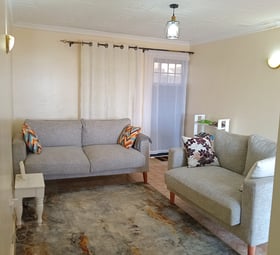
    At UCESCO Africa, we believe that where you stay is an important part of your volunteer experience. Our volunteer accommodation is designed to provide a safe, comfortable, and welcoming environment where you can relax, connect, and feel at home.

    Volunteers stay in a cozy, shared volunteer house located within a friendly and secure community. The house offers a warm, family-like atmosphere, giving you the opportunity to build meaningful connections with fellow volunteers from around the world.

    Rooms are shared (typically 2–4 people per room with your own bed) and are furnished with comfortable beds, clean bedding, and secure storage for your belongings. Separate arrangements can be made for couples, families, or those requesting additional privacy.

    You will enjoy freshly prepared, home-cooked meals, offering a mix of local Kenyan cuisine and familiar international dishes. Special dietary needs can be accommodated with prior notice.

    The house includes:

    • Clean shared bathrooms with running water
    • A comfortable common lounge area for relaxing and socializing
    • Access to Wi-Fi
    • Laundry services or facilities
    • 24/7 support from our local team

    Located within accessible distance to project sites, the accommodation allows for easy daily commutes while also giving you a chance to experience authentic local life and culture.

    Above all, our accommodation is more than just a place to stay — it’s a space where friendships are formed, stories are shared, and your volunteer journey truly comes to life.

    Food & Beverages

    We understand that good food is an essential part of a comfortable and enjoyable volunteer experience. At UCESCO Africa, we ensure our volunteers are well-nourished with fresh, delicious, and culturally enriching meals throughout their stay.

    Volunteers are provided with two meals per day:

    • Breakfast – Light and energizing (tea, coffee, bread, eggs, fruits, cereals

    • Dinner – Warm, home-cooked meals enjoyed together at the volunteer house

    Meals are prepared by our experienced local cooks using fresh, locally sourced ingredients.

    Our menu offers a blend of traditional Kenyan dishes and familiar international meals. Volunteers will have the opportunity to enjoy local favorites such as:

    • Ugali (maize meal staple)

    • Rice and beans

    • Chapati

    • Fresh vegetables and stews

    • Seasonal tropical fruits

    We also incorporate simple international options to ensure comfort and variety.

    We strive to accommodate dietary needs whenever possible, including:

    • Vegetarian

    • Vegan

    • Gluten-free (limited availability)

    👉 Volunteers are encouraged to inform us in advance of any dietary restrictions or allergies so we can make appropriate arrangements.

    💧 Drinking Water & Beverages

    • Safe, filtered or bottled drinking water is provided at all times

    • Tea and coffee are available daily

    • Fresh juices or seasonal beverages may be served occasionally

    🍴 Dining Experience

    Meals are more than just food—they are a time to:

    • Connect with fellow volunteers

    • Share cultural experiences

    • Build friendships in a warm and welcoming environment

    🛒 Eating Out & Extras

    On weekends or free time, volunteers are welcome to explore local restaurants and try a wider variety of Kenyan cuisine at their own cost.

    Internet Access

    Good access at the project site
    You don't have to pay anything yet

    What's NOT included?

    What's NOT included?

    Flight Tickets

    The nearest airport is Jomo Kenyatta International Airport (NBO) in Nairobi. We assist you to find cheap flights to Kenya. FIND CHEAP FLIGHTS

    Travel Insurance

    Going abroad is an adventure and it is always best to be prepared. Sudden illness or injury, cancellation or theft - a travel insurance for Kenya provides security and is a plus to have. GET A QUOTE

    Vaccines

    If you are intending to volunteer in Kenya you should seek medical advice before starting your social journey. Check your required vaccinations for Kenya. VACCINE CHECKER

    Details on arrival

    Preparation for Arrival
    Engaging in volunteer work in Kenya through our organization promises to be an exciting and transformative experience. You will have the opportunity to connect with new friendships and confront various challenges, all while immersing yourself in a different culture. To fully benefit from this experience, it is advisable to ensure that you are adequately prepared, both physically and mentally.
    Transportation
    "'Matatus''  is our local name, meaning public transport vehicles which serve as the predominant mode of public transport in Kenya. After spending a few days acclimating to your surroundings, you may wish to explore the local area, visit supermarkets, or access ATMs. Additionally, public transport may be necessary to reach your placement project. During your initial days, a member of the Kenyan team will accompany you until you feel comfortable navigating the routes independently. In Nairobi, Minbus and Matatus are widely used and often feature vibrant decorations, including neon lights and sound systems, they are affordable and enjoyable ways to travel. Alternatively, you may choose to utilize the Uber or Bolt applications for taxi services. These platforms are prevalent in Nairobi and are particularly safe for newcomers who may be unfamiliar with local pricing and destinations; thus, using Uber is highly recommended. If you wish to stop somewhere after arriving at the airport before being picked up by our team, consider using the Uber or Bolt app. Relying on Local taxis without knowledge of bargaining may result in inflated fares. When utilizing public transport, whether as a volunteer or a local, be mindful of the potential for pickpocketing due to crowded conditions. It is advisable to avoid carrying valuables or large amounts of cash. For longer journeys, we suggest coordinating travel arrangements with the Kenyan team, who can provide transportation in a private vehicle or van.
    Availability
    Jan Feb Mar Apr May Jun Jul Aug Sep Oct Nov Dec

    Program Fees

    $347 per week 4 - 50 weeks Age 14 - 50+

    Payment methods

    Visa Master Card Maestro American Express PayPal

    NO CREDIT CARD FEES


    Duration

    4 - 50 weeks

    Deposit

    Reserve your spot with just a few clicks and a small, secure deposit. You can pay by credit card, PayPal, or other convenient methods.


    Final Payment

    You’ll agree on the final payment method with your local organization during the application process. This final payment is only due closer to the start of your trip.

    You don't have to pay anything yet

    4.77
    151 reviews

    Location

    Africa > Eastern Africa > Kenya > Nairobi

    Meet your project coordinator

    Kingsley
    151
    reviews
    4.77
    Brilliant
    2010
    Founded

    Verified

      Very high response rate
    Spoken languages: English
    Travel safely by using Volunteer World for your communication and bookings. This way, you can benefit from the Flex Option, Refund Guarantee, and Resolution Support.

    You might also be interested in

    Contact Kingsley
      Very high response rate
    English

    Most volunteers ask about


    Do you have any more questions? Send a message to Kingsley
    Please don't share personal contact details for your privacy

    Travel dates

    1. - 1. Jan 1

    Book with Flex Option!

    Choose new departure dates or change to a different volunteer program at no extra costs within 12 months.

    Complete Support for Every Volunteer

    This helps us run our platform and offer essential services like Comprehensive Support, Refund Guarantee, Flex Option without rebooking costs, and Price-Guarantee. This includes VAT.

    Price details