Community Development Program:
Madagascar Research and Conservation Institute’s Community Development Program consistently strives to improve the lives and living conditions of the people in our communities. We achieve this by maintaining existing community infrastructures and building much needed new facilities.
Each project undertaken by MRCI is carefully planned and sanction by the community leaders. The key focus of each project is the development of infrastructures where the entire community benefit as a whole. Running water and sanitation issues are addressed as well as educational facilities which afford students the opportunity to receive an education in a functional classroom environment.
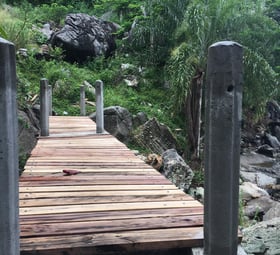
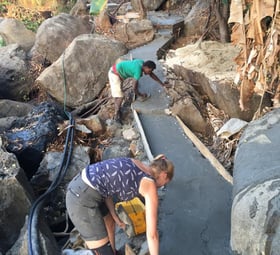
The absence of roads and motorised vehicles on Nosy Komba means that the local inhabitants face the daily challenge of crossing near impassable terrain to reach other nearby villages. Rainy season makes many of these routes even more difficult to negotiate. We assist communities by identifying these areas and building pathways and bridges to make these precarious routes easier to navigate. This also allows tourists to access these villages and we are currently devising a strategy to assist the community to attract more tourists.
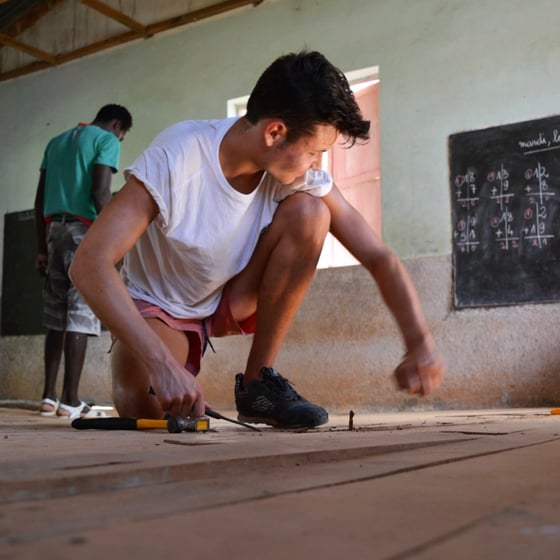
Once the projects have been identified and approved by MRCI and the community leaders, work begins with MRCI sponsoring a portion of the funds required. Volunteers assist not only with the physical labour required to complete the projects, but also with initiating additional fundraising campaigns. These fundraising efforts are invaluable, without which we would not be able to achieve our goals. A seemingly small contribution can make a noteworthy difference.
All our building materials are locally sourced and purchased from local suppliers. Volunteers work alongside the community members using traditional building methods. A healthy positive attitude is all that is require to participate in this program and is needed to overcome the many challenges faced in developing these communities. The reward is in knowing that you have made a significant impact in a community that will embrace you as one of their own.
Assisting communities through building and construction will lay a foundation that will encourage the local community to continue with your efforts after your volunteer work abroad has come to an end.
Madagascar is currently among the 10 poorest countries in the world. Join MRCI’s Community Development program and make a real difference.
Age: Our volunteers range in age from 18 to retirees and everyone in between, though most are in their early to mid-twenties.
Number of Volunteers: MRCI’s research centre at Turtle Cove can accommodate up to 54 volunteers at a time across all programs. There are usually between 5 and 10 volunteers participating in the Community Development Conservation program at any given time.
Languages Spoken: All program staff and volunteers must be able to speak, write and understand English. Our program staff and volunteers come from all over the world and speak a myriad of other languages in additional to English. Locally, our operations staff and the people of Madagascar speak Malagasy and some French. Volunteers have the chance to attend free Malagasy lessons offered on camp and learn more about the language and culture in this beautiful country.
Essential info: Volunteers are expected to have their own health insurance. Vaccinations are not typically required to enter Madagascar, however this may vary depending on your travel path. We recommend consulting a travel doctor about vaccinations and medications. Recommended vaccinations for Madagascar include: yellow fever, tetanus, Hepatitis A, Hepatitis B, typhoid, and rabies.
In addition, we recommend carrying preventative agents with you including sun screen, after sun lotion, mosquito repellent, re-hydration supplements, anti-malarial medications, and anything else recommended by your doctor. There is access to good, fairly priced medical care here in country if needed. Due to the hot, humid climate, it is incredibly important to drink enough water. We have filtered drinking water available on camp; just be sure to bring a good reusable bottle.
Volunteers receive:
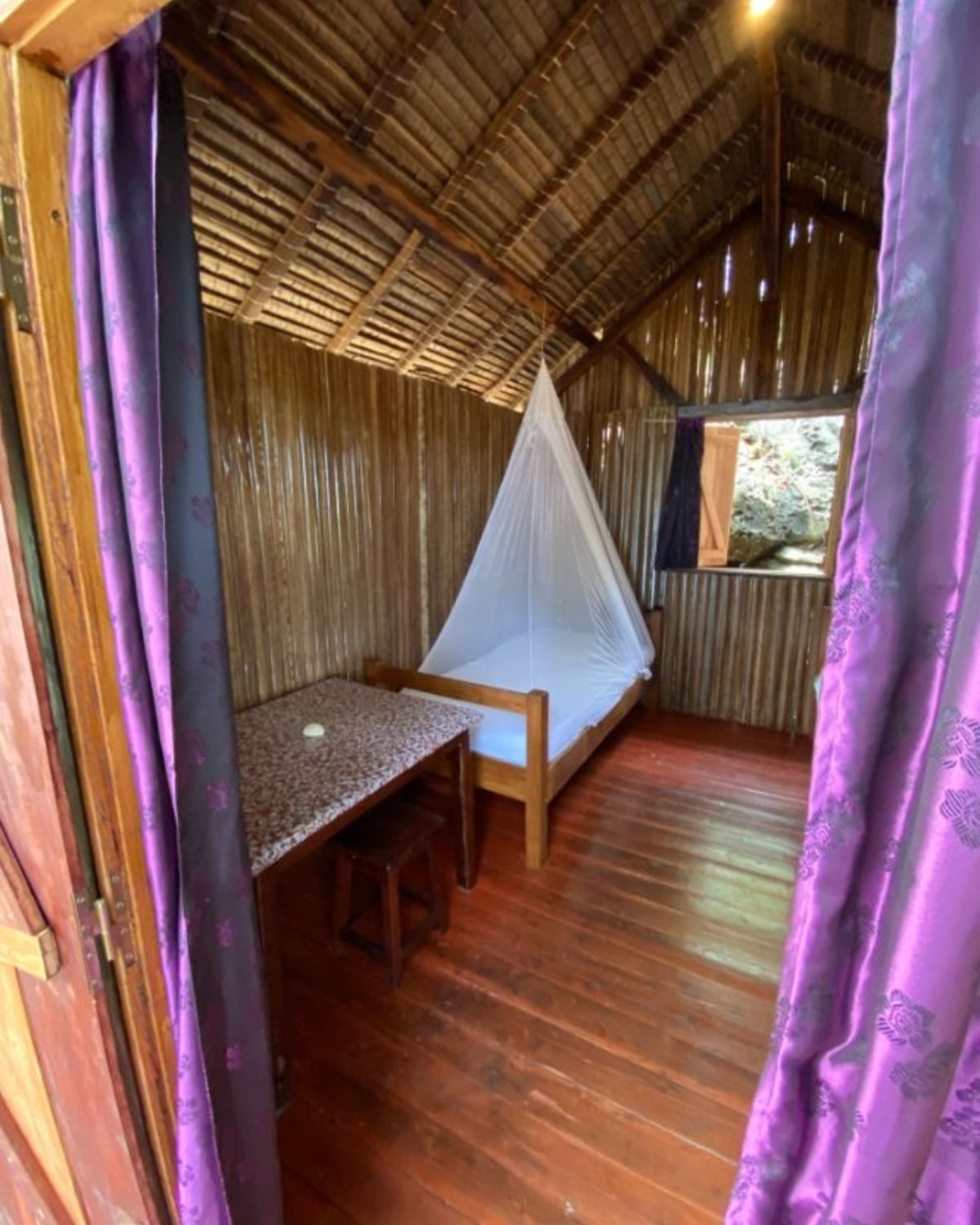
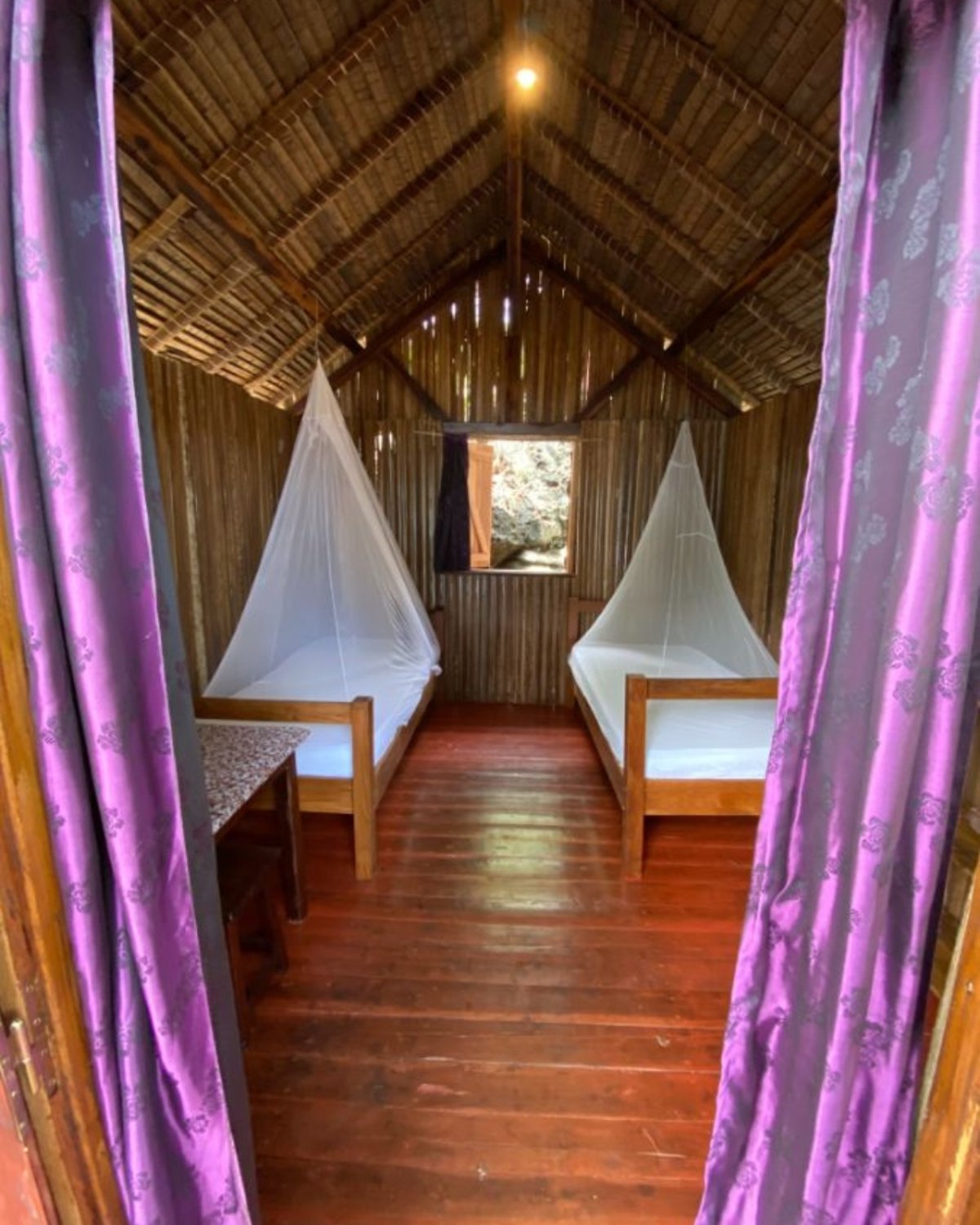
- Sleeping accommodations for the duration of their volunteer time
- Three meals per day, seven days per week on camp
- Supervision and training by staff
- Building Materials
- Tools
Insurance: Volunteers are expected to purchase their own health insurance.
Not Included: - Flights
- Visa costs
- Personal items
Currency: In Madagascar the official currency is the Malagasy Ariary (MGA), which can only be exchanged in Madagascar. There are a number VISA ATMs located in Hellville which volunteers can draw cash from. We do however advise that you bring some Euro’s along with you
Passport and Visa: All visitors require visas and a one to three month single entry visa may be obtained on arrival at the airport. We do recommend you check with the Consulate General as visa requirements can change at any time. A passport valid for 6 months after date of return is required. Please ensure you have at least two blank pages available in your passport before commencement of travel.
VISAS 30-Day visa: 35 Euros / 37 USD 60-day visa: 40 Euros / 45 USD
Most nationalities can get a visa upon arrival at the airport in Madagascar or the Madagascar embassy in the country of departure. You can purchase either a 30 or 60-day visa. There are no ATMs or credit card facilities at the airports so you will need to bring enough cash to pay for your visa when you land. The visa costs are as follows: * Visas may be extended to 90 days for $75 once in-country Due to its structure, this program is classified as a tourist trip. Volunteers participate on a project for three months or less, work an average of three to five hours daily (not full-time), and do not receive any pay or free accommodation/meals in compensation for work. That qualifies these types of trips as “tourist” trips, therefore, we recommend you select “tourism” as your reason for travel on your visa. Other visa types may be available, however, they are often unnecessary, expensive and time-consuming.
Internet: Wi-Fi is not available on camp, however there is Wifi access in the neighbouring village of Ampang, about a half hour hike from camp. Volunteers will also have access to Wifi over the weekends either in Ampang village or on the Neighbouring Island of Nosy Be.
Laundry: A hand washing laundry station is provided on camp with a clean water tap, concrete work surface for scrubbing, and buckets. Volunteers will need to purchase their own laundry soap (available on neighbouring Nosy Be) and can either do their own washing, or pay one of the local kitchen or care taker staff to do it for them. Typically, it costs 10,000 MGA per bag of laundry, plus soap.
What to bring along:
- Personal Items - Essential Items for all Volunteers
- Lightweight waterproof rain jacket
- T-shirts/vests
- Light long-sleeved sweatshirt/ jumper/ fleece
- Trousers (suitable for going into the forest)
- Shorts
- Underwear
- Swimming costume/bikini/board shorts
- Sunhat
- Sunglasses
- Walking boots or good trainers /sneakers
- Flip-flops
- Day pack (waterproof)
- Dry bag/ziplock bags that will keep items dry
- Lightweight single person mosquito net
- Cotton sleeping bag liner and/or single sheet & pillow case.
- Sleeping bag if coming in the cooler months (June-August)
- Towel or sarong
- Toiletries (soap, shampoo, razor, tampons, toothpaste, toothbrush)
- Sunscreen (water-resistant, preferably biodegradable)
- Insect repellent
- Head torch (with rechargeable batteries)
- Photocopy of passport, travel insurance details, dive qualifications (if relevant) and other important travel documents
- Debit card/credit card
- Spending money
- Solar Panel Charger
- Personal Medical Kit (example items: Anti-malarial tablets; Paracetamol / Ibuprofen; Antihistamine pills / cream; Rehydration tablets / sachets; Immodium; Multivitamins; Antiseptic cream or spray; Motion sickness pills if prone; Bandage / Plasters; Dressings / Micropore tape; After sun lotion or gel;
Optional Items for all Volunteers:- Battery pack (to use in conjunction with your solar panel)
- Mobile phone (you can buy a local SIM card for around US$10)
- A padlock to secure personal items
- Laptop/iPad/iPhone
- Camera (waterproof)
- Books
- Water bottle
- Sarong
- A nice set of clothes if you want to go out for dinner or dancing
- Rash vest
- Talcum powder
- Treats/food difficult to get in Madagascar
- Travel guide (many volunteers find Lonely Planet to be very helpful for preparation and once they are in Madagascar)
HEALTH CONDITIONS We kindly request that all volunteers inform our volunteer coordinator and senior staff of any health conditions, mental illnesses, disabilities, or other relevant information that may affect their participation in camp activities. Please be assured that any such information will be kept strictly confidential. It is important for us to have this information to ensure that we provide fair treatment and ensure your safety during your stay on camp.
MOBILE PHONES Volunteers can bring their mobile phones and purchase a local SIM card and credit for calling and data upon arrival. If their phone’s SIM is locked, they have the option of purchasing a local phone. This is great for keeping in touch with local staff, other volunteers and loved ones at home. Once you have purchased a SIM card and data package, you can access the internet via cell service in most places on Nosy Be and Nosy Komba, including camp. With enough credit loaded on, you can make both domestic and international calls. The country code for calling Madagascar is +261.
ELECTRICAL APPLIANCES The most common type of wall plug in Madagascar is the typical European rounded twoprong plug (Type C) and the rounded two-prong plug with a hole for the male grounding pin (Type E). The voltage is 20V and the frequency is 50Hz.


 ·
·