Login

Select travel dates to see prices

Excellent 4.80rating (45)

Megafauna Research & Wildlife Monitoring

location
1 - 24 weeks  ·  Age 17 - 50+
Verified

Highlights

  • Learn from experts in conservation — Live and work alongside seasoned conservation professionals who have pioneered behavioural-based wildlife management.
  • Between giants — Mountain peaks of the Drakensberg escarpment to your west & the vast Kruger to your east, this incredible conservation frontier hosts some of Africa's best megafauna concentrations.
  • Study megafauna —Animals over 45kg and play important physical roles in ecosystems, understand their behaviour: from stealthy leopards that hide in tree’s to the imposing elephants that topple them.

Highlights

  • Learn from experts in conservation — Live and work alongside seasoned conservation professionals who have pioneered behavioural-based wildlife management.
  • Between giants — Mountain peaks of the Drakensberg escarpment to your west & the vast Kruger to your east, this incredible conservation frontier hosts some of Africa's best megafauna concentrations.
  • Study megafauna —Animals over 45kg and play important physical roles in ecosystems, understand their behaviour: from stealthy leopards that hide in tree’s to the imposing elephants that topple them.
  • Make difference — Research helps protect endangered species and empower science, informing policy or management techniques to help sustain the ecological health of the reserve.
  • Discover an incredible location — Weekend & free-time offer pathways to explore the wild landscapes: waterfall hikes, canyon views, baobab tree forests or river cruises - make the most of it!

  • You don't have to pay anything yet

    Especially good for

    Age 17+
    Singles
    Couples
    Families
    Groups
    50+

    About the program

    Join a remote research camp to monitor & study elephants, lions, wild dogs, rhino & other animals on a reserve near the Kruger National Park and Blyde River Canyon.

    About the program
    Join a remote research-camp lifestyle on a large wildlife reserve sandwiched between the Kruger National Park and Blyde river canyon, two biodiversity strongholds. Work directly with keystone megafauna species such as elephants, lions, wild dogs, buffalo, rhinos, hyenas, cheetahs ...

    About the program

    About the program
    Join a remote research-camp lifestyle on a large wildlife reserve sandwiched between the Kruger National Park and Blyde river canyon, two biodiversity strongholds. Work directly with keystone megafauna species such as elephants, lions, wild dogs, buffalo, rhinos, hyenas, cheetahs and leopards. This is ideal for university students on placement, travellers seeking meaningful wildlife experience, or budding conservationists wanting hands-on field research.

    The reserve spans around 25,000 hectares and is a vast and immersive landscape of river valleys, savannah, bushveld and towering rocky outcrops. Discover it all as you search for protected or studied species and support practical conservation in South Africa.

    About the team
    Work as a key member of a team of reserve ecologists, research experts and professional safari guides. 

    Although having an existing understanding of ecology, animal behaviour or conservation is useful, we're not expecting everyone joining us to have had direct experience working with African wildlife... passion and a willingness to learn is the main requirement for joining these projects! 

    You'll receive training and guidance in to all aspects of the projects, as well as broader context and insights into research techniques, results and practical methodologies, equipment usage as well as critical environmental and animal behaviour understanding needed for the success of projects. 

    About your role
    You'll be expected to take part in the regular and ongoing research projects happening on the reserve, each project has specific methodologies, considerations or equipment required to locate, observe, record and analyse target species of megafauna successfully. 

    From supporting the deployment of specialist equipment, inputting data and results from findings in field, mapping or locating specific sights of interest related to the protection and understanding of endangered or research focused species to processing and analysing information back at camp. 

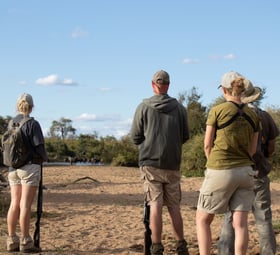
    This role will expect you to take part physically on foot as well as via vehicle as you support research, monitoring, field-data collection, analysis and habitat management.

    Projects volunteers will support
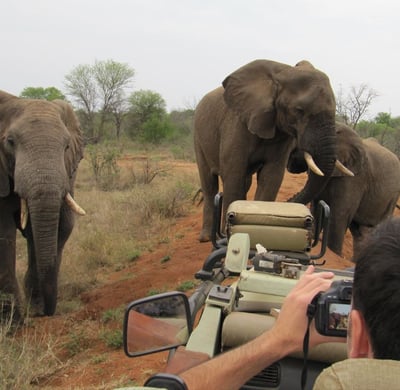
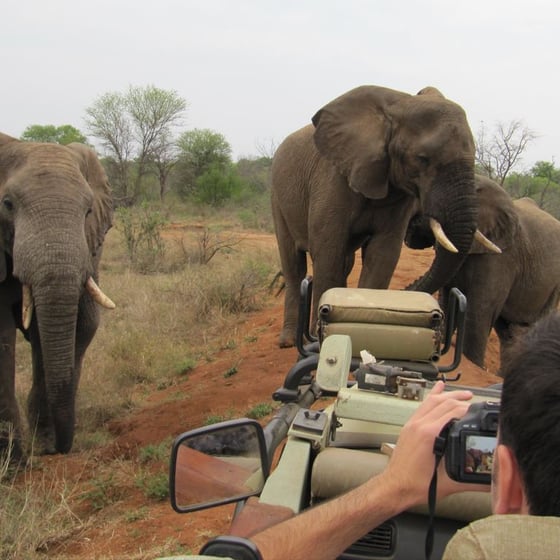
    Elephant behavioural research and management – Join the reserve that hosts the oldest studied elephant contraceptive program, this program and research is essential for the future management of this complex and social species – track and monitor movements in real time using traditional techniques and with GPS/VHF telemetry equipment.

    Lion monitoring & research – as the environments apex predator, the effects and role lion have in an ecosystem is critical for maintaining balance and health, track pride or individual territory, how the use the environment, predator prey preferences, individual identification and heath monitoring.

    Wild dog monitoring and protection – wild dog are Africa’s most endangered predator, due to the behaviour of the animal and their need to roam vast distances (encountering anthropogenic challenges) wild dog need additional support and priority to student, protect and rewild populations. Help with identifying den sites, following collared individuals, recording movements and range.

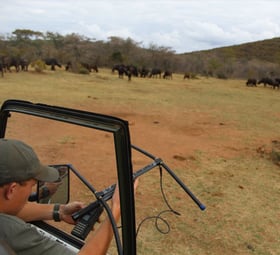
    Buffalo monitoring – Large herds of large bulk grazing buffalo have a dramatic effect on habitat, controlling plant populations or encouraging seed dispersal or soil health, take part in herd counts, body condition monitoring, movement, or even research their ecological role.

    Hyena research – with a population of both brown and spotted hyena, these animals act not just as a scavenging clean-up crew essential for preventing disease outbreaks, but actively hunt prey.  Track and search for den site location and scavenging vs hunting trends as well as gathering data relating to individual identification or movements.   

    Rhino monitoring & protection – with a population of both black and white rhino on the reserve, help track their movements and provide security support through monitoring and to protect against poachers.

    Cheetah & leopard research – these big cats have different roles and effects in their ecosystem, selectively targeting various species of herbivore from the size of birds up to antelope. Record hunting success, competition with other species, camera-trap work and surveying.  

    Habitat management – as part of ongoing conservation efforts, help support the environment in an active role, remove and target invasive species of plant, bush control to encourage biodiversity or fire mitigation, even soil and erosion control.

    Project requirements and equipment
    These research and conservation projects are long standing, with all scientific methods and ethics agreed and defined. 

    With your requirement of a willingness to learn, get a bit mucky and dirty and passion and empathy to support wildlife conservation actively, you'll have everything provided. 

    Prior to arrival we'll support you with kit lists and what to bring, but this will be limited to personal items such as binocular, note pads or outdoor appropriate clothing and shoes.  

    All equipment required for projects will be supplied onsite. 


    Typical day

    The research camp is based in the remote regions of this reserve, from here you’ll launch yourself into the surrounding area to locate targeted species as part of ongoing research.

    Work hours:
    Most mornings during project days you’ll begin early, after a quick breakfast or light snack, the final ...

    Typical day

    The research camp is based in the remote regions of this reserve, from here you’ll launch yourself into the surrounding area to locate targeted species as part of ongoing research.

    Work hours:
    Most mornings during project days you’ll begin early, after a quick breakfast or light snack, the final grabbing and preparation of equipment you’ll head out via vehicle or on foot.

    Starting typically around 7am although this can vairy depending on the time of year, if you need to drive a long way on the reserve to begin your research at a set site, or even the movements of animals themselves.

    Project leaders will brief you earlier in the week with any start times or return times to camp.

    If you are heading out a full day of project work or monitoring around the reserve, you might bring packed lunches with you, otherwise, it will be back to camp for lunches and to escape the heat during midday.

    During afternoons or evenings, you will often go out to search for species again and record data as they become more active, even staking out watering holes at sunsets.

    Although the exact weekly routine changes to cover each project, the weekly structure is based on a Tuesday to Saturday work week, with Monday being the arrival/departure day and town trip, and Sunday being the full free and off day to either relax back at camp or travel into the wider area.


    Free-time activities

    The Kruger National Park and Blyde River Canyon region are home to incredible activities and areas to explore, you could head out on a day trip deep into the country sized Kruger National Park, explore nearby cave systems, microlight flights, join a river and boat cruise down the blyde canyon, ...

    Free-time activities

    The Kruger National Park and Blyde River Canyon region are home to incredible activities and areas to explore, you could head out on a day trip deep into the country sized Kruger National Park, explore nearby cave systems, microlight flights, join a river and boat cruise down the blyde canyon, head out to hike mountain or some of the various temperate rainforests nestled in the mountain and cliff edges… to many options to list!

    In this wildlife haven, there’s also various local communities you could visit, from animal sanctuaries, rescues operations, community development initiatives or wildlife art galleries, this area is home to a deep and thriving conservation commitment.   

    Volunteers and students typically like to share these activities together during free time, but we’ll be able to help suggest and organize any options based on group dynamics or interest


    Requirements

    Requirements

    Minimum Age: 17 years

    In order to join the program you need to be at least 17 years old on the program start date.

    Language Skills

    You need to speak English (basic level)

    Nationality Restrictions

    No restrictions. Helping hands from all over the world are welcome.

    Time Commitment

    Your helping hand will be required on Tuesday, Wednesday, Thursday, Friday and Saturday from 07:00 - 16:00

    What's Included

    What's Included

    On-site Services

    The placement includes:

    • Airport transfers to and from the reserve
    • Accommodation during your stay
    • Transportation and guides for all confirmed excursions and group activities
    • Food and drink (excluding any personal extras)
    • All itinerary/activity equipment is provided
    • Conservation projects and activities
    • 24-hour emergency onsite support

    Airport Pickup at Hoedspruit Airport

    Meeting point | Hoedpsuirt Airport
    We meet all volunteers on Mondays at Hoedspruit Airport (Sometimes called East Gate Airport), South Africa.

    There, we'll pick you up and transfer you to the reserve, a 1 - 2 hour drive. On route you'll have time to stop of at the shops for any last-minute supplies like snacks or drinks.

    Most international arrivals will have to first land in Johannesburg at O.R Tambo Airport, from there you’ll be able to take one of the several domestic flights to Hoedspruit airport each day.

    For volunteers that want to arrive or departure in Johannesburg and overnight to ahead of any connecting domestic flight to Hoedspruit, we can support with accommodation suggestions around O.R Tambo Airport.

    Departure point
    You'll be taken back to Hoedspruit airport at the end of your placement. 

    Please make sure plan any flights from Johannesburg at night if flying on the same day.

    Please wait until after we’ve confirmed your place via a deposit and our team has reach out to discuss meeting times and locations before booking any flight.


    Accommodation

    Main camp
    You’ll be staying in a remote field and research camp.

    There are various buildings and rooms around the camp site itself, including shared kitchens, dining facilities and communal or social areas as well as toilets. You’ll have access to all of these and share them in a group setting.

    The majority of volunteers and students this placement vary between 5 – 20 students at any one time, this highly international community hosts people from various backgrounds all united in support of wildlife, conservation and adventure.

    Kitchens and cooking facilities
    Although all food and drink is provided in this placement, you will likely be expected to cook and support with the running and maintenance of kitchen facilities shared by all.

    Bedrooms and sleeping arrangementS
    You'll be staying in same sex sharing dorm rooms or shared double rooms in a bungalow or hostel environment, each rooms comes equipped with all the essentials needed for you to be comfortable and active in this environment, beds, cupboard space, electrical outlets for charging, study or desk area and fans.

    For more private rooms, for couples or individuals wanting a bit more space there are private rooms available with this placement.

    Please contact us directly if you would prefer to arrange private accommodation.

    Food & Beverages

    Food and drink when onsite
    When on the reserve both at camp during breakfasts and dinners, or traveling out and taking a packed lunch with you, all food will be required for project work and activities. 

    There are regular food orders that come into camp often, you'll be able to give your feedback and suggestions to camp managers to order in and purchase specific meals you craving. 

    Meals will take the form of common and universally approved dishes from roasts, to curries, stews or pasta dishes as well as more tried and tested South Africa favourites. 

    When not cooking in the western and equipped kitchen facilities, you can enjoy a meal on a camp fire outside. 

    Vegitarians and vegans
    Vegetarian and veganism is very common in the animal community, there’s always vegetarian alternatives and ingredients available at camp.

    Food and drink (not on site)
    When not on the reserve, such as optional weekend trips into town or local restaurants and sites of interest, these meals aren’t included in the cost of your placement.

    Any optional meals or activities will need to be purchased by volunteers.


    Internet Access

    Good access at the project site
    You don't have to pay anything yet

    What's NOT included?

    What's NOT included?

    Flight Tickets

    The nearest airport is Hoedspruit Airport (HDS) in Hoedspruit. We assist you to find cheap flights to South Africa. FIND CHEAP FLIGHTS

    Travel Insurance

    Going abroad is an adventure and it is always best to be prepared. Sudden illness or injury, cancellation or theft - a travel insurance for South Africa provides security and is a plus to have. GET A QUOTE

    Vaccines

    If you are intending to volunteer in South Africa you should seek medical advice before starting your social journey. Check your required vaccinations for South Africa. VACCINE CHECKER

    Details on arrival

    Starting dates
    This placement is available year-round, arrive and depart on Mondays and stay for a period of 1 week to 24 weeks.

    The starting and ending date for this placement is every Monday, during Monday's volunteers will be able to travel into the local town of Hoedspruit to access local shops, supermarkets, restaurants and other amenities.

    Volunteers will be able to travel to and from the local meeting and collections points of Hoedspruit Airport or the local coach stations (for volunteers traveling in South Africa already).

    There are multiple flights traveling from Hoedspruit Airport to the major international airport of O.R Tambo International airport in Johannesburg each day, Hamba Africa will be able to support and plan any transport arrangements in South Africa or connection flights to arrive to and depart from this placement effectively on any start or end dates, however, we cannot book any flights for you directly. 

    Starting point
    Hoedspruit Airport (East Gate Airport) or Coach station

    Ending point
    Hoedspruit Airport (East Gate Airport) or Coach station

    We can also support with any private transport requirements to support getting to site either from non-typically services coach or flight routes, as well as for volunteers that have to depart on set days outside of Monday. 

    Availability
    Jan Feb Mar Apr May Jun Jul Aug Sep Oct Nov Dec

    Program Fees

    $1,015 per week 1 - 24 weeks Age 17 - 50+

    Payment methods

    Visa Master Card Maestro American Express PayPal

    NO CREDIT CARD FEES


    Duration

    1 - 24 weeks

    Deposit

    Reserve your spot with just a few clicks and a small, secure deposit. You can pay by credit card, PayPal, or other convenient methods.


    Final Payment

    You’ll agree on the final payment method with your local organization during the application process. This final payment is only due closer to the start of your trip.

    You don't have to pay anything yet
    4.8
    Top Pick
    One of the top picks on Volunteer World, according to travelers

    Location


    Meet your project coordinator

    Harry
    45
    reviews
    4.80
    Excellent
    2019
    Founded

    Verified

      Moderate response rate
    Travel safely by using Volunteer World for your communication and bookings. This way, you can benefit from the Flex Option, Refund Guarantee, and Resolution Support.

    You might also be interested in

    Contact Harry
      Moderate response rate

    Most volunteers ask about


    Do you have any more questions? Send a message to Harry
    Please don't share personal contact details for your privacy

    Travel dates

    1. - 1. Jan 1

    Book with Flex Option!

    Choose new departure dates or change to a different volunteer program at no extra costs within 12 months.

    Complete Support for Every Volunteer

    This helps us run our platform and offer essential services like Comprehensive Support, Refund Guarantee, Flex Option without rebooking costs, and Price-Guarantee. This includes VAT.

    Price details