Login

Select travel dates to see prices

Excellent 4.80rating (45)

Pioneering Wildlife & Ecological Research

location
2 - 12 weeks  ·  Age 18 - 50+
Verified

Highlights

  • Pioneering research - The centre is backed by over 10 international universities, you’ll work to this scientific standard. An incredible opportunity for anyone serious about a career in conservation.
  • On foot and via vehicle – Slow it down with on foot surveys or K-9 anti-poaching patrols or via vehicle to cover more ground. Gain detailed insights and understanding as you explore the bush.
  • Understand animal behaviour – working with rhino, giraffe, hyena and other species safely and ethically as you build your knowledge and confidence living with iconic African wildlife.

Highlights

  • Pioneering research - The centre is backed by over 10 international universities, you’ll work to this scientific standard. An incredible opportunity for anyone serious about a career in conservation.
  • On foot and via vehicle – Slow it down with on foot surveys or K-9 anti-poaching patrols or via vehicle to cover more ground. Gain detailed insights and understanding as you explore the bush.
  • Understand animal behaviour – working with rhino, giraffe, hyena and other species safely and ethically as you build your knowledge and confidence living with iconic African wildlife.
  • New equipment and methodologies – from biological sampling for laboratory analysis to camera trap surveying, there are many pioneering techniques you’ll support and learn.
  • Explore South Africa – we know you want to explore South Africa as well as support conservation. On weekends and included in your placement are adventure days for you and the other volunteers.

  • You don't have to pay anything yet

    Especially good for

    Age 18+
    Singles
    Couples
    Groups
    50+

    About the program

    Support a leading field research centre in South Africa. Backed by universities, a unique opportunity to take part in scientific investigation & practical conservation.

    This program is focused on leading wildlife and conservation research techniques as well as practical habitat management.

    Volunteers will support these projects both practically and in field as well as with backoffice data inputting and analysis.

    Focused on conservation, sustainable development and ...

    About the program

    This program is focused on leading wildlife and conservation research techniques as well as practical habitat management.

    Volunteers will support these projects both practically and in field as well as with backoffice data inputting and analysis.

    Focused on conservation, sustainable development and wildlife research.


    Projects and research you'll support during your program:

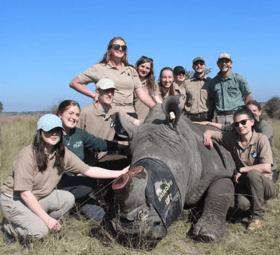
    Rhino research and hormone monitoring
    White and black rhino across Southern Africa increasingly rely on dehorning to remove the risk of poaching, although this humane procedure does no harm to the rhino physically, it does involve serious veterinary intervention and requires the animal to be anaesthetised. 

    Stress is an important factor in health, this pioneering research project is looking at the hormone levels of rhino in response to dehorning as a conservation procedure. Regularly monitor the rhinos movements, record their location and help with the sampling of dung and other biological materials for later analysis in a lab to monitor hormone levels over time.

    Camera trap surveys and brown hyena research
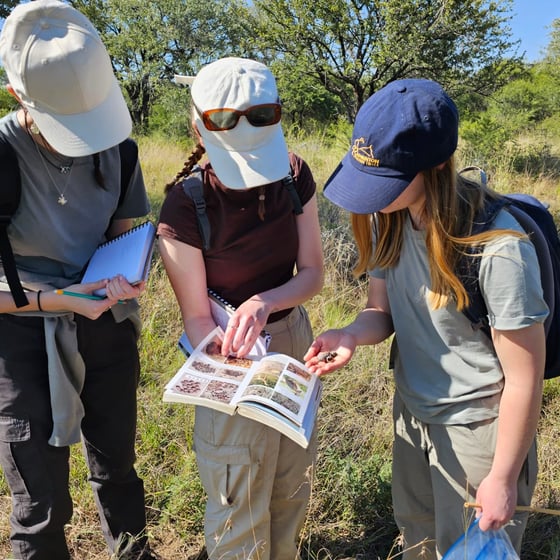
    Camera traps are valuable tool for any ecologist or animal behaviourist. You'll learn how to select sites for camera trap placement based on your understanding of the animals behaviour deploying and collecting the equipment routinely. During this program, you'll focus on brown hyena using camera traps to target this rare and endangered species.

    You'll also support with analysing the camera trap footage itself, supporting new scientific methods of individually identifying brown hyena based on unique features on the animal such as coat pattern or features.

    K-9 anti-poaching patrols
    Explore and patrol the reserve on foot in the company of the reserves anti-poaching team, the anti-poaching team relies on trained dogs to detect signs and smells of unauthorised people on the reserve.

    Most poaching in Southern Africa is via snares and other traps, although these are only rarely found on the reserve, it still relies on you and other volunteers regularly patrolling to remove these snares and ensure poachers are discouraged from setting them. These patrols are also a great opportunity to explore the bush on foot, looking at smaller animals or plants missed on vehicle.

    Wetland bird monitoring
    The reserve is a vital habitat for many bird species, including seasonal migrants. Once a month, volunteers and researchers as a team will go to the various permanant water sources and habitats on the reserve to survey and record the species of birds sighted.

    This surveying and monitoring work is critical for understanding population trends in birds based on climate change, habitat change or otherwise as a measurement for biodiversity. With over 350 species of birds found on the reserve, you'll quickly build your skills confidence with sighting and recording findings.

    Nocturnal species surveying
    For nocturnal species, once the sun has set this is only when their day begins. From volunteers and students comfortable with joining the nocturnal team of researchers, you'll support ongoing nocturnal surveys for a chance to record vital data to understand the lives of these more secretive and seldom seen species.

    From Leopard, Aardvark, Porcupines, Hyena, Caracal or even the common Scrub Hare, these animals are equally important as day time species and need greater scientific research.

    Tree and vegetation surveys
    Support ongoing PhD and research projects in understanding the reserves vegetation and ecosystem health, vegetation is the basis of any food chain, use established and new habitat management techniques to record the composition and structure of the vegetation, food availability for herbivores or even manage and remove fire risk.

    You'll also be able to understand what species of plant and vegetation are present on the reserve and how they preform vital functions to ensure its rich and varied biodiversity.

    Emergency vet work and callouts
    As part of ethical reserve management in South Africa, particular with endangered species such as rhino, regular veterinary work is essential for ensuring animals are healthy. This could be regular dehorning on the rhino, to vaccination work or even responding to emergencies.


    Typical day

    The camp is located on the heart of the 4,700 hectare reserve and where you will start and end your daily work.

    When not out in the field, you'll be back at camp reviewing findings and inputting data into the various scientfic research projects.

    Work hours
    Full time Monday to Friday, with weekends ...

    Typical day

    The camp is located on the heart of the 4,700 hectare reserve and where you will start and end your daily work.

    When not out in the field, you'll be back at camp reviewing findings and inputting data into the various scientfic research projects.

    Work hours
    Full time Monday to Friday, with weekends off for rest or for a chance to take part in optional activities in the area or days out.

    You’ll start most days between 7 – 8am. Ensuring you beat the heat of and are up when the animals are most active, the morning. Due to the reserves size, you’ll bring lunch with you to eat in the bush.

    Each day your research leaders and ecologists will brief you with the details of each conservation project. You’ll understand the goals, methodologies and history of the projects and as a team, begin capturing data, observing and recording animal behaviour or assisting during animal interventions, feeding or vet work and how you will be contributing.

    By the end of your placement you’ll have a deep familiarity of cutting edge wildlife research and ecological management in South Africa!


    Free-time activities

    During weekends or any off-time, as a group you'll be able to decide which of the nearby activities you'll like to take part in. From exploring national parks and the breathtaking landscapes that makeup South Africa to visiting near by animal or wildlife centers, rural communities or heading into ...

    Free-time activities

    During weekends or any off-time, as a group you'll be able to decide which of the nearby activities you'll like to take part in. From exploring national parks and the breathtaking landscapes that makeup South Africa to visiting near by animal or wildlife centers, rural communities or heading into town to do a bit of souvenir shopping.

    Planned weekend activities are included in the cost of your program.


    Requirements

    Requirements

    Minimum Age: 18 years

    In order to join the program you need to be at least 18 years old on the program start date. There might be exemptions if you can provide the permission of your legal guardian(s) or if your are accompanied by your parents.

    Language Skills

    You need to speak English (intermediate level)

    Education Requirements

    environment, ecology, zoology, geography, science, biology, research, analytics, zoology at Highschool level

    Required Documents

    CV or Cover Letter

    Nationality Restrictions

    No restrictions. Helping hands from all over the world are welcome.

    Other Skills

    Don't panic! Although a background in ecologic, conservation or animal behaviour is advantageous, you'll receive full training with each of our projects.

    Time Commitment

    Your helping hand will be required on Monday, Tuesday, Wednesday, Thursday and Friday from 07:30 - 15:30

    What's Included

    What's Included

    On-site Services

    We have taken care of all the details so you can focus on the adventure of a lifetime!

    The placement includes:

    • Airport transfers to and from the reserve
    • Accommodation during your stay
    • Transportation and guides for all confirmed excursions and group activities
    • Food and drink (excluding any personal extras)
    • Entry for any visits to external sites
    • All itinerary/activity equipment is provided
    • Optional extras on weekend
    • Wi-fi access
    • Conservation projects and activities
    • Meet and greet event in the UK
    • Fellow volunteer contact list, to be sent out prior to departure
    • 24-hour emergency onsite support
    • 100% financial security with your booking

    Airport Pickup at O.R. Tambo International Airport

    Starting point
    OR Tambo International Airport

    We'll collect you from the airport. The drive to camp is approximately 3 - 4 hours, on the route you'll have a chance to pick up any last minute supplies or toiletries you need from the shop. Ahead of joinining us, we'll arrange multiple calls with all volunteers to ensure they are confident with their travel plans and if you need any support making arrangments such as visa's or travel insurance.

    Ending point
    You'll be taken back to OR Tambo International Airport. For anyone staying in South Africa, we're happy to help arrange custom transportation or an alternative drop of location.

    Booking flights
    You'll need to arrive in the morning (before 9am) of any scheduled start date.

    Similarly returning flights will be needed to be scheduled at fixed times (after 9pm).

    Accommodation

    You'll be staying in glamping-style cabins.
    • Furnished with beds, storage space for clothing, fans during the summer and electrical sockets to charge phones, cameras, and laptops.
    • These cabins make for an immersive experience, fall asleep with the sound of hyena calling just meters away from outside the camp edge. These cabins are same-sex and you'll share these with your team mates during busy periods or if you come in quieter times of the year, you'll have a cabin all to yourself. For those traveling as a group or as a couple, you're able to request to bunk and stay with any travel companion.
    The camp
    You will stay in a remote bush camp, secluded at the heart of the reserve and the African bush. There, you'll live and work alongside your fellow volunteers, biomonitoring-officers and guides.

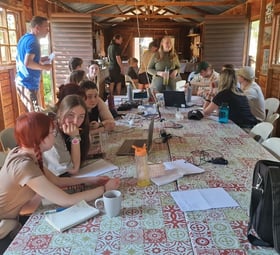
    There is a communal area, where your guides will work with you each day to help plan which conservation activities you'll participate in, and when. Furnished with plenty of hangout spots and relaxation areas, you'll be able to relax and socialize together in your downtime. 

    Food & Beverages

    All food and drink is included. The communal kitchen is where you'll take turns cooking meals, when the guides aren't treating you to a traditional BBQ (or braai, as it is locally known). These are common social occurrence and take place outside.

    We typically arange cooking duties in teams of twos or three. For those not confident in cooking, Your team leaders will be able to offer extra support.

    During weekends or trips into town, you're able to pick up any extra's you can't do without. Major international brands are available in the nearest town so you can pick up things like snacks and drinks.

    Internet Access

    Good access at the project site
    You don't have to pay anything yet

    What's NOT included?

    What's NOT included?

    Flight Tickets

    The nearest airport is O.R. Tambo International Airport (JNB) in Johannesburg. We assist you to find cheap flights to South Africa. FIND CHEAP FLIGHTS

    Travel Insurance

    Going abroad is an adventure and it is always best to be prepared. Sudden illness or injury, cancellation or theft - a travel insurance for South Africa provides security and is a plus to have. GET A QUOTE

    Vaccines

    If you are intending to volunteer in South Africa you should seek medical advice before starting your social journey. Check your required vaccinations for South Africa. VACCINE CHECKER

    Details on arrival

    Our placements run regularly throughout the year.

    Typically, you'll arrive and depart on the weekend but some flexibility around when works best for you to start.

    Meeting point
    We meet all volunteers at O.R Tambo International Airport, Johannesburg South Africa.
    There, we'll pick you up and transfer you to the reserve, a 3 - 4 hour drive. On route you'll have time to stop of at the shops for any last minute supplies like snacks or drinks.

    Departure point
    You'll be taken back to O.R Tambo airport at the end of your placement.

    Return flights are schedule to leave O.R Tambo airport after 9pm

    Arriving in South Africa
    We schedule all volunteers to land in the morning of their start day, meaning landing in South Africa before 9am.

    This is to ensure that even with flight delays, we're able to get you back to camp in daylight.

    We give any confirmed volunteer joining us a welcome call where we will discuss your flight times ahead of you booking them.

    Availability
    Jan Feb Mar Apr May Jun Jul Aug Sep Oct Nov Dec

    Program Fees

    $873 per week 2 - 12 weeks Age 18 - 50+

    Payment methods

    Visa Master Card Maestro American Express PayPal

    NO CREDIT CARD FEES


    Duration

    2 - 12 weeks

    Deposit

    Reserve your spot with just a few clicks and a small, secure deposit. You can pay by credit card, PayPal, or other convenient methods.


    Final Payment

    You’ll agree on the final payment method with your local organization during the application process. This final payment is only due closer to the start of your trip.

    You don't have to pay anything yet
    4.8
    Top Pick
    One of the top picks on Volunteer World, according to travelers

    Location


    Meet your project coordinator

    Harry
    45
    reviews
    4.80
    Excellent
    2019
    Founded

    Verified

      Moderate response rate
    Travel safely by using Volunteer World for your communication and bookings. This way, you can benefit from the Flex Option, Refund Guarantee, and Resolution Support.

    You might also be interested in

    Contact Harry
      Moderate response rate

    Most volunteers ask about


    Do you have any more questions? Send a message to Harry
    Please don't share personal contact details for your privacy

    Travel dates

    1. - 1. Jan 1

    Book with Flex Option!

    Choose new departure dates or change to a different volunteer program at no extra costs within 12 months.

    Complete Support for Every Volunteer

    This helps us run our platform and offer essential services like Comprehensive Support, Refund Guarantee, Flex Option without rebooking costs, and Price-Guarantee. This includes VAT.

    Price details