



















































































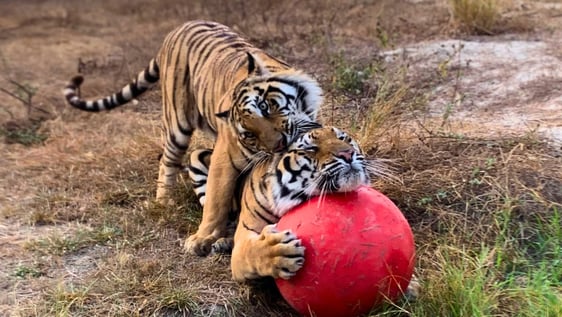


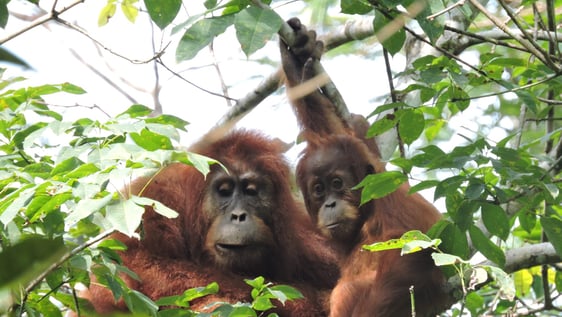

- Around 1.6 billion people depend on forests for their livelihood. This includes some 70 million indigenous people
- Forests are home to more than 80 per cent of all terrestrial species of animals, plants and insects
15
Life On Land
Protect, restore and promote sustainable use of terrestrial ecosystems, sustainably manage forests, combat desertification, and halt and reverse land degradation and halt biodiversity loss
 Activities
 Animal
 Bird Conservation
 Wildlife Conservation
 Monkey Conservation
 Sloth Sanctuary
 Americas
 Central America
 Costa Rica
Three-toed Sloth
Costa Rica
Three-toed Sloth
 Hotspots
 Parrot
 Animal Sanctuary
 Leopardus Conservation
 Vegan
Vegan
 Ocelot
 Elephant Conservation
 Rhino Conservation
 Macaw
Macaw
 Africa
 Antelope Conservation
Two-toed Sloth
Antelope Conservation
Two-toed Sloth
 Planting Trees
 Lion Conservation
 Waste Reduction
 Reptile Conservation
 Bear Conservation
 Southern Africa
 Howler Monkeys
 Families with small kids
 South Africa
 Southwest African Lion
 Giraffe Conservation
Black Rhino
Kinkajou
Giraffe Conservation
Black Rhino
Kinkajou
 Anti Poaching
 Sea Turtle Conservation
 White Rhino
 Asia
Asia
 African Elephant
 Crocodile
 African Leopard
 Leopard Conservation
 South East Asia
 Bush Elephant
 Capuchin Monkey
 Cockatoo
 Plastic Reduction
 Animal Shelter
Masai Giraffe
Animal Shelter
Masai Giraffe
 Spider Monkey
 Cheetah Conservation
 Environment
 Marmoset
 Jaguar Conservation
 Europe
Mexican Jaguar
Europe
Mexican Jaguar
 Tapir Conservation
Tapir
Tapir Conservation
Tapir
 Kangaroo Conservation
 Dog
Dog
 Horse
Horse
 Green Sea Turtle
 South African Cheetah
 Conservation Work
 Tiger Conservation
 Intern Abroad
 Southern Giraffe
Bengal Tiger
Southern Giraffe
Bengal Tiger
 Veterinary Training
 Zebra Conservation
 Toucan
 Kruger National Park
 Macaque
 Hyena Conservation
Iguana
Hyena Conservation
Iguana
 Spotted Hyena
 Squirrel Monkey
 Beach Cleaning
 Eastern Africa
 Reforestation
 Thailand
 Street Animals
 Kudu
Kudu
 Buffalo Conservation
 African Buffalo
 Impala
 Ocean Cleaning
 South America
 Indonesia
 Yoga
Yoga
 Tamarin
 Leatherback Turtle
 Primate Conservation
 Asian Elephant
 National Park
 Safari
 Baboon
 Eagle
Eagle
 Oceania
 Australia and New Zealand
 Australia
 Common Warthog
Warthog Conservation
Common Warthog
Warthog Conservation
 Kangaroo
 Caracal Conservation
 Premium
 Mountain Zebra
 Bali
Black Wildebeest
Bali
Black Wildebeest
 Northern Europe
 Southern Europe
 Meerkat Conservation
 Meerkat
 Wallaby
 Caracal
 Koala
Koala
 Koala Conservation
 Anteater Conservation
 Possum Conservation
Possum
Possum Conservation
Possum
 Bushbuck
 Iceland
 Peru
Peru
 Limon
Limon
 Wombat Conservation
 Wombat
Silky Anteater
Wombat
Silky Anteater
 Zimbabwe
Sun Bear
Zimbabwe
Sun Bear
 Plains Zebra
Masai Lion
Plains Zebra
Masai Lion
 Ecological Farming
Horse Trekking
West African Lion
Ecological Farming
Horse Trekking
West African Lion
 Amazon Rainforest
Eland Antelope
Amazon Rainforest
Eland Antelope
 Otter Conservation
 Scouts
 GVI Alternatives
Springbok
Horse Conservation
GVI Alternatives
Springbok
Horse Conservation
 Cats
Cats
 Spain
Spain
 Plant Conservation
Mangrove
Plant Conservation
Mangrove
 North America
 Jackal Conservation
Black-backed Jackal
Jackal Conservation
Black-backed Jackal
 Canada
 Hippo Conservation
South African Hippo
Hippo Conservation
South African Hippo
 Northwest African Cheetah
Natural Horsemanship
Northwest African Cheetah
Natural Horsemanship
 Cusco
Cusco
 Madagascar
 Great Apes Conservation
Asiatic Black Bear
Great Apes Conservation
Asiatic Black Bear
 Nosy Komba
 Gibbon
 Southern Asia
 Civet
Civet Conservation
Civet
Civet Conservation
 Marine Life
 Owl
Owl
 Hawksbill Turtle
 Sri Lanka
Lorise
Sri Lanka
Lorise
 Eurasian Otter
 African Wild Dog Conservation
 Orangutan
 Wildcat Conservation
 Spanish Courses
 Language Course
 Greece
 Hiking
 Vervet Monkey
 Tortoise Conservation
 Namibia
 Mongoose
 Mongoose Conservation
 Bilbao
Ostrich
Alligator
Bilbao
Ostrich
Alligator
 Lemur
Lemur
 Brazil
 Community
Cape Wild Dog
Community
Cape Wild Dog
 Bangkok
 Sumatra
 Construction
 Agriculture
Dusky Leaf Monkey
Genet
Agriculture
Dusky Leaf Monkey
Genet
 Manatee
 Conservation
Manatee
Manatee Conservation
 Giant Otter
 Marine Conservation
 Ecuador
 Honey Badger
Badger Conservation
Honey Badger
Badger Conservation
 Diving
 Windhoek
 Volunteer and Travel
 Voluntourism
 Giant Tortoise
 Elephant Research
 Crete
Crete
 Coral Reef
 Horse Sanctuary
 Tanzania
 Iquitos
 Queensland
 Butterfly Conservation
 Insect Conservation
 Cambodia
 Diving certificate
 Borneo
 Grey Wolf
 Wolf Conservation
 Philippines
Giant Anteater
Philippines
Giant Anteater
 British Columbia
 PADI Divemaster
East African Wild Dog
PADI Divemaster
East African Wild Dog
 Olive Ridley Turtle
Northern Giraffe
Olive Ridley Turtle
Northern Giraffe
 Malaga
 Eastern Europe
 Chameleon
Bush Baby
Chameleon
Bush Baby
 Hungary
 Kenya
Kenya
 Thessaloniki
Woolly Monkey
Serval
Thessaloniki
Woolly Monkey
Serval
 United Kingdom
 Chiang Mai
 Husky
Husky
 Galapagos
 Arusha
Galápagos Tortoise
Arusha
Galápagos Tortoise
 Coffee
 Eastern Asia
 Music
Volunteer World Group Trip
Music
Volunteer World Group Trip
 Tenerife
 Mongolia
 Zanzibar
 Norway
 Chania
 Spur-thighed Tortoise
 Chile
Chile
 Cape Town
 Western Africa
Flatback Turtle
Western Africa
Flatback Turtle
 Duiker
 Surfing
 Victoria Falls
 Photography Internship
 Malaysia
 Elusive Pangolin
Pangolin Conservation
Elusive Pangolin
Pangolin Conservation
 Ghana
Ghana
 Loggerhead Turtle
Asian Wildcat
Loggerhead Turtle
Asian Wildcat
 Reykjavik
 Chimpanzee
African Wildcat
Chimpanzee
African Wildcat
 Turkey
 Western Asia
 Athens
 Tasmania
 Tasmanian Devil
 Conservation
Sea Otter
Tasmanian Devil
Tasmanian Devil Conservation
Sea Otter
 Binturong
 Conservation
Binturong
Binturong Conservation
 Koh Samui
Songbird
Desert Elephant
Koh Samui
Songbird
Desert Elephant
 Nyala
Nyala
 Indian Elephant
Blue Wildebeest
Indian Elephant
Blue Wildebeest
 Waterbuck
 Blesbok
Mona Monkey
Blesbok
Mona Monkey
 Kilimanjaro
 Serengeti
 Patas Monkey
Brown Hyena
Patas Monkey
Brown Hyena
 Sri Lankan Elephant
European Wildcat
Sri Lankan Elephant
European Wildcat
 Scotland
 Sugar Glider Conservation
Sugar Glider
Pantanal Jaguar
Proboscis Monkey
Sugar Glider Conservation
Sugar Glider
Pantanal Jaguar
Proboscis Monkey
 Italy
Italy
 Wales
Wales
 Bat Conservation
Bat
Bat Conservation
Bat
 Monastery
 Ecological Building
 Barcelona
 Laos
Laos
 United States Of America
Harnas
United States Of America
Harnas
 Nepal
Nepal
 Middle Africa
 Cameroon
 Gorilla
 Portugal
 Falcon
 Nosy Be
 Hawaii
 Colombia
 Guatemala
Brown Bear
Guatemala
Brown Bear
 Mexico
Sumatran Tiger
Construction Internship
Mexico
Sumatran Tiger
Construction Internship
 Salsa Lessons
Indian Rhino
Salsa Lessons
Indian Rhino
 Port Elizabeth
 Transvaal Lion
 Oaxaca
 Plettenberg Bay
Yellow Footed Amazon Tortoise
Plettenberg Bay
Yellow Footed Amazon Tortoise
 Bolivia
 Shark Conservation
Andean Bear
Shark Conservation
Andean Bear
 Uruguay
 Puerto Viejo
Oncilla
Puerto Viejo
Oncilla
 San Jose
 Social Work
 Leopard Shark
 Horse Therapy
 Dolphin Conservation
 Snorkeling
North American River Otter
Snorkeling
North American River Otter
 Energy and Water
 Quito
Quito
 Manuel Antonio
Peruvian Jaguar
Striped Hyena
Manuel Antonio
Peruvian Jaguar
Striped Hyena
 Building Schools
 Cape Verde
Amazon River Dolphin
Cape Verde
Amazon River Dolphin
 Hua Hin
 Indigenous cultures
 Puerto Escondido
 Sweden
 Caribbean
 Soccer
 New Zealand
Margay
New Zealand
Margay
 Lisbon
 Botswana
 African Penguin
Penguin Conservation
African Penguin
Penguin Conservation
 Whale Conservation
 Cougar Conservation
Northern South American Cougar
Cougar Conservation
Northern South American Cougar
 Kathmandu
 Liberia
 Knysna
 Grenada
 Alaska
 Dominican Republic
 Mombasa
 NGO Support
 Marketing and IT
 Whale Shark
 Swaziland
 Ireland
 Romania
 Palawan
 Seoul
Seoul
 South Korea
Southern Tamandua
South Korea
Southern Tamandua
 India
India
 Kolkata
 Florida
 Machu Picchu
 Kumasi
 Porto
Poland
Porto
Poland
 Zambia
 Split
Split
 Croatia
 Argentina
 Buenos Aires
 Antigua
Humpback Dolphin
Antigua
Humpback Dolphin
 Orca
Long-beaked Common Dolphin
Orca
Long-beaked Common Dolphin
 Great White Shark
 Humpback Whale
Fin Whale
Brydes Whale
Humpback Whale
Fin Whale
Brydes Whale
 Bottlenose Dolphin
 Southern Right Whale
 Paraguay
 Tubulidentata Conservation
 Aardvark
 Rwanda
 Musanze
Leopard Cat
Musanze
Leopard Cat
 Puerto Jimenez
 Fiji
Fiji
 Melanesia
 Caiman
Black-and-white Colobus
Caiman
Black-and-white Colobus
 Sloth Bear
Siamang
Sloth Bear
Siamang
 NGO Management
 Nairobi
 Beehive
Bee Conservation
Beehive
Bee Conservation
 Education
 Whitetip Reef Shark
 Gambia
 Midwifery Internship
 Nursing Internship
 Physical Therapy Internship
 Ubud
Ubud
 Primary School
 Easter Island
 Rome
Rome
 Malawi
Indochinese Tiger
Malawi
Indochinese Tiger
 Mozambique
 Deer Conservation
 Accra
Flamingo
Accra
Flamingo
 Tanzanian Cheetah
 Youth Teaching
Deer
Youth Teaching
Deer
 Lake Titicaca
 Medical Training
Turtle Conservation in Asia
Water Buffalo
Medical Training
Turtle Conservation in Asia
Water Buffalo
 Dental Internship
 Blacktip Reef Shark
 Vietnam
 Healthcare
 Panama
 Hammerhead Shark
Cordoba
Hammerhead Shark
Cordoba
 Guyana
Malawi Batis
Guyana
Malawi Batis
 Bocas del Toro
Livingstone Flycatcher
Bocas del Toro
Livingstone Flycatcher
 Jaipur
 Volleyball
Annapurna
Volleyball
Annapurna
 Morocco
 Amur Tiger
 Bali Starling
 Side-striped Jackal
European Brown Bear
Side-striped Jackal
European Brown Bear
 Golden Jackal
 Northern Africa
African Black Eagle
Northern Africa
African Black Eagle
 Honduras
Grants Gazelle
Honduras
Grants Gazelle
 Delhi
Delhi
 East African Hippo
Costa Rican Cougar
East African Hippo
Costa Rican Cougar
 Himalaya
 Jamaica
Khumbu
Jamaica
Khumbu
 Everest Trekking

15
Life On Land
Protect, restore and promote sustainable use of terrestrial ecosystems, sustainably manage forests, combat desertification, and halt and reverse land degradation and halt biodiversity loss
Life On Land
Forests cover 30 per cent of the Earth's surface and in addition to providing food security and shelter, forests are key to combating climate change, protecting biodiversity and the homes of the indigenous population. Thirteen million hectares of forests are being lost every year while the persistent degradation of drylands has led to the desertification of 3.6 billion hectares.
Deforestation and desertification - caused by human activities and climate change - pose major challenges to sustainable development and have affected the lives and livelihoods of millions of people in the fight against poverty. Efforts are being made to manage forests and combat desertification.
What's the goal here?
To sustainably manage forests, combat desertification, halt and reverse land degradation, and halt biodiversity loss.
Facts & figures
Forests
Desertification
- 2.6 billion people depend directly on agriculture, but 52 per cent of the land used for agriculture is moderately or severely affected by soil degradation
- As of 2008, land degradation affected 1.5 billion people globally
- Arable land loss is estimated at 30 to 35 times the historical rate
- Due to drought and desertification each year 12 million hectares are lost (23 hectares per minute), where 20 million tons of grain could have been grown
- 74 per cent of the poor are directly affected by land degradation globally
Biodiversity
- Of the 8,300 Animal breeds known, 8 per cent are extinct and 22 per cent are at risk of extinction
- Of the over 80,000 tree species, less than 1 per cent have been studied for potential use
- Fish provide 20 per cent of Animal protein to about 3 billion people. Only ten species provide about 30 per cent of marine capture fisheries and ten species provide about 50 per cent of aquaculture production
- Over 80 per cent of the human diet is provided by plants. Only three cereal crops - rice, maize and wheat - provide 60 per cent of energy intake
- As many as 80 per cent of people living in rural areas in developing countries rely on traditional plant-based medicines for basic healthcare
- Micro-organisms and invertebrates are key to ecosystem services, but their contributions are still poorly known and rarely acknowledged
Why?
Forests cover nearly 31 per cent of our planet's land area. From the air we breathe, to the water we drink, to the food we eat-forests sustain us. Think about it. Around 1.6 billion people depend on forests for their livelihood. Almost 75 per cent of the world's poor are affected directly by land degradation. Did you know that forests are home to more than 80 per cent of all terrestrial species of animals, plants and insects? And of the 8,300 Animal breeds known, 8 per cent are extinct and 22 per cent are at risk of extinction. Biodiversity and the ecosystem services it underpins can also be the basis for climate change adaptation and disaster risk reduction strategies as they can deliver benefits that will increase the resilience of people to the impacts of climate change. Forests and nature are also important for recreation and mental well-being. In many cultures, natural landscapes are closely linked to spiritual values, religious beliefs and traditional teachings.
What would it cost to correct the problem?
The UN Forum on Forests Secretariat estimates that achieving sustainable forest management on a global scale would cost US$70-$160 billion per year. The Convention on Biological Diversity estimates that US$150-$440 billion per year is required to halt the loss of biodiversity at a global level by the middle of this century.
What would it cost if we don't correct the problem?
Biodiversity delivers multiple services from local to global levels, while responses to biodiversity loss range from emotional to utilitarian. For instance, insects and other pollen-carriers are estimated to be worth more than US$200 billion per year to the global food economy. Three-quarters of the top-ranking global prescription drugs contain components derived from plant extracts, which would be threatened. Natural disasters caused by ecosystems disrupted by human impact and climate change already cost the world more than US$300 billion per year. Deforestation and forest degradation results in loss of habitat for all species, a decrease in freshwater quality, an increase in soil erosion, land degradation and higher emissions of carbon into the atmosphere. In short, not taking action on forests impacts both the health of the planet and our communities.
What can we do?
Inevitably, we change the ecosystems we are a part of through our presence-but we can make choices that either affirm diversity or devalue it. Some things we can do to help include recycling, eating a locally-based diet that is sustainably sourced, consuming only what we need, and limiting energy usage through efficient heating and cooling systems. We must also be respectful toward wildlife and only take part in ecotourism opportunities that are responsibly and ethically run in order to prevent wildlife disturbance. Well-managed protected areas support healthy ecosystems, which in turn keep people healthy. It is therefore critical to secure the involvement of the local communities in the development and management of these protected areas.
Where are volunteer projects that need my help?






























































Discover related Sustainable Development Goals
The Sustainable Development Goals aim to end poverty, protect the planet, and ensure prosperity for all. As such, the 17 SDGs and its associated 169 targets do not stand alone, but are are interconnected. The key to success on one will involve tackling issues more commonly associated with another. If you are interested in supporting a cause addressing to the goal {sdg.name}, you might also be interested in the related goals No Poverty, Good Health And Well-Being, Clean Water And Sanitation, Decent Work And Economic Growth, Industry, Innovation And Infrastructure, Sustainable Cities And Communities and Responsible Consumption And Production.
Please visit the website of the United Nations to find out more about Goal 15 Life On Land and other Sustainable Development Goals.
Source: United Nations