






















































































Volunteer with animals abroad

 Activities
 Sea Turtle Conservation
 Bird Conservation
 Wildlife Conservation
 Monkey Conservation
 Americas
 Central America
 Sloth Sanctuary
 Costa Rica
 Waste Reduction
 Marine Life
 Hotspots
Three-toed Sloth
Hotspots
Three-toed Sloth
 Vegan
Vegan
 Animal Sanctuary
 Parrot
 Leopardus Conservation
 Ocelot
 Rhino Conservation
 Elephant Conservation
 Macaw
Macaw
 Africa
 Leatherback Turtle
 Green Sea Turtle
 Plastic Reduction
 Antelope Conservation
Two-toed Sloth
Antelope Conservation
Two-toed Sloth
 Southern Africa
 Families with small kids
 Lion Conservation
 Asia
Asia
 Bear Conservation
 South Africa
 Howler Monkeys
 Reptile Conservation
 Planting Trees
 Ocean Cleaning
 Olive Ridley Turtle
Black Rhino
Olive Ridley Turtle
Black Rhino
 Giraffe Conservation
 Southwest African Lion
Kinkajou
Southwest African Lion
Kinkajou
 Anti Poaching
 Hawksbill Turtle
 White Rhino
 African Elephant
 Scouts
 African Leopard
 Leopard Conservation
 Crocodile
 South East Asia
 Bush Elephant
 Shark Conservation
 Cockatoo
 Capuchin Monkey
 Europe
 Beach Cleaning
 Southern Europe
 Animal Shelter
 Loggerhead Turtle
Masai Giraffe
Loggerhead Turtle
Masai Giraffe
 Spider Monkey
 Cheetah Conservation
 Southern Asia
 Marmoset
 Sri Lanka
 Jaguar Conservation
Mexican Jaguar
Jaguar Conservation
Mexican Jaguar
 Horse
Horse
 Tapir
Tapir Conservation
Tapir
Tapir Conservation
 Diving
 Greece
 Kangaroo Conservation
 Coral Reef
 Dog
Dog
 Diving certificate
 South African Cheetah
 Whale Shark
 Tiger Conservation
 Southern Giraffe
Bengal Tiger
Southern Giraffe
Bengal Tiger
 PADI Divemaster
 Intern Abroad
 Veterinary Training
 Belize
 Kruger National Park
 Zebra Conservation
 Toucan
 Macaque
 Ray Conservation
 Hyena Conservation
Iguana
Hyena Conservation
Iguana
 Kefalonia
 Spotted Hyena
 Squirrel Monkey
 Indonesia
 Thailand
 Street Animals
 Yoga
Yoga
 Kudu
Kudu
 Impala
 Buffalo Conservation
 African Buffalo
 Tamarin
Eagle Ray
Tamarin
Eagle Ray
 Primate Conservation
 National Park
 Limon
Limon
 Asian Elephant
 Eastern Africa
 Volleyball
 Oceania
 Australia
 Australia and New Zealand
 Safari
 Bali
Kemps Ridley Turtle
Bali
Kemps Ridley Turtle
 Baboon
 Eagle
Eagle
 Kangaroo
 Caracal Conservation
 Mountain Zebra
Black Wildebeest
Mountain Zebra
Black Wildebeest
 Premium
 South America
 Meerkat
 Meerkat Conservation
 Wallaby
 Caracal
 Koala Conservation
 Koala
Koala
 Anteater Conservation
 Possum
 Conservation
Possum
Possum Conservation
 Bushbuck
 Wombat Conservation
 Wombat
Silky Anteater
Wombat
Silky Anteater
 Warthog Conservation
Common Warthog
Warthog Conservation
Common Warthog
 Zimbabwe
Sun Bear
Masai Lion
Zimbabwe
Sun Bear
Masai Lion
 Dolphin Conservation
Horse Trekking
West African Lion
Dolphin Conservation
Horse Trekking
West African Lion
 Plains Zebra
Natural Horsemanship
Eland Antelope
Plains Zebra
Natural Horsemanship
Eland Antelope
 Otter Conservation
Springbok
Horse Conservation
Otter Conservation
Springbok
Horse Conservation
 Cats
Cats
 North America
 Surfing
 Jackal Conservation
Black-backed Jackal
Jackal Conservation
Black-backed Jackal
 Canada
 GVI Alternatives
 Hippo Conservation
South African Hippo
Hippo Conservation
South African Hippo
 Whale Conservation
 Spain
Spain
 Northwest African Cheetah
 Peru
Peru
 Great Apes Conservation
Asiatic Black Bear
Great Apes Conservation
Asiatic Black Bear
 Gibbon
 Civet
Civet Conservation
Civet
Civet Conservation
 Owl
Lorise
Owl
Lorise
 African Wild Dog Conservation
 Orangutan
 Vervet Monkey
 Eurasian Otter
 Amazon Rainforest
 Namibia
 Tortoise Conservation
 Western Africa
 Wildcat Conservation
 Ghana
Ghana
 Mongoose
 Mongoose Conservation
 Bottlenose Dolphin
Ostrich
Bottlenose Dolphin
Ostrich
 Snorkeling
 Reforestation
 Language Course
 Spanish Courses
 Mangrove
Plant Conservation
Cape Wild Dog
Mangrove
Plant Conservation
Cape Wild Dog
 Bangkok
 Ecuador
 Madagascar
 Sumatra
Dusky Leaf Monkey
Sumatra
Dusky Leaf Monkey
 Queensland
Genet
Queensland
Genet
 Nosy Komba
 Great White Shark
 Manatee Conservation
Manatee
Manatee Conservation
Manatee
 Giant Otter
 Mako Shark
 Bilbao
 Badger Conservation
Honey Badger
Badger Conservation
Honey Badger
 Brazil
 Shark Tagging
 Northern Europe
 Windhoek
 Crete
Crete
 Giant Tortoise
 Hammerhead Shark
 Thresher Shark
 Sting Ray
 Ragged Tooth Shark
 Elephant Research
 Cusco
Cusco
 Horse Sanctuary
Flatback Turtle
Horse Sanctuary
Flatback Turtle
 Iquitos
 Galapagos
 Cambodia
 Butterfly Conservation
 Insect Conservation
Turtle Conservation in Asia
Insect Conservation
Turtle Conservation in Asia
 Hiking
 Borneo
 Wolf Conservation
 Grey Wolf
 Humpback Whale
Giant Anteater
Humpback Whale
Giant Anteater
 British Columbia
East African Wild Dog
Northern Giraffe
Blue Whale
British Columbia
East African Wild Dog
Northern Giraffe
Blue Whale
 Eastern Europe
 Malaga
Bush Baby
Malaga
Bush Baby
 Chameleon
 Hungary
 Kenya
Kenya
 Thessaloniki
 Leopard Shark
Woolly Monkey
Leopard Shark
Woolly Monkey
 Manta Ray
 Mozambique
Spinner Dolphin
Mozambique
Spinner Dolphin
 Common Dolphin
Serval
Common Dolphin
Serval
 African Penguin
Penguin Conservation
African Penguin
Penguin Conservation
 Great Barrier Reef
 Cairns
 Chiang Mai
 Husky
Husky
 Port Elizabeth
 Italy
Galápagos Tortoise
Italy
Galápagos Tortoise
 Eastern Asia
Volunteer World Group Trip
Eastern Asia
Volunteer World Group Trip
 Music
Music
 Tenerife
 Mongolia
Fin Whale
Mongolia
Fin Whale
 Norway
 Chania
 Spur-thighed Tortoise
 Cape Town
 Lemur
Lemur
 Duiker
 Tanzania
 United Kingdom
 Elusive Pangolin
Pangolin Conservation
Asian Wildcat
Elusive Pangolin
Pangolin Conservation
Asian Wildcat
 Reykjavik
 Iceland
 Chimpanzee
African Wildcat
Chimpanzee
African Wildcat
 Athens
 Tasmania
 Tasmanian Devil Conservation
Tasmanian Devil
Tasmanian Devil Conservation
Tasmanian Devil
 Arusha
Sea Otter
Arusha
Sea Otter
 Malaysia
Rissos Dolphin
Striped Dolphin
Malaysia
Rissos Dolphin
Striped Dolphin
 Binturong
 Conservation
Binturong
Binturong Conservation
 Koh Samui
Songbird
Atlantic Spotted Dolphin
Desert Elephant
Koh Samui
Songbird
Atlantic Spotted Dolphin
Desert Elephant
 Nyala
Blue Wildebeest
Nyala
Blue Wildebeest
 Mexico
 Blesbok
 Waterbuck
 Pilot Whales
 Sperm Whale
Mona Monkey
Sperm Whale
Mona Monkey
 Patas Monkey
Brown Hyena
Patas Monkey
Brown Hyena
 Indian Elephant
 Sugar Glider
 Conservation
Sugar Glider
Sugar Glider Conservation
 Blacktip Reef Shark
 Nepal
Proboscis Monkey
Nepal
Proboscis Monkey
 Orca
Orca
 Lanzarote
Long-beaked Common Dolphin
Lanzarote
Long-beaked Common Dolphin
 Wales
Wales
 Bat
Bat Conservation
Cuviers Beaked Whale
Bat
Bat Conservation
Cuviers Beaked Whale
 Victoria Falls
Humpback Dolphin
Victoria Falls
Humpback Dolphin
 Portugal
 Laos
Laos
 Southern Right Whale
Brydes Whale
Southern Right Whale
Brydes Whale
 United States Of America
Harnas
United States Of America
Harnas
 Gorilla
 Cameroon
 Middle Africa
 Falcon
 Chile
Chile
 Nosy Be
 Hawaii
 Whitetip Reef Shark
 Maldives
Brown Bear
Sumatran Tiger
Maldives
Brown Bear
Sumatran Tiger
 Colombia
 Salsa Lessons
Indian Rhino
Salsa Lessons
Indian Rhino
 Transvaal Lion
 Grey Reef Shark
 Oaxaca
 Guatemala
 Fiji
Fiji
 Melanesia
 Plettenberg Bay
 Kathmandu
Yellow Footed Amazon Tortoise
Andean Bear
Kathmandu
Yellow Footed Amazon Tortoise
Andean Bear
 San Jose
 Bolivia
 Horse Therapy
North American River Otter
Horse Therapy
North American River Otter
 Manuel Antonio
Peruvian Jaguar
Sei Whale
Manuel Antonio
Peruvian Jaguar
Sei Whale
 Azores
False Killer Whale
Striped Hyena
Azores
False Killer Whale
Striped Hyena
 Montenegro
 Barcelona
 Cape Verde
 Hua Hin
 Zanzibar
 Puerto Viejo
Short-beaked Common Dolphin
Puerto Viejo
Short-beaked Common Dolphin
 Puerto Escondido
Sweden
Puerto Escondido
Sweden
 Nicaragua
 Quito
Quito
 Soccer
Margay
Soccer
Margay
 Albania
 Botswana
 Sri Lankan Elephant
 Cougar Conservation
Northern South American Cougar
Cougar Conservation
Northern South American Cougar
 Indigenous cultures
 Liberia
 Knysna
 Alaska
 Caribbean
 Dominican Republic
 Lisbon
 Mombasa
 Ecological Farming
 Northern Africa
 Egypt
Egypt
 Romania
 Ireland
 Elderly Care
 Working with Seniors
 South Korea
 Seoul
Seoul
 India
India
 Kolkata
 Florida
 Machu Picchu
 Gili Islands
 Porto
Porto
 Philippines
 Palawan
Poland
Palawan
Poland
 Zambia
 Croatia
 Split
Split
 Argentina
 Buenos Aires
 Kumasi
 Paraguay
 Tubulidentata Conservation
 Aardvark
Leopard Cat
Aardvark
Leopard Cat
 Caiman
 Puerto Jimenez
Black-and-white Colobus
Puerto Jimenez
Black-and-white Colobus
 Sloth Bear
Siamang
Sloth Bear
Siamang
 Antigua
Amazon River Dolphin
Antigua
Amazon River Dolphin
 Lombok
 Gambia
Alligator
Indochinese Tiger
Gambia
Alligator
Indochinese Tiger
 Tanzanian Cheetah
 Deer
Deer Conservation
Deer
Deer Conservation
 Accra
Accra
 Lake Titicaca
Minke Whale
Lake Titicaca
Minke Whale
 Beehive
 Building Schools
Water Buffalo
Southern Tamandua
Building Schools
Water Buffalo
Southern Tamandua
 Malawi
Oncilla
Malawi
Oncilla
 China
China
 Guyana
Bee Conservation
Guyana
Bee Conservation
 Serengeti
Cordoba
Serengeti
Cordoba
 Nursing Internship
 Vietnam
 Jaipur
 Bali Starling
European Brown Bear
Bali Starling
European Brown Bear
 Amur Tiger
 Pelagic Shark
 Golden Jackal
Pantanal Jaguar
Golden Jackal
Pantanal Jaguar
 Rome
Rome
 Side-striped Jackal
 Ubud
Ubud
 Morocco
African Black Eagle
Morocco
African Black Eagle
 Rio de Janeiro
Flamingo
Rio de Janeiro
Flamingo
 Panama
 Delhi
Delhi
 Honduras
 French Polynesia
 Polynesia
Costa Rican Cougar
Polynesia
Costa Rican Cougar
 Jamaica



















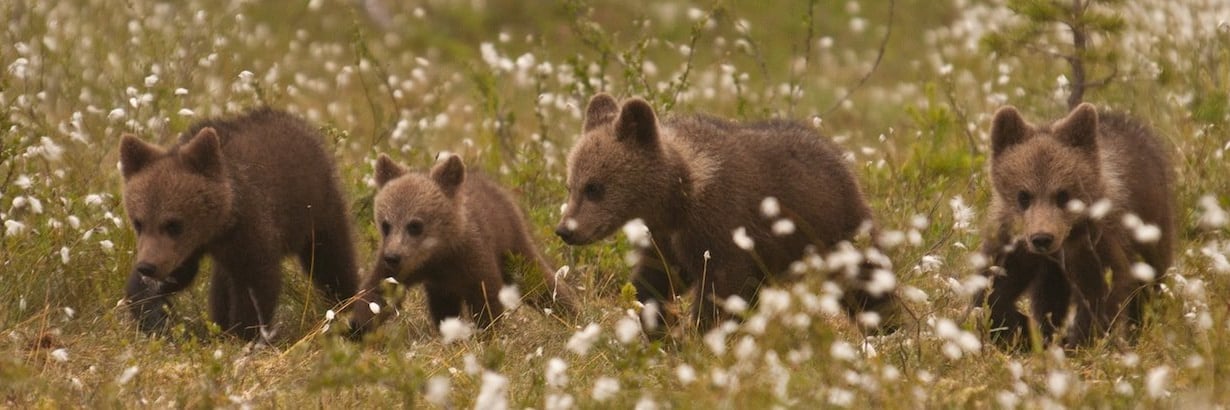
How to volunteer with animals
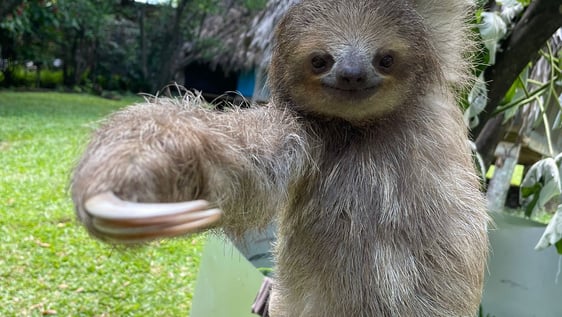
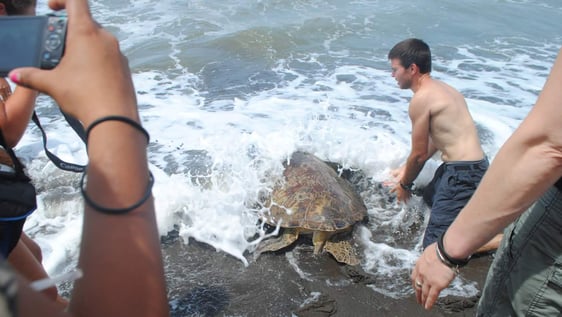
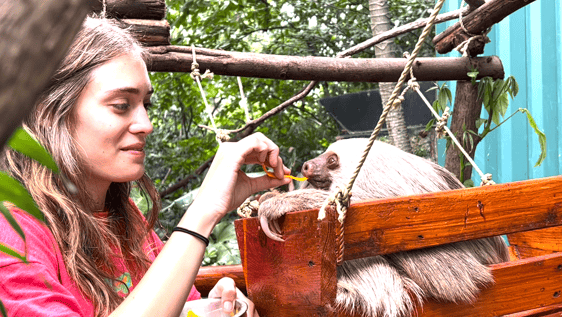
Volunteering with animals abroad isn’t an ordinary trip – it’s a heart-led adventure. You leave your comfort zone and become part of something bigger: on the beach with hatching sea turtles, in the rainforest with curious monkeys, on the African savannah with elephants, or at an animal shelter where every helping hand counts. If you’re driven by biology, veterinary medicine, or simply a love for animals, an animal welfare project is your thing.
You’ll collect more than memories: real, structured experience in animal care, field research, data collection, safety and hygiene protocols, and community workshops. Many participants report that direct contact with animals and on-site teams reshapes their sense of responsibility — and they return home with clear skills (e.g., monitoring methods, wildlife first aid, data quality, leading small tasks).
Why animal welfare volunteering abroad makes sense
Your work makes a tangible difference: you protect nests, care for injured animals, collect data for research, restore habitats, and educate communities about conservation. Along the way, you build life skills — teamwork, resilience, responsible animal work, intercultural communication — and add points for university, training, or your gap year.
More importantly, your contribution turns global problems like habitat loss, pollution, or poaching into concrete tasks you help solve. Big challenges become graspable because you’re part of the solution. You’ll see protection measures working: marked nests increase hatch success, good enrichment reduces stress in rehab, and clean datasets improve management decisions in protected areas.
What to expect in animal volunteering: schedule, ethics & safety
- Workload & rhythm: early starts, heat/humidity, shift work (e.g., night patrols for sea turtles ). A realistic day’s output beats “hero actions.”
- Animal contact & ethics: observe, care, document — no selfies or cuddling/handling. Especially with elephants and primates like orangutans : distance is animal welfare.
- Weather & safety: rainy season = muddy tracks, dry season = dust & sun. Strictly follow protocols for hygiene (e.g., footbaths), heat stress, and tool safety.
- Data quality: clean entries (time, GPS, method) are often more valuable than “one more observation” — quality > quantity.
Types of animal projects: wildlife, marine conservation, shelters & veterinary compared
Whether you collect data in the bush, care for injured animals, or manage underwater cameras on the reef — each project has its own character. This overview shows the differences at a glance. Tip: open interesting areas in a new tab and compare tasks & requirements.
| Project type | Typical tasks | Requirements | Ideal for | Concrete examples (on-site) |
|---|---|---|---|---|
| Wildlife conservation | Monitoring (transects, camera traps), habitat work, data entry | Outdoor fitness, accuracy, love of nature | Nature & data fans | Track ID, reading SD cards, vegetation plots, conflict prevention (checking fences) |
| Marine conservation | Reef/coast monitoring, beach patrols, clean-ups, photo ID | Confident in water; dive cert helpful | Ocean lovers & snorkel fans | Line-intercept transects, manta/whale shark photo ID, microplastic sampling, buoy maintenance |
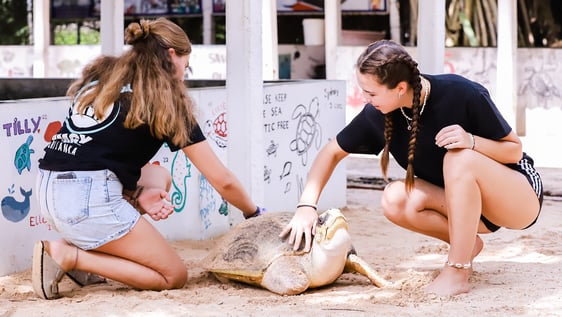
| Animal shelter & rescue | Feeding, care, enclosure cleaning, socialization, adoption support | Reliability, empathy, hands-on | Beginners & families | Wound care (supervised), socialization, feeding plans, observe applicant screening |
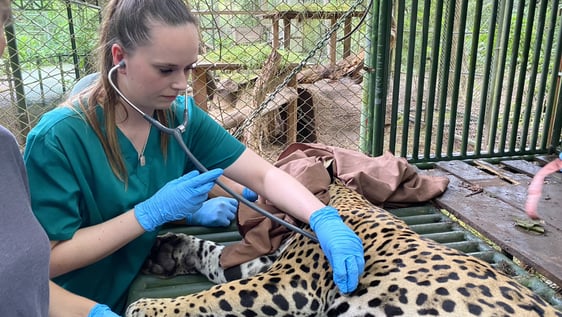
| Veterinary | Basic checks, documentation, assistance (supervised), hygiene | Interest/experience, diligence | Students & internships | Record vitals, prepare meds, instrument care, sterile setup |
| Animal care (general) | Daily care, feeding, enrichment, enclosure maintenance | Responsibility, willingness to learn | Anyone who wants to help directly | Build enrichment, cleaning per biosecurity plan, feeding stations, observation logs |
Best countries for animal volunteering: Top 10
From rainforest to reef edge — here are the strongest destinations for your impact. The top 6 are described in depth; places 7–10 are summarized for a quick overview.
-
Protect nests & explore rainforest in Costa Rica
Why go? Biodiversity galore: Pacific & Caribbean, cloud & rainforests, turtle beaches.
Typical tasks: beach patrols & nest protection (night patrols), hatchery work, photo/acoustic ID for marine mammals (dolphins , whales ), rescue center (care, feeding, enclosures), forest plots & camera traps.
Seasonality: nesting often Feb–Nov (varies by coast), hatch peaks weeks later; rainy season = more trail work, dry season = better boat/survey days.
Pro tip: red headlamps & quiet communication are mandatory on the beach — hatch success measurably improves.
-
Protect big cats & penguins in South Africa
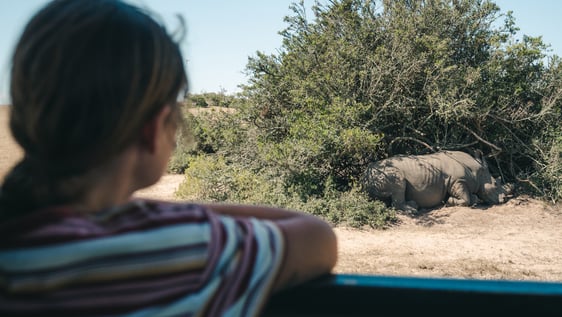
Why go? Savanna + coast: big cat monitoring (lion , cheetah ), rhino protection , seabird & penguin rescue .
Typical tasks: transects & track ID, camera trap management, support for anti-poaching (unarmed), habitat work; in coastal regions, seabird rehab & colony work.
Seasonality: dry season (≈ May–Sep) = best visibility; on the coast, factor in wind/sea → realistic fieldwork.
Pro tip: consistent repeat transects yield the biggest value for management decisions.
-
Elephant ethics & reefs in Thailand
Why go? Ethical focus for elephants (no riding), diverse wildlife rescues, marine conservation on islands with manta rays .
Typical tasks: elephant enrichment (distanced & protocol-based), enclosure care, community workshops, reef monitoring (snorkel/sometimes dive), beach clean-ups & photo ID.
Seasonality: different monsoon windows by region; often best reef visibility Nov–Apr (west coast). Mainland rescues year-round.
Pro tip: visuals & plain language make community workshops land — impact > perfection.
-
Amazon field research in Peru
Why go? Amazon up close: stations with parrot clay licks (macaws/parrots ), primates, reptiles & rehab work.
Typical tasks: early transects/point counts, clay lick observation & data entry, rescue/rehab tasks (supervised), enclosure/habitat care, building enrichment.
Seasonality: dry season is better for long transects; rainy season = more station work (care/maintenance).
Pro tip: calm behavior & patience at clay licks pay off — minimize disturbance.
-
Orangutans & mantas in Indonesia
Why go? Rainforest + reef in one trip: primate rehab (Borneo/Sumatra), manta & whale shark hotspots.
Typical tasks: primate enclosure care & pre-release (no handling), nest monitoring, community workshops, reef checks (line-intercept), photo ID/data upload, mangrove planting.
Seasonality: many reef spots stable Apr–Nov; rainforest year-round — focus shifts to care/enrichment/data.
Pro tip: for photo ID, mind angle & distance — recognition up, rejects down.
-
Savannah research & coexistence in Tanzania
Why go? Iconic savannahs & human–wildlife interfaces — focus on coexistence.
Typical tasks: wildlife counts, conflict prevention (fence/boma checks), community outreach, habitat work, data cleanup & visualization.
Seasonality: dry season (Jun–Oct) = best sightings & reliable datasets; short rains = infrastructure help & care.
Pro tip: involve local teams, gather feedback — acceptance is key to coexistence measures.
- Protect koalas in Australia — wildlife rehab, reef health & citizen science.
- Protect sea turtles in Greece — coastal/island projects (May–Aug nesting, Aug–Sep hatching).
- Experience biodiversity in Ecuador — Andes, Amazon & Galápagos: forest & marine projects.
- Support shelters in Spain — neutering & adoption programs on coast & inland.
Animals by continent: habitat, status & matching projects
Animals are the heart of your volunteering. Here’s an overview of which species you might encounter where — with quick facts and conservation status:
| Continent | Animal (internal link) | Habitat | Notable | Status |
|---|---|---|---|---|
| Africa | Elephant | Savannahs & forests | Ecosystem engineer; seed disperser | Vulnerable |
| Lion | Savannahs | “King of animals”; lives in prides | Vulnerable | |
| Rhinoceros | Bush & grassland | High poaching pressure; keystone species | Endangered (varies by species) | |
| Cheetah | Open savannahs | ~100 km/h; visual hunter | Vulnerable | |
| Giraffe | Savannahs | Tallest land animal; browser | Vulnerable | |
| African penguin | Coasts of SA/Namibia | Only penguin species in Africa | Endangered | |
| Asia | Tiger | Forests, mangroves | Largest big cat; flagship species | Endangered |
| Orangutan | Borneo & Sumatra | “Forest person”; palm oil pressure | Critically endangered | |
| Manta ray | Reefs & tropics | Largest ray; filter feeder | Vulnerable | |
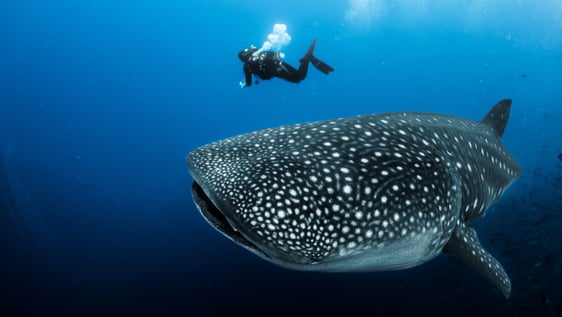
| Whale shark | Tropical oceans | Largest fish; photo ID | Endangered | |
| Americas | Sea turtle | Caribbean & Pacific | Returns to natal beach | Vulnerable–critically endangered |
| Jaguar | Amazon | Apex predator; cultural icon | Near threatened | |
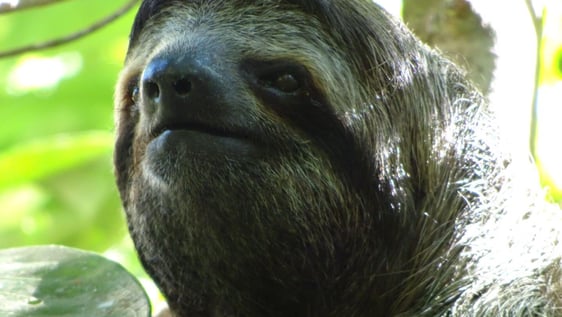
| Sloth | Rainforest | 15–20 h sleep; algae in fur | Varies by species | |
| Parrot (macaws etc.) | Tropical forests | Illegal pet trade | Often threatened | |
| Dolphin | Coastal/offshore | Acoustic/photo ID possible | Varies | |
| Oceania | Koala | Eucalyptus forests | Specialist feeder on eucalyptus | Vulnerable |
| Shark | Coasts & reefs | Apex predator; ocean balance | Many species threatened | |
| Kangaroo | Bush/steppe | Long jumps; marsupial | Stable (varies) | |
| Europe | Sea turtle | Mediterranean beaches | Nests in Greece (e.g., Zakynthos) | Vulnerable |
| Wolf | Forests & Alps | Return to Central Europe | Protected, regionally regulated | |
| Seabirds/coastal birds | Coasts & wetlands | Indicators of ocean health | Varies |
Best time to go: turtles, savannah & reefs
Sea turtles: Greece May–Aug (nesting), Aug–Sep (hatching); Costa Rica has windows nearly year-round by coast — night patrols & hatchery duties.
Big cats & savannah: South Africa/Tanzania dry season (≈ May–Sep) = best visibility; repeat transects deliver consistent data.
Reefs & megafauna: Indonesia many spots Apr–Nov; photo ID (manta/whale shark) often with stable visibility; plan boat surveys around weather.
30/60/90 days: learning curve & impact in projects
- Days 1–30: briefing, safety protocols, core tasks (care, clean-ups, simple transects, data basics).
- Days 31–60: routines are solid; better data quality (photo/acoustic ID, GPS accuracy), lead small sub-tasks.
- Days 61–90: mini-project under supervision (e.g., enrichment plan, nest data analysis, workshop outline) with team review.
Typical weekly schedule: tasks & training
| Time | Activity |
|---|---|
| 07:30–09:00 | Feeding & health check (checklists) |
| 09:30–12:00 | Monitoring: transects, nest protection, photo/acoustic ID |
| 12:00–14:00 | Break & team briefing (data review) |
| 14:00–16:30 | Habitat work, enrichment, data tasks (quality control) |
| 1×/week | Workshop: wildlife first aid, ethics, safety |
| Weekend | Excursions or free time / optional clean-ups |
Ethics in animal work: do’s & don’ts for volunteers
- Do: respect protocols & distances; use gloves/masks if required; document data cleanly.
- Do: observe rather than touch; enrichment only as instructed; no hygiene “shortcuts.”
- Don’t: no selfies or handling for social media; no feeding without approval; no off-trail actions in protected areas.
- Don’t: don’t support providers without clear animal welfare standards & safeguarding.
Checklist: how to spot serious projects
- Clear animal welfare policies (no petting/posing, no breeding for interactions).
- Safeguarding & child protection publicly available.
- Cost breakdown: where does your contribution go?
- Task profile & supervision: realistic expectations, dedicated point of contact.
- Data ethics: how are monitoring data collected, used, and stored?
Costs of animal volunteering: budget, planning & savings tips
Most programs include accommodation, orientation, and sometimes meals. You’ll add flights, insurance, visa, vaccinations, and personal expenses. The longer you stay, the lower the daily rate tends to be. Also plan a buffer for excursions.
| Item | Included | Tip (practical) |
|---|---|---|
| Program fees | Accommodation, orientation, local support | Book early; multi-week discounts; check shoulder season |
| Flights | Return ticket, possible domestic flights | Price alerts, flexible weekdays; gear-friendly baggage |
| Insurance | Travel & international health | Add-ons for diving/field tasks; ensure rehab activities are covered |
| Visa/vaccinations | Country specific | Plan 4–6 weeks ahead; passport valid 6+ months |
| On site | Transfers, food, SIM, excursions | Local SIM; mix cash/card; emergency buffer |
Funding your trip: scholarships, fundraising & sponsors
- University/college support: funds for placements abroad, alumni scholarships, student councils.
- Fundraising campaign: project page with transparent goal, milestones, updates.
- Corporate matching: employer matches donations (check CSR programs).
- Local sponsors: associations, Rotary/Rotaract, local foundations.
Requirements: age, language & fitness
- Usually 18+ (some shelters from 16 with consent)
- Solid English; additional languages are a plus
- Health & outdoor fitness depending on project
- Sometimes: background check, vaccinations, on-site basic training
Packing list (mini) for animal projects
- Light, quick-dry clothing (long sleeves/trousers) & sun protection
- Sturdy shoes, reef/water shoes if needed; reusable water bottle
- Travel first-aid kit (plasters, electrolytes, repellent)
- Headlamp, power bank, dry bags; offline emergency contacts
Find your project in 5 steps
- Find a match: align project type, region & season; use filters for duration/budget.
- Clarify: contact the organization; tasks, support, accommodation & expectations.
- Book it: visa, travel & international health insurance, flight, budget.
- Prepare: vaccinations/med check, packing list, offline maps, emergency contacts.
- Arrive: complete briefing, follow protocols, use feedback routines.
FAQ: animal volunteering abroad
Duration: how long should I plan?
You’ll feel real impact from 6–8 weeks; 2–4 weeks are ideal to get a taste.
Experience: do I need a dive cert or vet skills?
For marine conservation, a dive certification helps but isn’t always required (snorkel monitoring is often possible). In veterinary, newcomers are welcome — always under supervision.
No biology degree: can I still join?
Yes. Many projects (e.g., animal care (general) or animal shelter & rescue) mainly require reliability, willingness to learn, and teamwork.
Vaccinations: what’s important?
Depends on country & tasks (e.g., tetanus, hepatitis A/B; rabies risk with animal contact). Schedule a consult 4–6 weeks before departure and follow the host organization’s guidance.
Safety: is animal volunteering safe?
With briefings & protocols: yes. Keep distance, use PPE, respect animal & human rights. Extra caution for night patrols & boat surveys.
Costs at a glance: what to expect?
Program fees + flights, insurance, visa, vaccinations & personal expenses. Longer stays often reduce the daily rate.