







Volunteer in Africa

 Activities
 Hotspots
 Eastern Africa
 Rhino Conservation
 Animal
 Elephant Conservation
 Southern Africa
 South Africa
 Tanzania
 Antelope Conservation
 Lion Conservation
 Intern Abroad
 Wildlife Conservation
 Arusha
 Southwest African Lion
Black Rhino
Southwest African Lion
Black Rhino
 Giraffe Conservation
 Anti Poaching
 White Rhino
 African Elephant
 African Leopard
 Leopard Conservation
 Community
 Bush Elephant
 Childcare
 Healthcare
 Medical Training
Masai Giraffe
Medical Training
Masai Giraffe
 Safari
 Premium
 Planting Trees
 Cheetah Conservation
 Sea Turtle Conservation
 Monkey Conservation
 Vegan
Vegan
 Waste Reduction
 Education
 South African Cheetah
 Southern Giraffe
 Tiger Conservation
Bengal Tiger
Tiger Conservation
Bengal Tiger
 Midwifery Internship
 Zebra Conservation
 Kruger National Park
 Hyena Conservation
 Spotted Hyena
 Kudu
Kudu
 Nursing Internship
 African Buffalo
 Buffalo Conservation
 Impala
 Shark Conservation
 Green Sea Turtle
 Baboon
 Cape Town
 Primary School
 Caracal Conservation
 Mountain Zebra
Black Wildebeest
Mountain Zebra
Black Wildebeest
 National Park
 Madagascar
 GVI Alternatives
 Zanzibar
 Meerkat
 Meerkat Conservation
 Nosy Komba
 Caracal
 Marine Life
 Western Africa
 Environment
 Families with small kids
 Primate Conservation
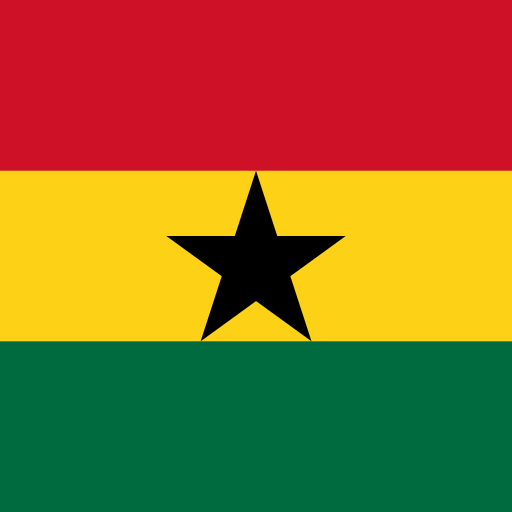
 Ghana
Ghana
 Bushbuck
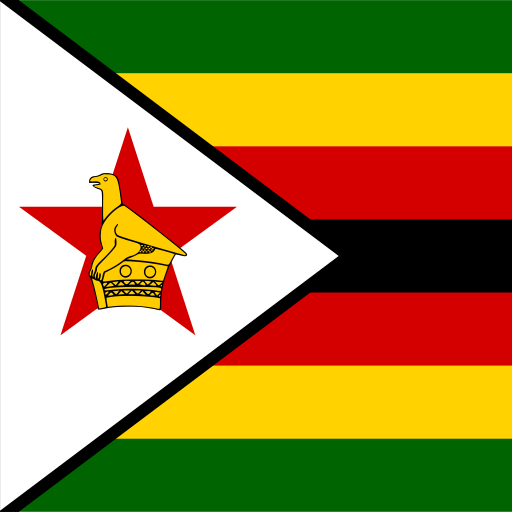
 Zimbabwe
 Common Warthog
Warthog Conservation
Common Warthog
Warthog Conservation
 Pediatrics Volunteer
 Beach Cleaning
 Reptile Conservation
 Crocodile
 Bird Conservation
Masai Lion
Bird Conservation
Masai Lion
 Plains Zebra
 Plastic Reduction
 Ocean Cleaning
West African Lion
Eland Antelope
Ocean Cleaning
West African Lion
Eland Antelope
 Diving
Springbok
Diving
Springbok
 Diving certificate
 Coral Reef
 Physical Therapy Internship
 Jackal Conservation
Black-backed Jackal
Jackal Conservation
Black-backed Jackal
 Hippo Conservation
South African Hippo
Hippo Conservation
South African Hippo
 Horse
Horse
 Northwest African Cheetah
 Marine Conservation
 Ray Conservation
 Conservation Work
 Leatherback Turtle
 English Teaching
 African Wild Dog Conservation
 Women Empowerment
 Sports
 Vervet Monkey
 Namibia
 Olive Ridley Turtle
 Mongoose Conservation
 Mongoose
 Hawksbill Turtle
Sex Education
Hawksbill Turtle
Sex Education
 Soccer
Ostrich
Soccer
Ostrich
 Wildcat Conservation
 Animal Sanctuary
 Dolphin Conservation
Horse Trekking
Dolphin Conservation
Horse Trekking
 Lemur
Lemur
 Owl
Cape Wild Dog
Owl
Cape Wild Dog
 Yoga
Genet
Yoga
Genet
 Dental Internship
 Capuchin Monkey
 Great White Shark
 Social Work
Teaching Internship
Social Work
Teaching Internship
 Plant Conservation
Mangrove
Plant Conservation
Mangrove
 Mako Shark
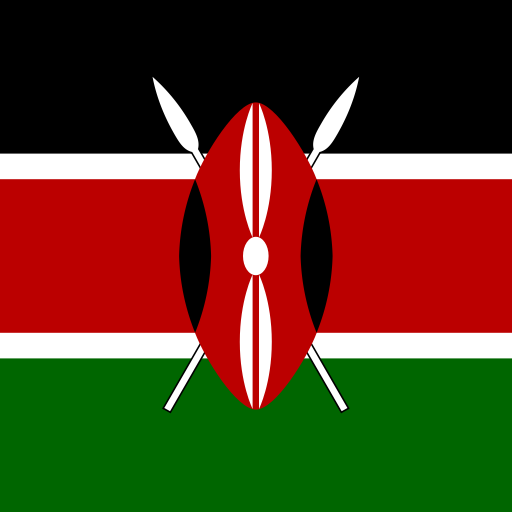
 Kenya
Kenya
 Human Rights
 Whale Conservation
Ophthalmology Internships
Whale Conservation
Ophthalmology Internships
 Honey Badger
Badger Conservation
Honey Badger
Badger Conservation
 Ragged Tooth Shark
 Kilimanjaro
 Windhoek
 Shark Tagging
 Hammerhead Shark
Eagle Ray
Hammerhead Shark
Eagle Ray
 Thresher Shark
 Sting Ray
 Ocelot
 Leopardus Conservation
 Psychology Internship
 Animal Shelter
 Basketball
 Volleyball
Natural Horsemanship
Volleyball
Natural Horsemanship
 Construction
East African Wild Dog
Construction
East African Wild Dog
 Bottlenose Dolphin
 Humpback Whale
 Street Animals
 Mozambique
 Snorkeling
 Manta Ray
Bush Baby
Manta Ray
Bush Baby
 Nutrition and Food
 Accra
Accra
 Dog
Dog
 Dar es Salaam
 Whale Shark
Northern Giraffe
Spinner Dolphin
Whale Shark
Northern Giraffe
Spinner Dolphin
 Loggerhead Turtle
 Leopard Shark
 Port Elizabeth
Serval
Port Elizabeth
Serval
 Penguin Conservation
African Penguin
Penguin Conservation
African Penguin
 Building Schools
Horse Conservation
Building Schools
Horse Conservation
 Marmoset
 Kumasi
 Northern Africa
 Victoria Falls
 Nairobi
 Great Apes Conservation
 Morocco
 Cats
Cats
 Surfing
 Youth Teaching
 Duiker
 Parrot
 NGO Support
 Reforestation
 Elusive Pangolin
Pangolin Conservation
Elusive Pangolin
Pangolin Conservation
 Chimpanzee
 Veterinary Training
African Wildcat
Veterinary Training
African Wildcat
 Tamarin
 Squirrel Monkey
 Volunteer and Travel
 Voluntourism
Desert Elephant
Voluntourism
Desert Elephant
 Nyala
Blue Wildebeest
Nyala
Blue Wildebeest
 Eagle
Eagle
 Waterbuck
 Wallaby
 Macaw
Macaw
 Giant Tortoise
 Cockatoo
 Blesbok
 Tortoise Conservation
 Kangaroo Conservation
Mona Monkey
Kangaroo Conservation
Mona Monkey
 Coffee
 Serengeti
 Patas Monkey
 Common Dolphin
 Sugar Glider Conservation
Sugar Glider
Humpback Dolphin
Sugar Glider Conservation
Sugar Glider
Humpback Dolphin
 Southern Right Whale
Brydes Whale
Southern Right Whale
Brydes Whale
 Business Development
Brown Hyena
Blue Whale
Business Development
Brown Hyena
Blue Whale
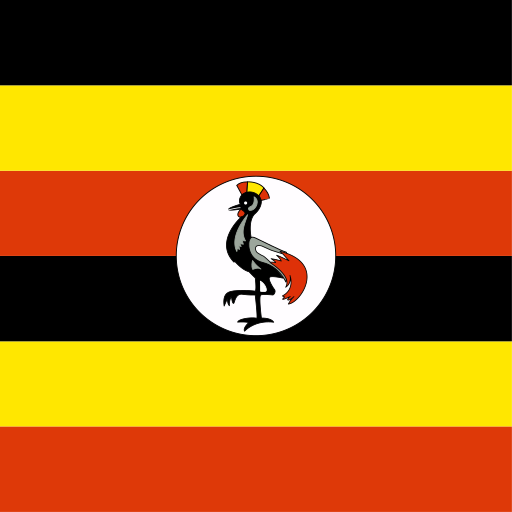
 Uganda
Harnas
Uganda
Harnas
 Middle Africa
 Cameroon
 Civet
Civet
 Gorilla
Civet Conservation
Gorilla
Civet Conservation
 Nosy Be
 Mombasa
 Elephant Research
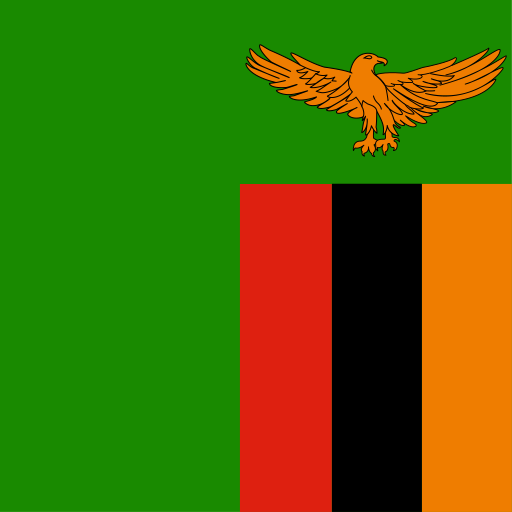
 Zambia
 NGO Management
Sumatran Tiger
NGO Management
Sumatran Tiger
 Transvaal Lion
 Otter Conservation
 Bat
Bat
 Giant Otter
Bat Conservation
Giant Otter
Bat Conservation
 Hiking
 Plettenberg Bay
Watamu
Plettenberg Bay
Watamu
 Macaque
 Agriculture
 Cape Verde
 Marketing and IT
 PADI Divemaster
 Ecological Farming
 Aardvark
 Tubulidentata Conservation
 Photography Internship
 Culture and Arts
 Special Needs
 Horse Sanctuary
Striped Hyena
Horse Sanctuary
Striped Hyena
 Senegal
 Knysna
 Tennis
 Indigenous cultures
 Rwanda
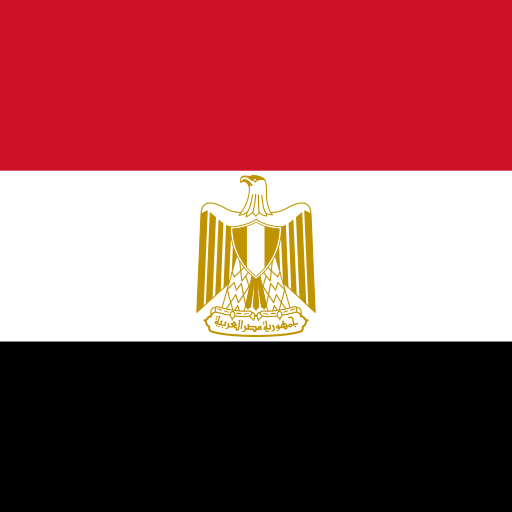
 Egypt
Egypt
 Energy and Water
 Botswana
 Netball
 Liberia
Construction Internship
Liberia
Construction Internship
 Musanze
 Swaziland
Atlantic Spotted Dolphin
Swaziland
Atlantic Spotted Dolphin
 Grey Reef Shark
 Chameleon
 Working with Seniors
 Elderly Care
 Orca
Long-beaked Common Dolphin
Fin Whale
Orca
Long-beaked Common Dolphin
Fin Whale
 Music
Black-and-white Colobus
Music
Black-and-white Colobus
 Theater
 Malawi
 Blacktip Reef Shark
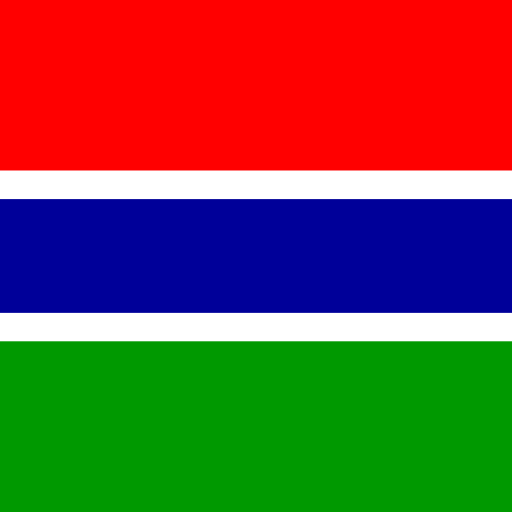
 Gambia
Sea Otter
Gambia
Sea Otter
 Tanzanian Cheetah
Short-beaked Common Dolphin
Tanzanian Cheetah
Short-beaked Common Dolphin
 Bee Conservation
Flamingo
Beehive
Livingstone Flycatcher
Malawi Batis
Bee Conservation
Flamingo
Beehive
Livingstone Flycatcher
Malawi Batis
 Orphanage
 Journalism Internship
African Black Eagle
Journalism Internship
African Black Eagle
 Husky
Husky
 Side-striped Jackal
 Amur Tiger
 Refugees
 Grey Wolf
 Pelagic Shark
 Wolf Conservation
 Golden Jackal
 East African Hippo
Grants Gazelle
East African Hippo
Grants Gazelle
 Ecological Building



















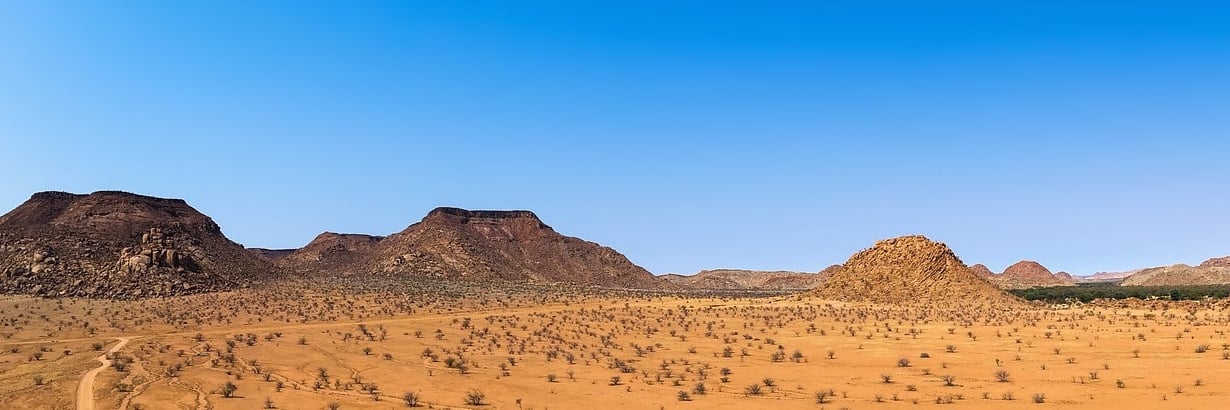
How to volunteer in Africa
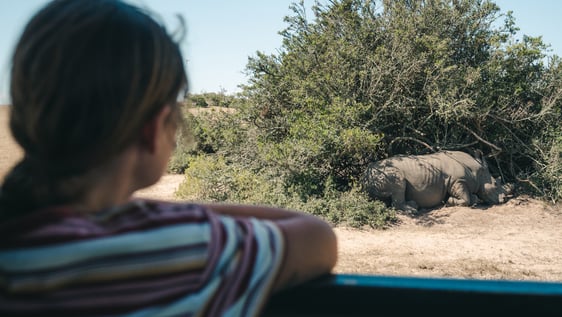
Volunteering in Africa is exciting—and maybe something you’ve dreamed about for a while. Volunteering in Africa is perfect for adventurous travelers: go on safari in Kenya, explore vibrant cities like Cape Town or Nairobi, support marine conservation, or immerse yourself in diverse local cultures. From teaching and community work to public health, environmental projects and wildlife conservation—there’s a program that fits your goals.
🤷🏽♀️ Why volunteer in Africa?
The continent blends ancient traditions, modern innovation, pristine nature and buzzing metropolises. Many communities face challenges such as limited access to education and healthcare, environmental pressure and youth unemployment. As a volunteer you can contribute to education equity, community development, public health, and nature & wildlife protection—while gaining valuable intercultural experience.
- Access to education & better learning outcomes
- Community health & prevention
- Women’s empowerment & livelihoods
- Habitat & wildlife protection
- Sustainable agriculture & climate resilience
🔎 How to choose the right volunteer program in Africa
- Impact focus: Favor locally led projects with clear goals, monitoring and community partnerships.
- Skill fit: Align tasks with your background (e.g., TEFL for teaching, clinical training for health).
- Seasonality: Plan around wildlife migrations, nesting seasons or school calendars.
- Commitment: Where continuity matters (schools/clinics), aim for 6–12 weeks.
- Support & safety: Check orientation, supervision, safeguarding and emergency protocols.
⚡ Quick answers
How much does volunteering in Africa cost per week? Depending on country/project, about €140–€700 per week, excl. flights/visa/vaccines. Rural community projects are cheaper; wildlife/marine tend to be pricier.
How long should I stay? For teaching/health, 6–12 weeks; for clean-ups/surveys, 2–3 weeks can work if tasks are well scoped.
Can I teach without a TEFL? Yes—co-teaching and learning support are often possible without a certificate; preparation and supervision are key.
🌍 Regional clusters in Africa
Instead of isolated country lists, you’ll find region clusters that share season logic, logistics and project types. This helps you plan realistically—with examples showing how to create impact.
🦁 Southern Africa
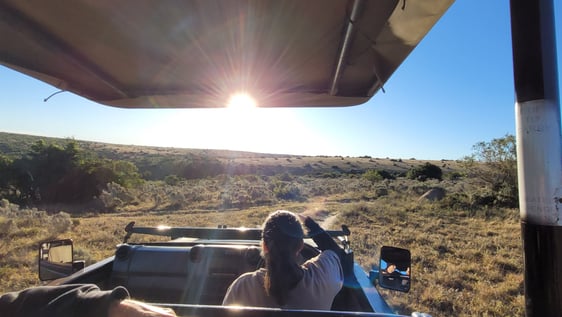
Strong infrastructure, reliable safety partners and excellent conservation set-ups. Ideal for wildlife conservation, environmental projects and community & education with clear protocols—especially in South Africa, Namibia and Botswana.
Learn more: Southern Africa
| Country/Hotspots | Typical projects | Best time | Practical examples (long-tail) |
|---|---|---|---|
| South Africa (Cape Town, Garden Route, Greater Kruger) | Education & youth, coastal/marine protection, wildlife monitoring | Cape: Oct–Mar · Inland safari: May–Sep | Beach clean-ups with microplastic protocol, shark photo-ID (no feeding), CEFR co-teaching A1–B1 |
| Namibia (Etosha, Erongo, Swakopmund) | Desert habitat protection, human–elephant conflict prevention, community outreach | May–Oct (dry, clear) | Map water points, build swales, GPS sightings for conflict maps |
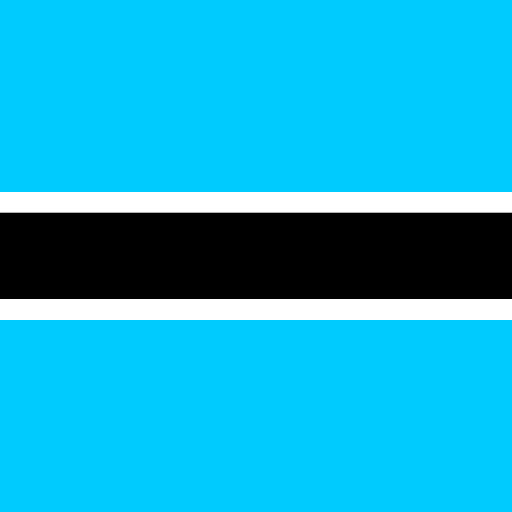
| Botswana (Okavango Delta, Chobe) | Key carnivore research, habitat management, anti-poaching support (supervised) | May–Oct | Service camera traps, spoor transects, validate datasets for occupancy models |
- Combo idea (4–6 weeks): Education in Cape Town → wildlife conservation in Kruger/Lowveld.
- Combo idea (5–8 weeks): Desert conservation in Namibia → Okavango monitoring in Botswana.
⛰️ East Africa
Huge biodiversity, iconic reserves and lively cities. Focus areas: teaching & community, public health, wildlife and—on the coast—marine & shoreline. Key countries include Kenya, Tanzania, Uganda and Rwanda.
Learn more: East Africa
| Country/Hotspots | Typical projects | Best time | Practical examples (long-tail) |
|---|---|---|---|
| Kenya (Nairobi, Mombasa, Maasai Mara) | Teaching, community, wildlife | Jun–Oct; Jan–Feb | CEFR conversation clubs, youth life-skills workshops, wildlife transects/GPS in corridors |
| Tanzania (Arusha, Moshi, Zanzibar) | Community, health, marine/coastal | Jun–Oct; Jan–Feb | Health outreach (hygiene/nutrition), school gardens, coastal clean-ups with fraction weighing |
| Uganda (Kampala, Jinja, Bwindi) | Community health, education, primate-support | Jun–Aug; Dec–Feb | Prevention sessions, community surveys, trail maintenance in buffer zones |
| Rwanda (Kigali, Volcanoes NP, Lake Kivu) | Community health, conservation | Jun–Sep; Dec–Feb | WASH workshops, tree nurseries, biodiversity checks at school sites |
- Combo idea (4–6 weeks): Teach in Nairobi → community/health in Arusha.
- Combo idea (5–7 weeks): Community in Kampala → conservation in Kigali/Volcanoes NP.
🌴 West Africa
Emphasis on teaching, community development and women’s empowerment, complemented by environment & coastline protection. Ghana is especially established with strong community roots.
Learn more: West Africa
| Country/Hotspots | Typical projects | Best time | Practical examples (long-tail) |
|---|---|---|---|
| Ghana (Accra, Cape Coast, Kumasi) | Teaching, child/youth work, women’s empowerment, WASH outreach | Nov–Mar (dry) | Dialogue circles, homework clubs, savings-group workshops, hygiene sessions (water/waste) |
| West African coastal cities (general) | Beach clean-ups, mangrove planting, school-based environmental education | Dry season by coastline | Microplastic transects, dune stabilization, teacher kits for recycling & waste sorting |
- Combo idea (3–5 weeks): Teach in Accra → environmental education & coastal clean-ups.
🏜️ North Africa
Mild shoulder seasons, rich cultural programs and growing urban community projects—ideal for education, community and selected environment/coastal initiatives. Focus in Morocco; options also in Egypt/Tunisia (mainly coastal/school formats).
Learn more: North Africa
| Country/Hotspots | Typical projects | Best time | Practical examples (long-tail) |
|---|---|---|---|
| Morocco (Marrakech, Rabat, High Atlas) | Education, community, youth/women programs | Mar–May; Sep–Nov | Conversation clubs, career coaching (CV/interview), urban gardens & neighborhood waste sorting |
| Egypt/Tunisia (coasts) | School projects, coastal clean-ups, environmental education | Spring/Autumn | School labs “Water & Salt”, clean-ups with fraction logbook, teacher trainings |
- Combo idea (3–4 weeks): Community in Rabat → coastal environmental education on the Mediterranean.

📅 Best time to volunteer in Africa—by country & hotspot
The best time depends on wet/dry seasons, temperatures and project windows (e.g., wildlife migrations, turtle nesting, field logistics). Match optimal months to linked hotspots to plan projects in education, health, community, marine and wildlife.
| Country/Region | Hotspots (linked) | Best time | Notes & project tips |
|---|---|---|---|
| Kenya (South/Central) | Nairobi, Mombasa, Maasai Mara | Jun–Oct; Jan–Feb | Dry seasons; wildlife peak (Great Migration Jul–Oct). Community & teaching are feasible year-round. |
| Tanzania (North) | Arusha, Moshi, Serengeti | Jun–Oct; Jan–Feb | Dry months favor wildlife & health outreach. Kilimanjaro windows Jan–Mar & Jun–Oct. |
| South Africa (Cape & East) | Cape Town, Garden Route, Eastern Cape | Oct–Mar (Cape); May–Sep (safari) | Summer = community & marine; winter = excellent inland wildlife viewing. |
| Namibia | Etosha, Swakopmund, Windhoek | May–Oct | Dry & clear; ideal for wildlife monitoring & arid-land conservation. |
| Uganda | Kampala, Jinja, Bwindi | Jun–Aug; Dec–Feb | Drier windows for gorilla/primate conservation support & community health. |
| Ghana | Accra, Cape Coast, Kumasi | Nov–Mar | Warm & dry; stable calendars for teaching & women’s empowerment. |
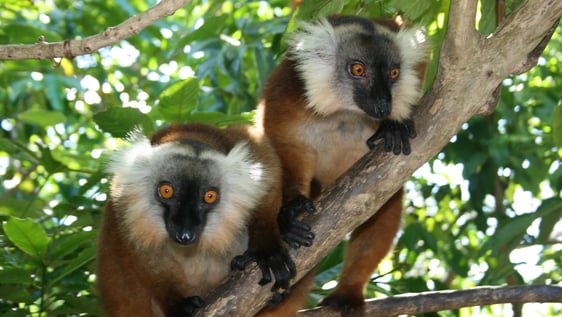
| Madagascar | Nosy Be, Toamasina | Apr–Nov | Dry season for lemurs/biodiversity and marine conservation. |
| Morocco | Marrakech, Rabat, High Atlas | Mar–May; Sep–Nov | Mild weather for education & community; very hot inland in summer. |
| Zanzibar | Stone Town, Nungwi, Paje | Jun–Oct; Dec–Feb | Best marine conditions; avoid the long rains (Mar–May). |
| Rwanda | Kigali, Volcanoes NP, Lake Kivu | Jun–Sep; Dec–Feb | Drier periods for community health & primate logistics. |
| Botswana | Okavango Delta, Chobe | May–Oct | Top wildlife viewing in the dry season; great for wildlife research & anti-poaching support. |
📅 Seasons & hotspots—linked to project types
| Country | Hotspots | Best time | Typical projects |
|---|---|---|---|
| Kenya | Nairobi, Mombasa, Maasai Mara | Jun–Oct; Jan–Feb | Teaching, Public Health, Wildlife |
| Tanzania | Arusha, Moshi, Zanzibar | Jun–Oct; Jan–Feb | Community, Health Outreach, Marine & Coast |
| South Africa | Cape Town, Garden Route, Greater Kruger | Oct–Mar (Cape); May–Sep (safari) | Community, Marine & Coast, Wildlife |
| Namibia | Etosha, Swakopmund | May–Oct | Arid-Land Conservation, Wildlife Monitoring |
| Uganda | Kampala, Jinja, Bwindi | Jun–Aug; Dec–Feb | Community Health, Primate Conservation |
| Ghana | Accra, Cape Coast, Kumasi | Nov–Mar | Teaching, Women’s Empowerment |
| Madagascar | Nosy Be, Toamasina | Apr–Nov | Biodiversity, Marine & Coast |
| Morocco | Marrakech, Rabat, High Atlas | Mar–May; Sep–Nov | Education, Community |
| Rwanda | Kigali, Volcanoes NP, Lake Kivu | Jun–Sep; Dec–Feb | Community Health, Conservation |
| Botswana | Okavango Delta, Chobe | May–Oct | Wildlife Research, Anti-Poaching Support |
Note: City projects (teaching, social work, public health) often run year-round. Wildlife & coastal projects follow season windows (migrations, nesting, surveys). Always check the organization’s project calendar.
What do volunteers do in Africa?
Africa offers a broad range of roles. Whether you’re a teacher seeking international classroom experience, a public-health student, a conservation enthusiast, or a hands-on community builder—you’ll find meaningful work.
- Teach English in Africa
- Community Development
- Childcare (community-based)
- Women’s Empowerment
- Medical & Public Health
- Environment & Coasts/Marine
- Wildlife Conservation and Animal Care in Africa
🔗 Project types—at a glance
| Project type | Short description | Recommended duration | Popular countries |
|---|---|---|---|
| Teach English in Africa | Support English/math/science, after-school activities, 1:1 tutoring, basic digital literacy. | 4–12 weeks | Kenya, Ghana, South Africa |
| Community Development | Workshops, child centers, youth/women programs, basic business skills, community outreach. | 2–12 weeks | Tanzania, Rwanda, Morocco |
| Medical & Public Health | Hospitals/clinics, administration, health education, prevention (under supervision). | 4–12 weeks | Uganda, Kenya, Tanzania |
| Environment & Coasts/Marine | Reforestation, biodiversity monitoring, water access, coastal/marine protection (sometimes diving). | 2–8 weeks | Madagascar, South Africa, Zanzibar |
| Wildlife Conservation | Monitoring, habitat management, anti-poaching support, research on key species. | 2–8 weeks | Namibia, Botswana, South Africa |
| Animal Care in Africa | Animal rehab centers, feeding/enclosures, hygiene, rehabilitation (community-linked). | 2–6 weeks | Kenya, Ghana, South Africa |
👨🏽🏫 Teach in Africa
Strengthen local schools: support English, math, sciences, sports or arts; assist teachers, organize after-school activities, and provide 1:1 tutoring when needed. Where possible, add basic digital literacy and soft skills.
👭 Community, childcare & women’s empowerment
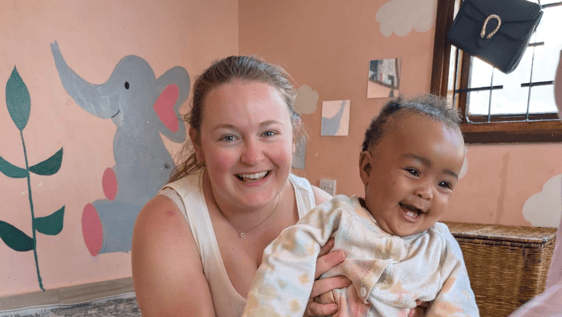
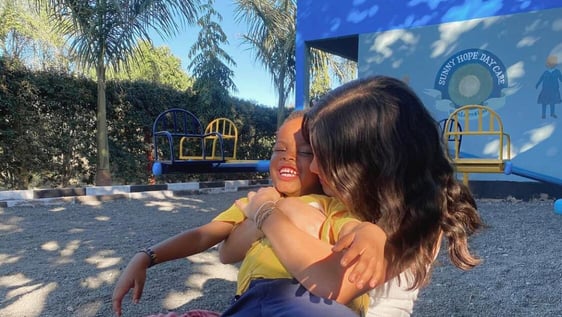
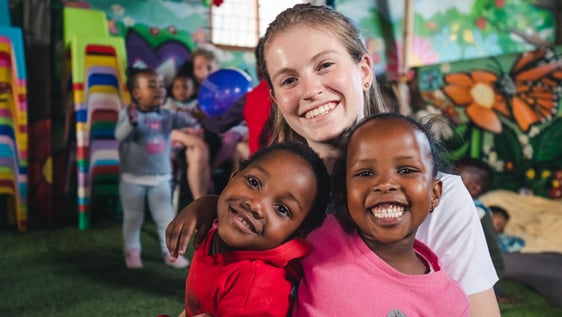
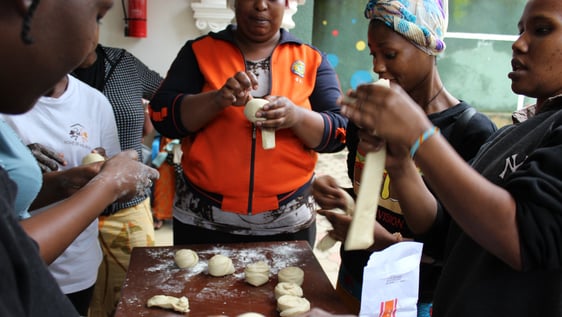
Dive into local life: run skills workshops, support child centers, accompany safe spaces and coach young women in life and business skills. For work with children or vulnerable groups, proper training and supervision are essential.
🩺 Medical & public health
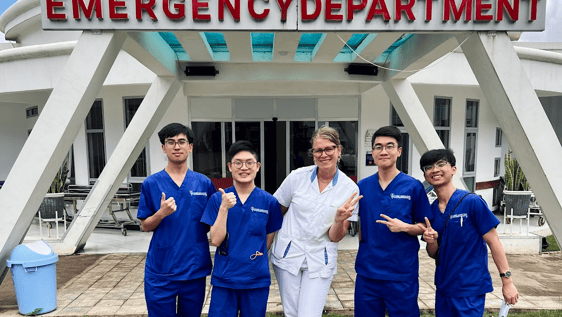
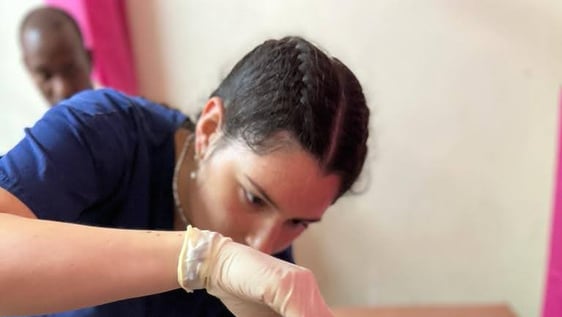
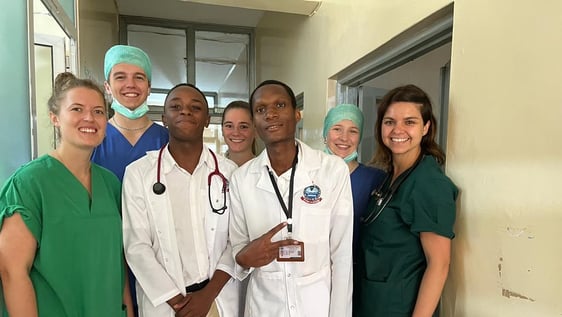
Professionals and students support hospitals and clinics (e.g., nursing, maternity, pediatrics, dentistry). Non-clinical volunteers assist with administration, health education and prevention campaigns—always coordinated with the local team.
🌿 Environment & coasts/marine
Get involved in reforestation, sustainable agriculture, biodiversity monitoring, water access, and coastal/marine conservation. Ideal for outdoor types and those with environmental or agri backgrounds.
🦓 Wildlife conservation
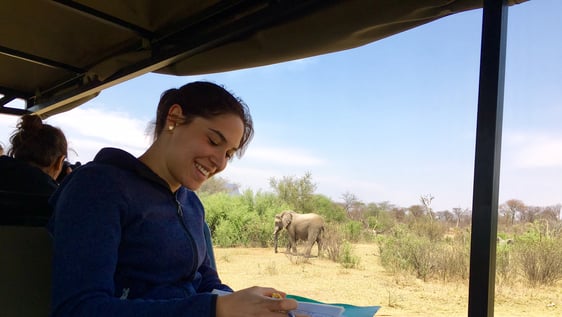
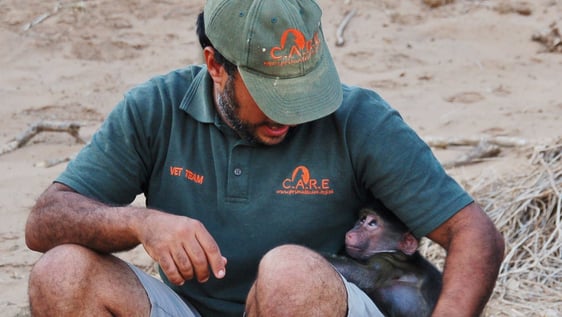
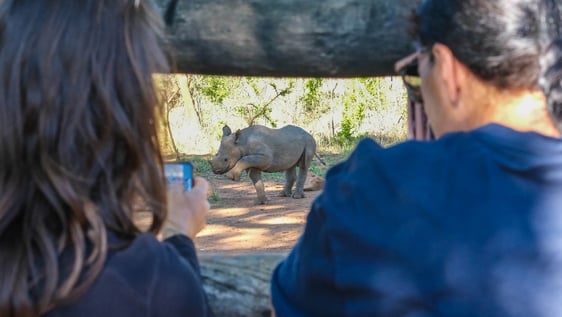
Support monitoring, anti-poaching initiatives, habitat management and research—on elephants, lions, big cats and sharks.
📈 Signs of responsible impact
- Clear role description & skill fit
- Local governance with community partners
- Onboarding, safeguarding & named contact
- Project calendar (season/training/handover)
- Tracked outputs (e.g., tutoring hours, surveys) and reporting back to the community
⏱️ Duration & 💸 Costs
Duration: Short stays (1–2 weeks) offer a first look; 6–12 weeks often deliver the best continuity and impact—especially in schools and clinics.
Budget: Program fees usually cover accommodation and sometimes meals; flights, visas, insurance and vaccines are extra. Rural/community projects tend to be cheaper than urban or wildlife-focused placements.
| Placement type | Typical daily budget* | Cost drivers |
|---|---|---|
| Community / teaching (rural) | €20–€40 | Simple housing, local meals, low transfers |
| Community / teaching (urban) | €35–€70 | City rents, commuting, higher cost of living |
| Wildlife conservation | €45–€100 | Remote bases, vehicles, field staff, permits |
| Coasts/marine | €50–€100 | Dive gear (if needed), boats, safety, trainings |
*Excludes flights, visas, full insurance and vaccines.
💶 Cost comparison by country (avg/day)
Ranges are indicative and vary by project type, location, season and level of support.
| Country | Ø cost / day | Typically included | Not included |
|---|---|---|---|
| Kenya | €30–80 | Accommodation, sometimes meals, project support | Flights, visa, vaccines, insurance |
| Tanzania | €25–70 | Accommodation, local transfers, coordination | Vaccines, international arrival |
| South Africa | €35–100 | Accommodation, sometimes transfers/support | Some meals, flights/insurance |
| Madagascar | €40–90 | Accommodation, possible briefing/training | Flights, visa, some gear extra |
| Namibia | €30–85 | Field-base accommodation, project logistics | Flights, insurance, possible park fees |
| Rwanda | €35–80 | Accommodation, local coordination | Flights, visa, vaccines |
| Ghana | €25–60 | Simple accommodation, support | International travel, insurance |
| Botswana | €45–100 | Accommodation, field logistics (wildlife) | Flights, insurance, equipment |
| Morocco | €30–70 | Accommodation, coordination | Flights, some meals |
💲 Affordable or free volunteering in Africa
Some education and community projects are free or low-cost—flights, visas and insurance are typically on you. Fee-based programs sustain local structures, coordination and housing. Consider fundraising, alumni discounts or scholarships.
💡 Good to know before you go
Every program has different requirements and context. Learn about local norms, health guidance and logistics, and align expectations with your host. Build a timeline (documents, background check, vaccinations) 6–8 weeks ahead.
🦺 Safety & health
- Check official travel advisories and follow local guidance; use licensed transfers.
- Secure documents; carry copies; avoid poorly lit/isolated areas at night.
- Country-specific vaccine/malaria advice; drink treated/bottled water, wash fruit & vegetables.
- Comprehensive travel & international health insurance is required.
Health tips
- Plan vaccines & prophylaxis early; bring essential meds & a small travel first-aid kit.
- Mosquito protection (net, repellent) is essential in many regions.
Packing list (essentials)
- Passport, visa docs, insurance proof; carry digital & paper copies.
- Sun protection, reusable water bottle, lightweight quick-dry clothing.
- Daypack/backpack; small lock for luggage/lockers; culturally appropriate clothing for community work.
- Universal adapter, offline maps, small first-aid & repair kit.
🎒 Packing list (essentials)—quick checklist
| Category | Must-haves |
|---|---|
| Documents | Passport, visa, background check, insurance proof (digital & print) |
| Health | Vaccination card, personal meds, mosquito protection (net/repellent), small first-aid kit |
| Clothing | Light, quick-dry pieces; long pants/covered shoulders for community; sturdy shoes |
| Tech | Universal adapter, power bank, offline maps app |
| Other | Sunscreen, reusable bottle, daypack, small lock, repair kit |
🕵🏽♂️ Who can volunteer in Africa?
- 18+ years for most projects (some accept 16–17 with consent).
- English proficiency; local languages are a plus.
- Police/background check and medical fitness depending on role.
- Role-specific qualifications for health, child protection and specialized conservation tasks.
❓How to start (steps & visa)
- Check your fit: requirements, supervision and tasks.
- Choose place & season: consider region clusters; align with the Best Time table.
- Contact the organization: clarify expectations, schedule, training & safeguarding.
Insurance & visa
- Insurance: International health and travel insurance are mandatory for reputable programs.
- Visa: Depending on the country, tourist or volunteer/social visa; passport usually valid for at least 6 months.
🛂 Visas & 💉 Vaccinations (country overview)
Requirements change. Always check official sources and your organization’s guidance.
| Country | Usual visa type | Vaccination notes (general) |
|---|---|---|
| Kenya | E-visa / possibly volunteer/social visa | Routine vaccines; depending on region, Yellow Fever proof & malaria prophylaxis |
| Tanzania | E-visa / visa on arrival; volunteer/social option | Routine; Yellow Fever in some areas; malaria prophylaxis often advised |
| South Africa | Tourist or specific volunteer visa by duration/task | Routine; regional specifics apply |
| Ghana | Embassy visa in advance (common) | Routine; Yellow Fever certificate often required |
| Uganda | E-visa; special pass/volunteer depending on role/duration | Routine; Yellow Fever regionally; malaria prophylaxis common |
| Namibia | Tourist or volunteer visa depending on activity | Routine; regional recommendations |
| Madagascar | E-visa / visa on arrival; volunteer options possible | Routine; dengue/chikungunya prevention, malaria in some areas |
| Rwanda | E-visa; project permits as needed | Routine; Yellow Fever if arriving from endemic areas |
| Botswana | Tourist/volunteer visa by duration | Routine; region-specific advisories |
| Morocco | Tourist visa (by nationality) / project permits | Routine; water/food hygiene |
Ready? Compare programs, destinations & dates—and start your volunteer journey in Africa with purpose and impact.
❓FAQ – Volunteering in Africa (2026): projects, costs, visa, safety
Volunteering in Africa 2026: which countries can I volunteer in?
Popular choices include Kenya, Tanzania, South Africa, Ghana, Namibia, Uganda, Rwanda, Madagascar, Botswana and Zanzibar. Depending on the country, focus areas vary: teaching, public health, community development, marine protection, wildlife & animal care.
Best time to volunteer in Africa—by country & project type
East Africa: June–October & January–February; Southern Africa: May–October; North Africa: spring & autumn; Madagascar: April–November; Zanzibar: June–October & December–February. Also consider project windows (migrations, nesting, school terms).
What volunteer projects exist in Africa? (teaching, public health, wildlife, marine)
Common fields: teaching English, community development & women’s empowerment, childcare, medical & public health, environment & coasts/marine, wildlife & animal care. Tasks range from teaching/workshops to data collection, care and monitoring.
Teaching in Africa: can I volunteer without a TEFL/TESOL certificate?
Yes, many schools accept qualified assistants without TEFL. Helpful: good English, prepared materials/games, cultural sensitivity and teamwork with local teachers.
Medical volunteering/internships in Africa: what options and requirements?
Roles in clinics/hospitals and health outreach (e.g., pediatrics, maternity, dentistry, nursing). Non-clinical: health education, prevention, administration. Clinical tasks require qualifications/proof of study and always occur under local supervision.
Volunteering costs in Africa: how much per week/month?
Rule of thumb: about €20–€100 per day (some accommodation/support included), depending on country/project. Add flights, visas, vaccines, insurance and personal expenses. Weekly and monthly budgets scale from daily rates.
Affordable or free volunteering in Africa: are there scholarships or discounts?
Yes. Some education/community projects are very affordable or free. Reduce costs via scholarships, alumni discounts, fundraising, group or early-bird deals. Flights/visas/insurance are usually on you.
Safety for volunteers in Africa: tips for solo women and first-timers
Choose established organizations with clear safety and safeguarding protocols, use licensed transfers, secure valuables and be cautious at night. Orientation, emergency contacts and local etiquette should be part of onboarding.
Visa & vaccinations for volunteering in Africa: what’s usually required?
Depending on the country, a tourist or volunteer/social visa; passport typically valid 6+ months. Often required: proof of international health insurance, Yellow Fever vaccination in some cases, and other country-specific health requirements.
Insurance & liability: which policies do I need?
Recommended/often required: international health insurance (including evacuation), travel insurance (baggage/delays); consider liability/accident cover. Check that project activities (e.g., boats, fieldwork) are covered.
Marine conservation without a dive certification: what can I do?
Many roles are snorkel- or shore-based: microplastic transects, beach/dune management, simple biodiversity surveys, environmental education, boat-based surveys. Diving is optional and site-dependent.
Finding responsible organizations: what should I look for?
Checklist: local leadership, clear role & skill fit, supervision/training, safeguarding policies, monitoring & reporting, transparent fee structure, project calendar (season/onboarding/handover).
Short vs long stays: how long should I volunteer?
Short-term (1–2 weeks) fits tightly scoped tasks. For teaching/health/monitoring, 6–12 weeks usually bring better continuity, handovers and measurable impact.
Accommodation & meals: what’s usually included?
Often included: accommodation (host family, volunteer house, lodge), sometimes meals, local coordination/briefing. Not usually included: flights, visas, vaccines, insurance and leisure activities.
Participation requirements: students, families or 17-year-olds—eligible?
Many programs suit students; some accept 16–17-year-olds with consent. Family/group placements are possible where housing and safeguarding fit. Details vary by organization and project.