

























































Volunteer in Australia

 Activities
 Hotspots
 Sea Turtle Conservation
 Kangaroo Conservation
 Animal
 Queensland
 Wildlife Conservation
 Kangaroo
 Great Barrier Reef
 Cairns
 Koala
Koala
 Koala Conservation
 Waste Reduction
 Wallaby
 Green Sea Turtle
 Hawksbill Turtle
Flatback Turtle
Hawksbill Turtle
Flatback Turtle
 Possum
 Conservation
Possum
Possum Conservation
 Vegan
Vegan
 Environment
 Diving
 Marine Conservation
 Coral Reef
 Premium
 Beach Cleaning
 Diving certificate
 Wombat Conservation
 Wombat
 Bird Conservation
 Animal Shelter
 Reptile Conservation
 Shark Conservation
 Crocodile
 Cockatoo
 Cats
Cats
 Dog
Dog
 Animal Sanctuary
 Whale Conservation
 Marine Life
 National Park
 Loggerhead Turtle
 Olive Ridley Turtle
 Parrot
 Ocean Cleaning
 Plastic Reduction
 Leatherback Turtle
 Hammerhead Shark
 Humpback Whale
 Snorkeling
 Grey Reef Shark
Dwarf Sperm Whale
Grey Reef Shark
Dwarf Sperm Whale
 Ray Conservation
 Manta Ray
 Whitetip Reef Shark
 Owl
Iguana
Owl
Iguana
 Macaw
Macaw
 Tasmania
 Tasmanian Devil
 Conservation
Tasmanian Devil
Tasmanian Devil Conservation
 Bottlenose Dolphin
 Dolphin Conservation
 Sugar Glider
 Conservation
Sugar Glider
Sugar Glider Conservation
 Conservation Work
 Horse
Horse Conservation
Horse
Horse Conservation
 Horse Sanctuary
Natural Horsemanship
Horse Sanctuary
Natural Horsemanship
 Hiking
 Voluntourism
 Indigenous cultures
 Volunteer and Travel














Volunteer work in Australia
Volunteer in Australia: Wildlife, Marine Conservation & Environmental Projects (Koalas, Kangaroos, Great Barrier Reef) 🌏
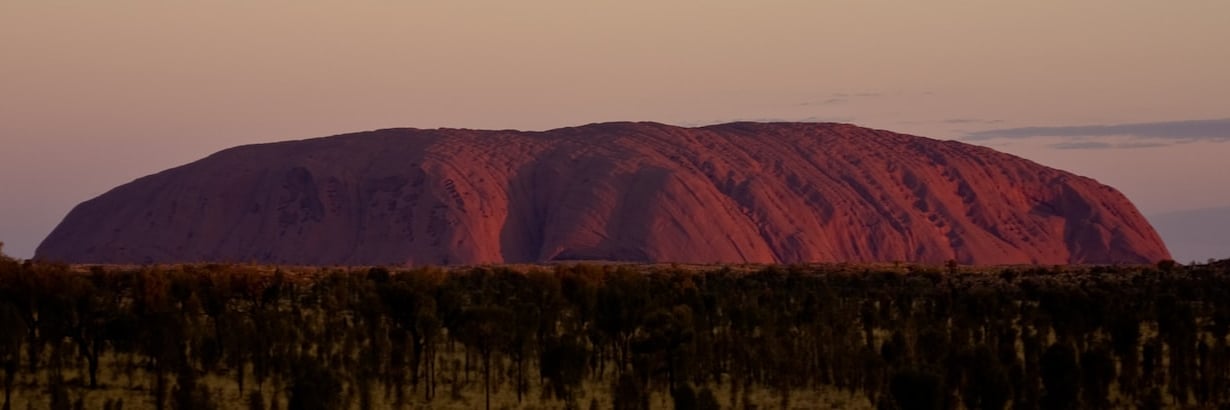
Is there anyone who isn’t captivated by the rugged landscapes and unique wildlife of “Down Under”? Australia may feel familiar, yet it enchants visitors again and again with extraordinary biodiversity: the Great Barrier Reef, Uluru, the Daintree Rainforest, the vast Outback — and all those remarkable creatures found nowhere else on Earth.
All these natural wonders are within reach when you volunteer in Australia. If you care about sea turtles, kangaroos, or koalas and want to protect biodiversity, you’re in the right place! Volunteering lets you experience Australia’s nature and people on a deeper level than any holiday. Below you’ll find practical guides, concrete task examples, and programs that need your help.
Australia tops many bucket lists. Before we dive into project types, here are a few quick facts:
- The Australian Alps receive more snow than the Swiss Alps — perfect for “summer” skiing.
- Because of the central deserts, about 90 % of Australians live on the coast.
- Tasmania’s air quality is exceptionally clean — comparable to Antarctica.
- The Great Barrier Reef comprises around 2,500 individual reefs — a world-class ecosystem.
- Roughly 2.5 km of Uluru lies underground.
🎒 Why volunteer in Australia?
- Iconic species & habitats: From koalas and kangaroos to the Great Barrier Reef — a unique mix of land and marine projects.
- Serious conservation work: Rehab centres, citizen science, habitat maintenance, and data that inform real management decisions.
- Strong infrastructure: Basecamps near both cities and nature (e.g., the tropical east coast) — easy onboarding and clear training.
- Career boost: Hands-on experience for biology, environmental science, veterinary, outdoor leadership, or education.
Method: Recommendations are based on multi-year project calendars, underwater visibility, wildlife migrations, and feedback from local partner teams.
🧭 Which Australia program fits you?
- I want to get in the water: → Marine Conservation (GBR/Ningaloo) — snorkel/dive transects, seagrass checks, cleanups.
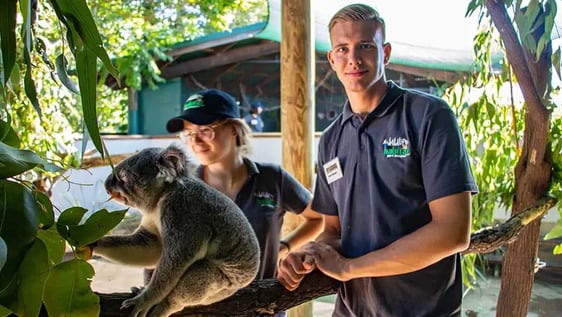
- I love marsupials: → Koala rehabilitation, Kangaroo rescue — care, monitoring, release support.
- I like hands-on fieldwork: → Environmental Conservation — reforestation, invasive species management, citizen science.
- I’m into data & photo-ID: → Dolphins & Sea turtles — observation & data logging.
- Outback & ranch life: → Volunteering with horses — stalls/fencing/pasture care, responsible animal work.
🌦️ Ecoregions & best times to go (at a glance)
- Tropical (QLD/NT — esp. east coast): Dry season May–Oct (best visibility), wet season Nov–Apr (lush, thunderstorms). Stinger season: Nov–May.
- Temperate (NSW/VIC/SA/TAS): Summer Dec–Feb (great for outdoor work), winter Jun–Aug (cooler; whale sightings along the east coast).
- Outback (WA/NT/SA): Huge distances, hot days, cool nights — plan 4WD and supplies carefully.
🇦🇺 What volunteer projects are available in Australia?
Australia’s wildlife is incredibly diverse. This unique ecosystem hosts species rarely seen in the wild anywhere else. The landscape is an unforgettable backdrop for observing kangaroos, koalas, and wombats in their natural habitat.
Ocean lovers will also find plenty to do. Australia is one of the world’s favourite diving destinations and welcomes anyone helping to protect the Great Barrier Reef. Explore options in marine conservation and citizen science.
“Down Under” offers abundant projects on land and at sea for everyone keen to protect nature and habitats.
Many programs and rescue centres rely on volunteers — your time, skills, and donations keep operations and conservation efforts going.
🎯 Project themes in Australia — tasks, skills & seasonality
| Theme (linked) | Typical tasks | Profile/skills | Hotspots | Best time | More |
|---|---|---|---|---|---|
| Koala | Food prep & care, enclosure cleaning, monitoring, community outreach | Attention to detail, hygiene, animal ethics; vet/bio interest is a plus | QLD/NSW | Year-round; watch heatwaves/fire risk | → Wildlife |
| Kangaroo | Rehab support, enclosure/fence work, feeding, observation | Good outdoor fitness, calm demeanor | QLD, SA | Year-round | → Wildlife |
| Wombat | Care, parasite checks, habitat maintenance, data collection | Animal affinity, documentation | VIC/NSW | Year-round | → Wildlife |
| Bats | Rescue/care for injured/orphaned animals, awareness-raising | Some night shifts, strict hygiene | QLD/NSW | Nov–Apr (peak), otherwise as needed | → Wildlife |
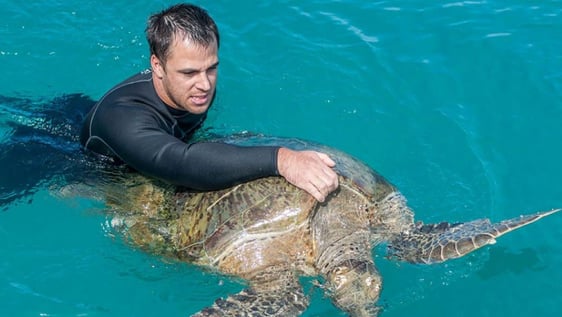
| Sea turtles | Nest protection, beach patrols, releases, data logging, cleanups | Snorkel skills helpful; “reef-safe” awareness | QLD (incl. Cairns) | Oct–Mar (nesting/hatching); rehab year-round | → Marine |
| Dolphins | Behavioural observation, photo-ID, visitor education | Patience, data mindset, basic photography | QLD/NSW | Year-round (visibility varies) | → Marine |
| Marine Conservation | Reef transects, water quality, invasives, litter hotspot mapping, workshops | Snorkel/OWD (project-dependent) | GBR (Cairns), Ningaloo (WA) | Dry season (tropics): May–Oct | → Marine |
| Environmental Conservation | Reforestation, erosion control, invasive species, citizen science | Hands-on, outdoor; GPS/mapping is a plus | QLD/NSW/VIC/SA | Spring–Autumn | → Environment |
| Volunteering with horses | Feeding, stalls/fences, pasture work; occasional riding (project-dependent) | Ranch/outdoor interest, solid fitness | Outback/rural | Year-round | → Rural |
Season windows are indicative and may vary by microclimate and project calendar.
🗺️ Top volunteering hotspots in Australia
| Region/Location | Typical projects | Best time | Notes |
|---|---|---|---|
| Queensland (Cairns) | Marine (GBR), sea turtles, koala/kangaroo rehab | May–Oct (visibility), Oct–Mar (turtle season) | Direct GBR access; tropical weather; stinger season Nov–May |
| New South Wales (Sydney/Byron) | Environment, dolphin outreach, city + nature | Sep–May | Surf culture; always swim between the flags (rip current risk) |
| Victoria (Melbourne/Phillip Island) | Wombats, penguins, nature education | Oct–Apr | Little penguin viewing — strict light discipline (no flash) |
| Western Australia (Perth/Ningaloo) | Marine conservation, whale shark/humpback observation | Mar–Jul (whale sharks), Jun–Nov (whales) | Big distances, Outback feel |
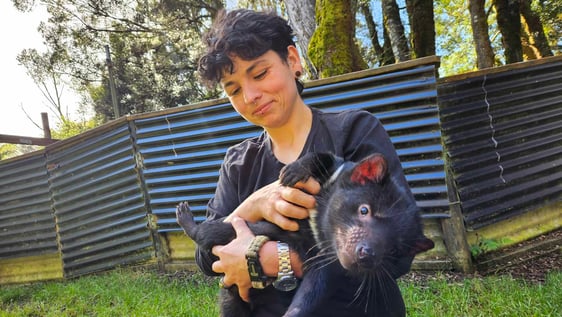
| Tasmania (Hobart) | Tasmanian devil, trails & habitat works | Nov–Mar | Cooler climate; superb air quality |
| South Australia (Adelaide/Kangaroo Island) | Kangaroos, seabirds, reforestation | Sep–Apr | Island logistics — plan ferries in advance |
🐨 How can I support Australian wildlife?
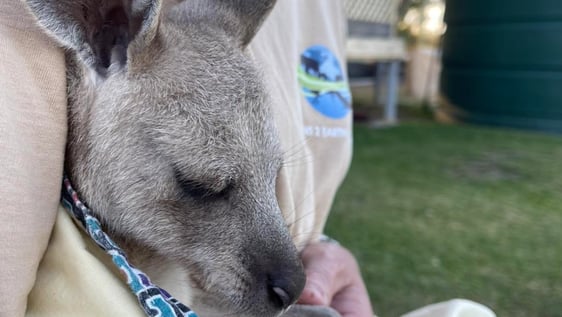
Despite the biodiversity, many native species are threatened. Wildlife reserves and rescue centres — especially in Queensland and New South Wales — seek volunteers for care, monitoring, and outreach. Typical species include kangaroos, koalas, wallabies, possums, and gliders.
- Feeding & basic care (under guidance)
- Raising orphaned joeys (project-dependent)
- Enclosure cleaning & habitat maintenance
- Recording data (weights, behaviour, recovery)
The goal is always release back to the wild when health allows. Some animals need permanent care — realistic expectations and animal ethics matter.
🦇 Bat conservation
Bat projects rescue injured/orphaned bats and raise public awareness. You’ll help with care, feeding, and information sessions.
🐴 Volunteering with horses
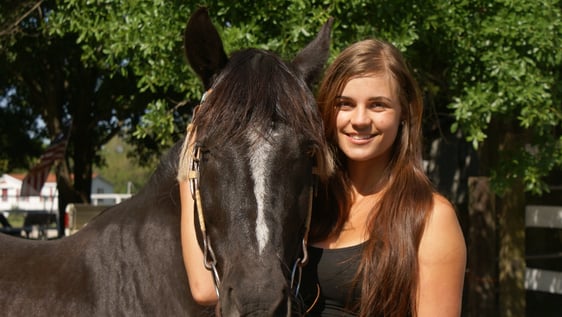
On rural ranches you can volunteer with horses — from feeding and fencing to pasture management (and sometimes riding). Perfect if you want a taste of Outback life.
🤿 How can I contribute to marine conservation?
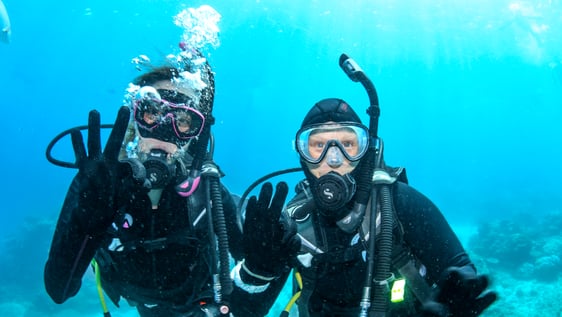
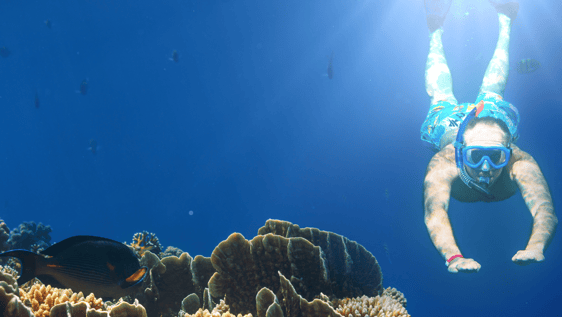
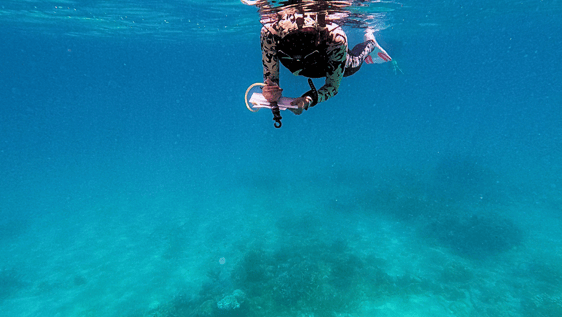
The Great Barrier Reef is world-famous — and Western Australia’s Ningaloo Reef is equally enchanting. You can help even without a dive certification: snorkel surveys, beach cleanups, and land-based data logging.
🐠 Protecting the Great Barrier Reef
- Reef transects & seagrass checks
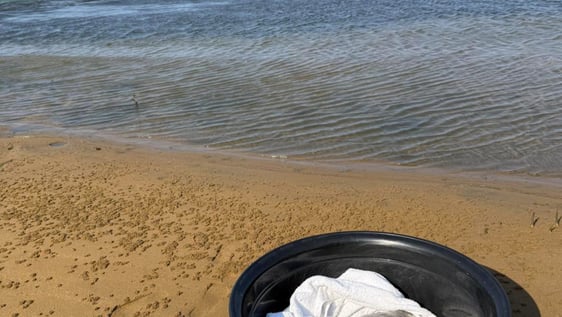
- Removing marine debris & mapping litter hotspots
- Observation/photo-ID (e.g., turtles, rays)
Certified divers can go deeper; beginners can often complete OWD/Advanced on site (project-dependent).
🐢 Sea turtles
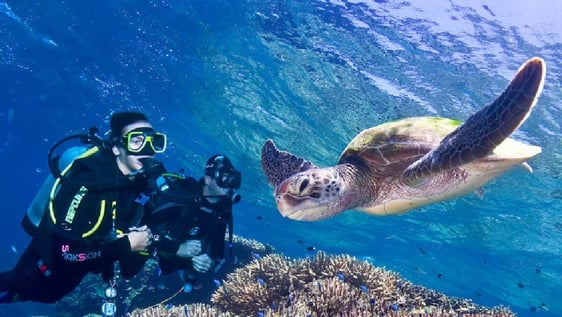
Sea turtles need support — from nest protection and patrols to rehabilitation. Common issues include vessel strikes, nets, and plastic.
🐬 Dolphins
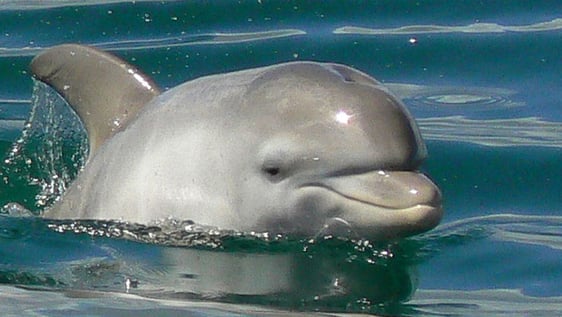
In dolphin projects you’ll observe behaviour, assist with photo-ID, and deliver visitor education — a blend of fieldwork and community engagement.
🌳 Environmental conservation & bushfire recovery
Environmental projects include reforestation, erosion control, invasive species management, trail work, and citizen science. In remote areas you’ll support ranger teams; in cities you can combine nature with urban life.
🔥 Bushfire recovery — rebuilding for the long term
The 2019–2020 bushfires were devastating. Projects still need help: planting seedlings, repairing wildlife fencing, mitigating erosion, and monitoring. Learn more: Australian bushfires.
🖤💛❤️ Respect on Country — Indigenous perspectives
Australia is home to Aboriginal Peoples and Torres Strait Islanders. Many places hold deep cultural meaning. Follow local protocols (ask guides/project leads), request permission before photos/quotes, and respect “No Access” areas. In community projects: listen, plan together, be transparent about goals and handover.
🧭 Ethics & safeguarding
- No “selfie zoo”: No touching/handling without explicit instruction. Animal welfare comes before content.
- Child safeguarding: Codes of conduct and supervision apply in education/community projects. Photos only with consent.
- Transparency: Align goals, tasks, data ownership, and handover up front — “do no harm” first.
🧼 Biosecurity & quarantine
- At entry: Strict rules on food/seeds/honey. Declare accurately — fines apply.
- In the field: Clean/disinfect footwear and gear between protected areas.
🦺 Safety: ocean, heat & distances
- Beach safety: Always swim between the red/yellow flags (Surf Life Saving). Don’t fight rip currents.
- Stinger season (tropics): Nov–May — use stinger suits/nets.
- Heat/fire: Watch Fire Danger Ratings & app alerts; know your evacuation route.
- Driving: Left-hand traffic; check distances/services; carry extra water.
🏡 Accommodation & meals — what to expect
- Volunteer houses/hostels: Shared or twin rooms, communal kitchen, variable Wi-Fi.
- Ranger/field camps: Simple, often off-grid (solar/water tanks), “Leave No Trace”.
- Meals: Self-catering or simple set meals; vegetarian/vegan usually possible (notify in advance).
🎒 Packing list — AU edition
- Travel/medical insurance, passport, payment cards; Type I adapter
- Reef-safe sunscreen, sun hat, quick-dry towels
- Personal medication, small first-aid kit
- Waterproof phone case, power bank, offline maps
By project type
| Type | Must-haves |
|---|---|
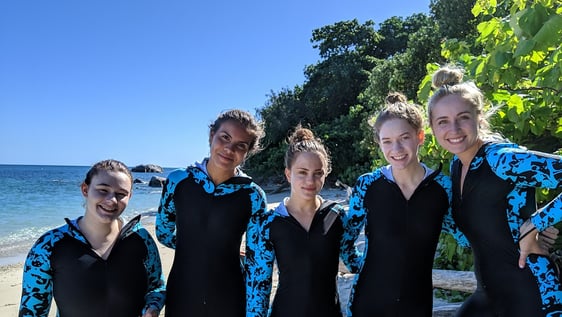
| Marine | Rash guard/lycra, stinger suit (tropics), snorkel mask, dry bag |
| Wildlife/Outback | Fly net, wide-brim hat, gaiters, electrolytes, headlamp |
| Temperate zones | Waterproof jacket, fleece, sturdy footwear |
Prep tech offline: emergency contacts, offline maps, work templates (data sheets), spare USB if needed.
🗓️ Sample week schedules (project-dependent)
Marine
- Mon–Fri: 2–3 water sessions (snorkel/dive), data logging & debrief
- 1× workshop (debris/reef-safe), 1× community event
- Sat/Sun: island trip/rest, optional cleanups
Wildlife
- Mon–Fri: care/feeding, enclosures, rehab support, short monitoring
- 1× training (hygiene/handling), 1× outreach
- Sat/Sun: nature walk/recovery
Environment
- Mon–Fri: planting, trail work, invasives, citizen science
- 1× data review, 1× safety refresh (heat/fire)
- Sat/Sun: national park excursion
🤑 Cost of living as a volunteer in Australia
Plan for USD 45–96 per day in personal expenses (excl. program fees). Add flights, insurance, visa, and weekend trips.


💸 Example weekly budget
- Groceries/mini trips: USD 210–420
- Public transport/transfers: USD 25–60 (city) / road-trip sharing varies
- Optional weekend activity: USD 60–180
Program fees typically cover accommodation/training — check project details.
🧮 Mini calculator (personal expenses only)
- 2 weeks: USD 630–1,344
- 4 weeks: USD 1,260–2,688
- 6 weeks: USD 1,890–4,032
- 12 weeks: USD 3,780–8,064
Plus: program fees, flights, insurance, visa. Longer stays often reduce the per-day program rate.
💳 Where program fees go
- Accommodation/meals, local logistics
- Local jobs: coordination, guides, trainers
- Training & safety, equipment maintenance
- Park permits & monitoring materials
Funding ideas: sponsor letters, peer-to-peer campaigns, matching gifts.
🌏 Where can I volunteer in Australia?
Locations depend on the project. Rescue centres and reserves exist across QLD, VIC, NSW, SA, and WA. For marine conservation, North Queensland (Great Barrier Reef) is ideal. If you want city + nature, look at projects in Sydney, Melbourne, or Brisbane.
💲 Are there free volunteer programs?
Most programs charge fees (accommodation, training, logistics). Use the budget filter to find options within your range; our chat team is happy to help.
💡 Know before you go
Entry/quarantine: Very strict rules. Do not bring fresh food, seeds/nuts, or undeclared animal products. Make sure footwear is free of soil/seeds.
🦺 Safety & precautions
- Travel insurance (consider dive/adventure add-on) covering your full stay
- Sun safety (shade, clothing, high SPF)
- Check local bushfire info; use warning apps
- Swim only in patrolled, flagged areas
Health tips
- No general mandatory vaccinations; discuss regional recommendations with your doctor.
- Avoid heat stress, hydrate well; carry electrolytes.
- Bring medications plus prescriptions (useful at customs).
Must-pack
- Travel/medical insurance
- Cash/debit/credit card
- Passport (valid for full stay)
- Type I adapters (consider more than one)
- Waterproof phone case
- Water shoes & reef-safe sunscreen
- Personal meds, first-aid kit
- Sun hat, quick-dry towels
🕵🏽♀️ Who can volunteer in Australia?
Typically the minimum age is 18; some projects accept younger volunteers (use filters). Many programs are outdoor-focused — solid fitness helps. Basic English is required; some projects request a police check and health clearance (state-based, e.g., Working With Children Check/Blue Card).
✅ Application checklist
- Passport (valid beyond your stay; spare pages)
- Police check / WWCC/Blue Card (by project/state)
- Health certificate / vaccination status (recommended)
- Proof of travel/medical insurance (consider dive/car-rental add-ons)
❓ How do I get started?
- Match your skills to project requirements
- Check location & season (visibility, migrations, weather)
- Contact the organisation — align expectations, duration (1–12+ weeks) & start dates
Health & travel insurance
Travel/medical insurance is strongly recommended and often required. Ask if your organisation has partner policies.
🛂 Visa — what applies?
Most nationalities need a visa before entering (exception: New Zealand citizens, visa on arrival). For unpaid volunteering, a visitor/tourist visa is often sufficient — always check the latest rules.
Short stays (up to ~3 months)
- eVisitor (Subclass 651): For many EU countries; multiple entries; up to 3 months per visit; not extendable.
- ETA (Subclass 601): For certain countries/regions; multiple entries; up to 3 months per visit; online fee applies.
Longer stays
Visitor (Subclass 600) for 3/6/12 months — suitable for extended stays/internships. Fees and conditions vary. Confirm with your organisation and the embassy/consulate.
Note: This is not legal advice. Visa rules change — always verify current requirements and confirm with your organisation.
📈 Impact & handover — making your contribution last
- 6–12 weeks = stronger impact: consistent datasets, learner progress, planting cycles.
- Track outputs: hours, transects, releases, seedlings planted.
- Handover docs: short logs, data sheets, how-tos — pass to local leads.
🏝️ Weekend ideas by region
- Tropical east coast: Rainforest & waterfalls, snorkel day trips, cableways/boardwalks.
- NSW/VIC: Coastal hikes, lighthouses, penguin parade (no flash, dim light).
- WA: Dunes, gorges, starry skies — plan for distances.
- TAS: National parks, alpine lakes, farm-to-table food.
Travel as low-impact as possible: public transport, car-sharing, and local providers.
🧑🤝🧑 Volunteer voices
“The tropical east coast was perfect: snorkel transects first, then my OWD. We collected turtle photo-IDs — amazing team spirit.”
“At the wombat rescue I learned what patience really means. No selfies — but real rehab work.”
✨ TL;DR — Australia in 5 points
- Top themes: Wildlife (koala/kangaroo/wombat), marine (GBR/Ningaloo), environmental conservation, ranch/outback
- Best times: Tropics May–Oct (visibility), turtles Oct–Mar, temperate Sep–May
- Budget: USD 45–96/day (plus program/flight/visa)
- Visa: eVisitor/ETA (short), Visitor 600 (long) — always check current rules
- Impact: 6–12 weeks = more consistent results & better handover
❓FAQ — Volunteering in Australia
Can I help at the Great Barrier Reef without a dive certification?
Yes. Many projects offer snorkel surveys, beach cleanups, and land-based data logging. You can often complete OWD/Advanced locally depending on the project.
How realistic is hands-on work with koalas and other wildlife?
Very — with strict ethics: no handling without instruction, clear hygiene and distance rules. Most tasks involve feeding, care, cleaning, and monitoring.
Ningaloo Reef vs Great Barrier Reef — which suits me?
GBR (tropical east coast) excels in infrastructure and training; Ningaloo (WA) in whale shark/whale seasons and wide open spaces. Choose by season, travel logistics, and tasks.
Is swimming/surfing safe — what should I know?
Swim only between the red/yellow flags. Watch rip currents and follow lifeguards. In the tropics, use stinger suits (Nov–May).
What checks/documents might I need (e.g., Working With Children Check)?
Project and state dependent (e.g., Blue Card in QLD). Common: police check, health clearance, proof of insurance. Your organisation will brief you.
How long should I stay — 2, 4, 6 or 12 weeks?
2–4 weeks provide a good taste. From 6–12 weeks you build continuity — ideal for education, rehab, and consistent datasets.
Roughly how much does volunteering in Australia cost?
Budget USD 45–96/day for personal expenses. Add program fees, flights, insurance, and visa.
Which visa do I need as a volunteer?
Short stays: eVisitor (EU) or ETA (eligible countries). Longer stays: Visitor (Subclass 600). Always verify the latest rules.
Can I join the same project with a friend?
Often yes — mention it in your application. Tasks may be split for impact; shared accommodation is frequently possible.
Can my placement count as an internship/credits?
Depends on your institution. Many organisations issue time & task certificates — align learning goals in advance.